
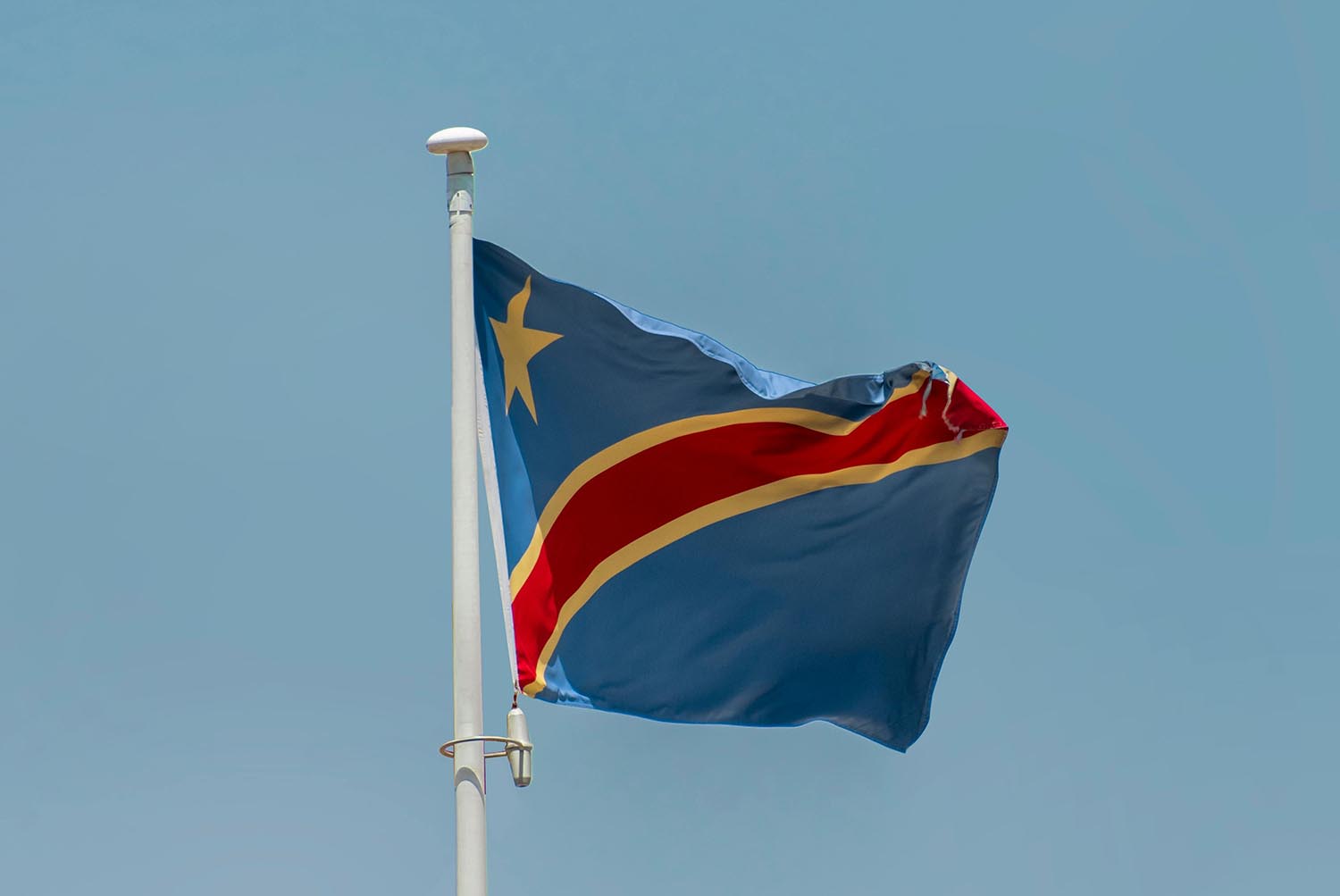
Glencore has declared force majeure on certain cobalt supply contracts from the Democratic Republic of Congo, following a government-imposed suspension of cobalt exports, three sources familiar with the matter told Reuters.
The export ban, which began in February and is scheduled to run for four months, was introduced by the Congolese government to ease a global oversupply that had driven cobalt prices to a nine-year low and impacted the country’s tax revenues. Congo is the world’s largest cobalt producer, accounting for roughly 78% of global output in 2023.
As a result of the suspension, Glencore, which is listed in London and is the second-largest cobalt producer globally, invoked the force majeure clause on some of its cobalt delivery agreements. The clause allows companies to suspend contractual obligations due to extraordinary circumstances. Despite the declaration, a Glencore spokesperson said on Wednesday that all customers are still receiving deliveries under the terms of their contracts.
Glencore mined 35,100 metric tons of cobalt in concentrate and hydroxide from its operations in Congo last year. Cobalt, a byproduct of copper mining, is primarily used in battery chemicals for electric vehicles and electronics, although some is also used in aerospace and defense applications.
Cobalt prices, which had dropped to around $10 per pound ($22,000 per ton) earlier this year, have rebounded by roughly 35% following the Congolese export ban and a similar force majeure declaration by Eurasian Resources Group in March. As of Wednesday, prices stood at $15.80 per pound ($34,832 per ton). The Congolese government has yet to announce whether the suspension will be extended beyond its scheduled end date of June 22 or if it will implement a quota-based system.