


Germany will implement a new regulation, the Road Traffic Remote Control Ordinance (StVFernLV), on December 1, 2025, establishing the first legal basis for testing remote-controlled motor vehicles on public roads. The regulation was introduced by the Federal Ministry of Transport as part of broader efforts to support the integration of autonomous technologies and modern mobility concepts.
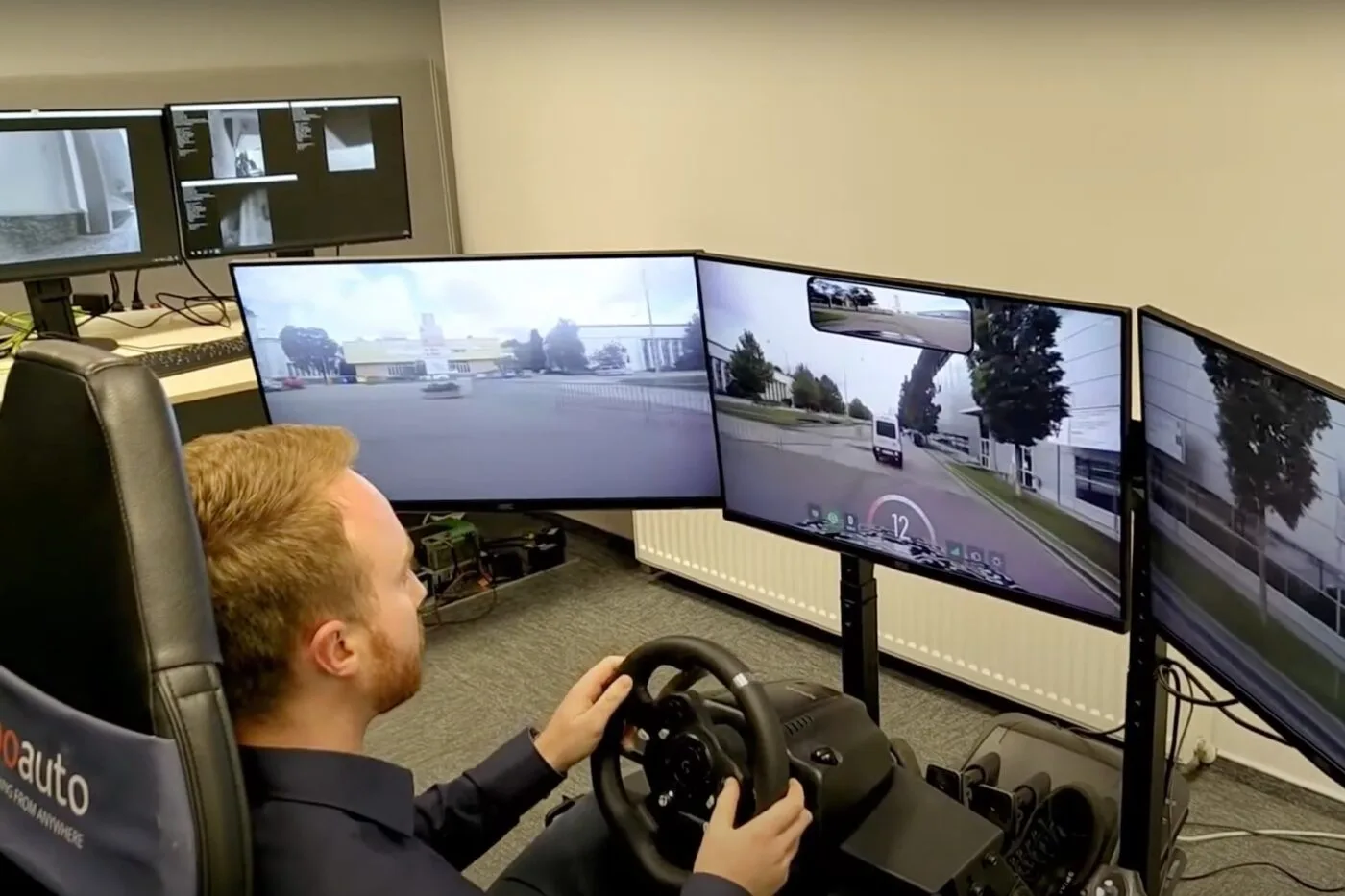
The ordinance enables remote steering of motor vehicles, a capability expected to assist autonomous vehicles in handling complex traffic scenarios by allowing remote human intervention when necessary. This approach is anticipated to enhance safety and flexibility in the deployment of self-driving systems.
The regulation identifies potential applications in car-sharing, taxi services, and municipal operations. In car-sharing, for example, vehicles could be remotely driven to the next user, minimizing idle time. Similar strategies may be applied to public transportation and delivery fleets, offering opportunities to expand service availability and optimize logistics workflows.
In addition to passenger transport, the ordinance is expected to support innovation in freight and goods transport. Projects like ATLAS-L4, which explore remote control for autonomous trucks, highlight the relevance of centralized supervision and control in advancing logistics efficiency.
Germany’s move follows a 2021 national law that allowed autonomous driving on defined routes under technical supervision. The new ordinance is seen as a complementary step to facilitate real-world testing of remote vehicle control and lays the groundwork for future regulation beyond the initial five-year trial period.
Source: bmv.de