


Tesla has received approval to operate fully autonomous robotaxis in Nevada for the first time, with the initial deployment restricted to 10 vehicles in a defined area of Las Vegas.
The approval, granted by Nevada regulators on July 27, comes with several operating conditions. The vehicles must remain within a regulator-approved geofenced area, are limited to 45 mph and must have an appropriate human supervisor present. Airport service is also excluded from the approval.
Nevada Limits Initial Robotaxi Deployment
Tesla’s approved operating area is restricted to a defined section of the Las Vegas Strip. The company had reportedly applied to operate as many as 5,000 vehicles across Clark County during the first 12 months, but the approval allows only 10 fully autonomous vehicles.
The vehicles must operate at speeds of no more than 45 mph, or approximately 72 km/h. A human supervisor must also be present during operations.
The approval does not allow Tesla’s robotaxis to serve Harry Reid International Airport. The airport had reportedly been included in Tesla’s original application, along with Henderson Executive Airport.
Any increase in the fleet beyond 10 vehicles would require additional regulatory approval.
Tesla’s Robotaxi Service Remains Limited
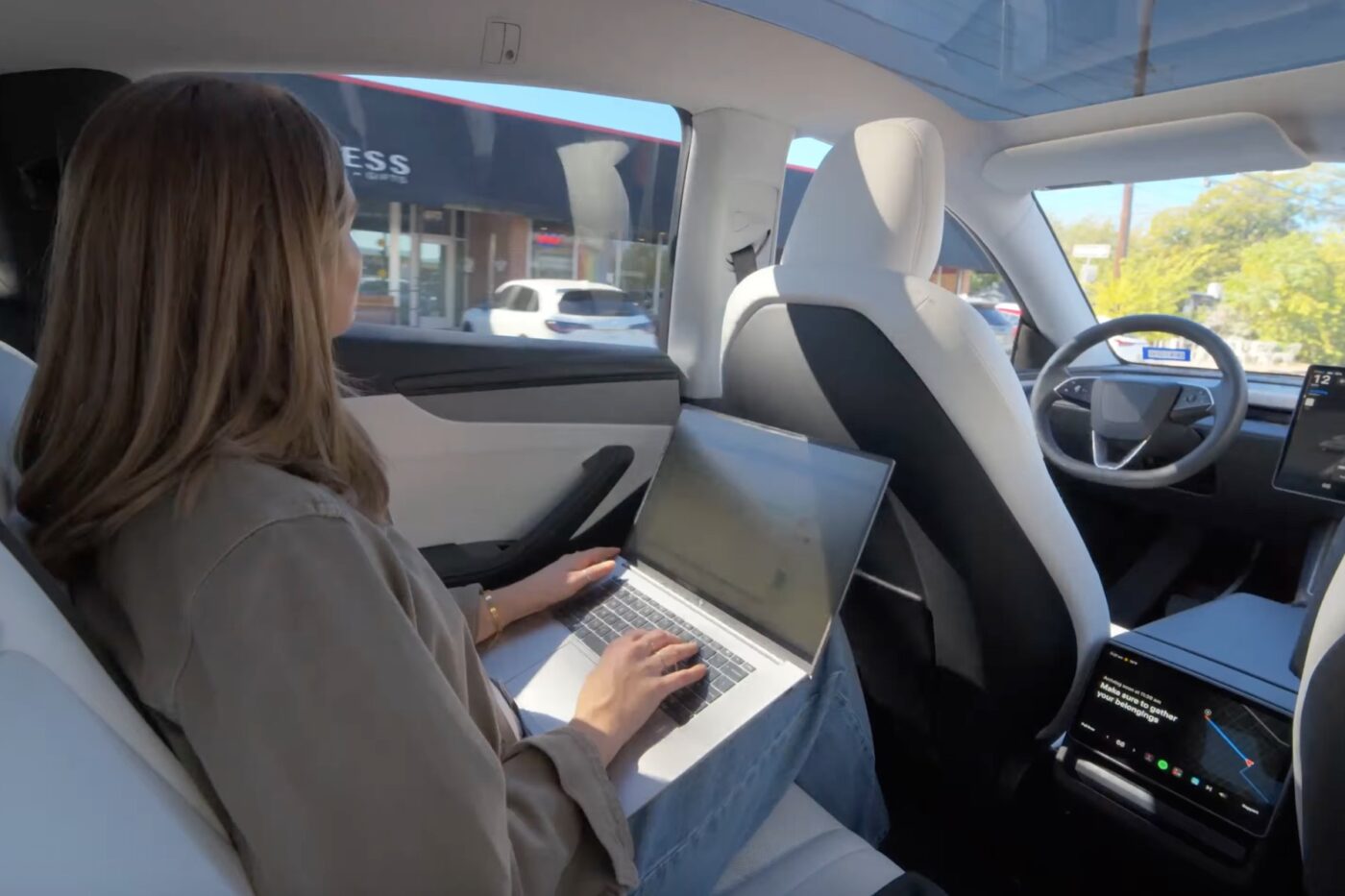
Tesla began operating its robotaxi service in Austin in mid-2025 with an initial fleet of around 25 vehicles.
The service initially used a safety driver positioned in the front passenger seat who could intervene through a display in an emergency. In January 2026, Tesla moved the safety monitor role to a separate follow vehicle.
Tesla also operates a Robotaxi service in San Francisco, although vehicles there continue to have a driver behind the wheel because the company does not currently have regulatory approval to operate fully autonomous vehicles in California.
In April, Tesla announced plans to expand the service to Dallas and Houston. The operating areas in those cities are expected to remain limited, and the number of vehicles already deployed there has not been disclosed.
Nevada Approval Expands Fully Autonomous Fleet
Tesla’s Las Vegas deployment would increase the number of fully autonomous robotaxis operating in the United States.
According to Electrek, Tesla’s fully autonomous robotaxi fleet currently consists of about 20 vehicles operating at the same time. The number in Austin reportedly reached nearly 25 at the end of April before declining.
The Nevada approval therefore provides Tesla with another location for fully autonomous commercial operations, although the initial fleet is small.
Tesla Had Sought Larger Nevada Fleet
Tesla Robotaxi LLC reportedly submitted an application to Nevada’s transportation authority in early June seeking approval for up to 5,000 vehicles during the first year across Clark County.
The application reportedly included Harry Reid International Airport and Henderson Executive Airport as potential pickup locations.
The final approval is substantially narrower, allowing only 10 vehicles within a regulator-approved geofence, subject to the 45 mph speed limit and the prohibition on airport service.
The restriction also means Tesla would need another regulatory approval before increasing the fleet beyond the initial 10 vehicles.
Software Capability Remains a Key Factor
The difference between Tesla’s requested fleet size and the approved deployment highlights the limited scale of the company’s current fully autonomous operations.
While the Nevada approval establishes a regulatory path for Tesla to operate driverless vehicles in another U.S. market, the initial deployment remains small compared with the company’s reported application for 5,000 vehicles.
Tesla’s ability to expand the service will depend on both regulatory approvals and its capacity to deploy autonomous vehicles that meet the applicable operating requirements.


