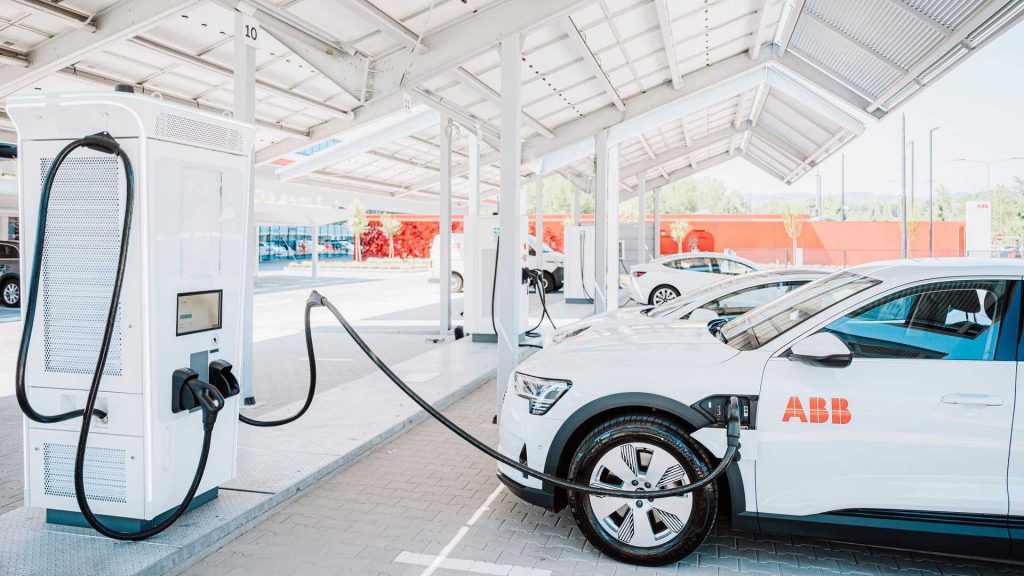



Germany has approved its new Charging Infrastructure Master Plan 2030, a strategic framework outlining 41 measures designed to accelerate the nationwide build-out of electric vehicle charging systems.
Federal Transport Minister Patrick Schnieder introduced the document at the government’s charging infrastructure conference, saying the programme aims to make “charging as natural as refuelling.” The plan was cleared by the Federal Cabinet this week and presented publicly at the LISKON conference in Berlin.
The plan focuses on strengthening investment conditions, simplifying approval procedures and improving integration of charging networks into the national power grid. Measures include promoting price transparency, increasing competition among charging operators and supporting technologies such as bidirectional charging.
The framework also reaffirms existing national goals, such as establishing 350 high-power charging parks for electric trucks across motorway service areas. Berlin aims to support both private and commercial users, but many of the measures will depend on budget availability in 2026.
New subsidy programmes for multi-unit housing, commercial depots and fleet operators remain central to the strategy, with detailed guidelines expected in 2026. The ministry said the funding will consider the cost of upgrading grid connections and electrical installations.
Other low-cost measures include seeking clarification at EU level to allow third-party use of subsidised non-public charging points, which are currently restricted to the applicant. At the same time, the government plans to reduce administrative burdens by exploring automated reporting of charging station data to the Federal Network Agency.
Schnieder said the measures are intended to meet the practical needs of both consumers and businesses. Early sites for e-truck charging along motorways are expected to open next year, pending legal rulings affecting some locations.
The National Centre for Charging Infrastructure is also rolling out updated model tenders for municipalities and launching a new monitoring dashboard to support expansion efforts. Officials say grid connections remain one of the largest obstacles for charging projects, and the ministry plans to improve digital processes and increase transparency around available grid capacity.
Source: Electrive