



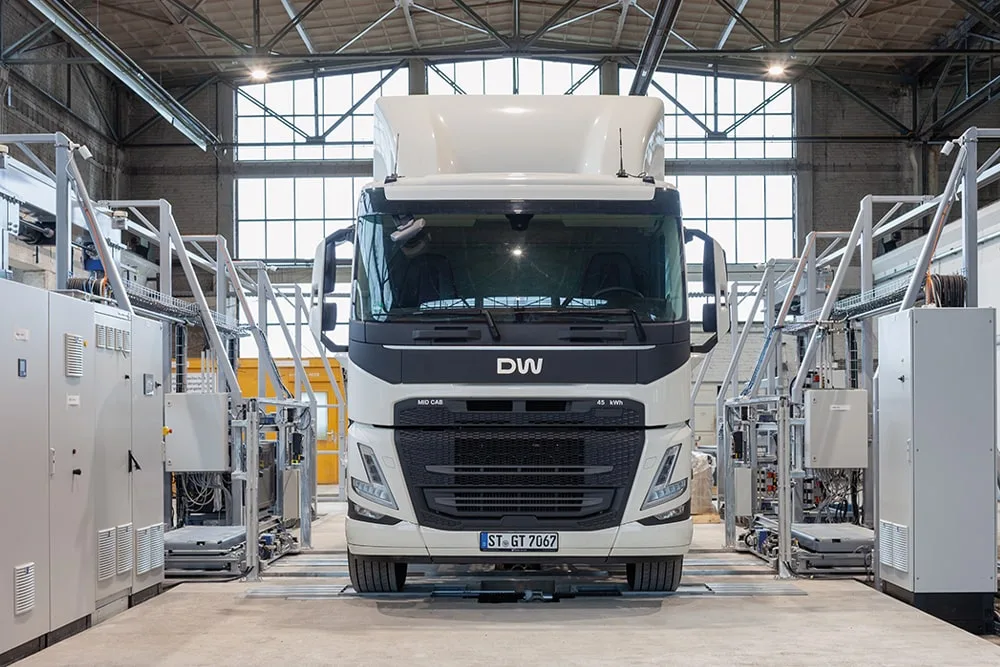
A German government-funded project testing automated battery swapping for electric trucks has completed a two-year real-world trial, with partners now moving to commercialise the technology and develop a second-generation system, project leaders said.
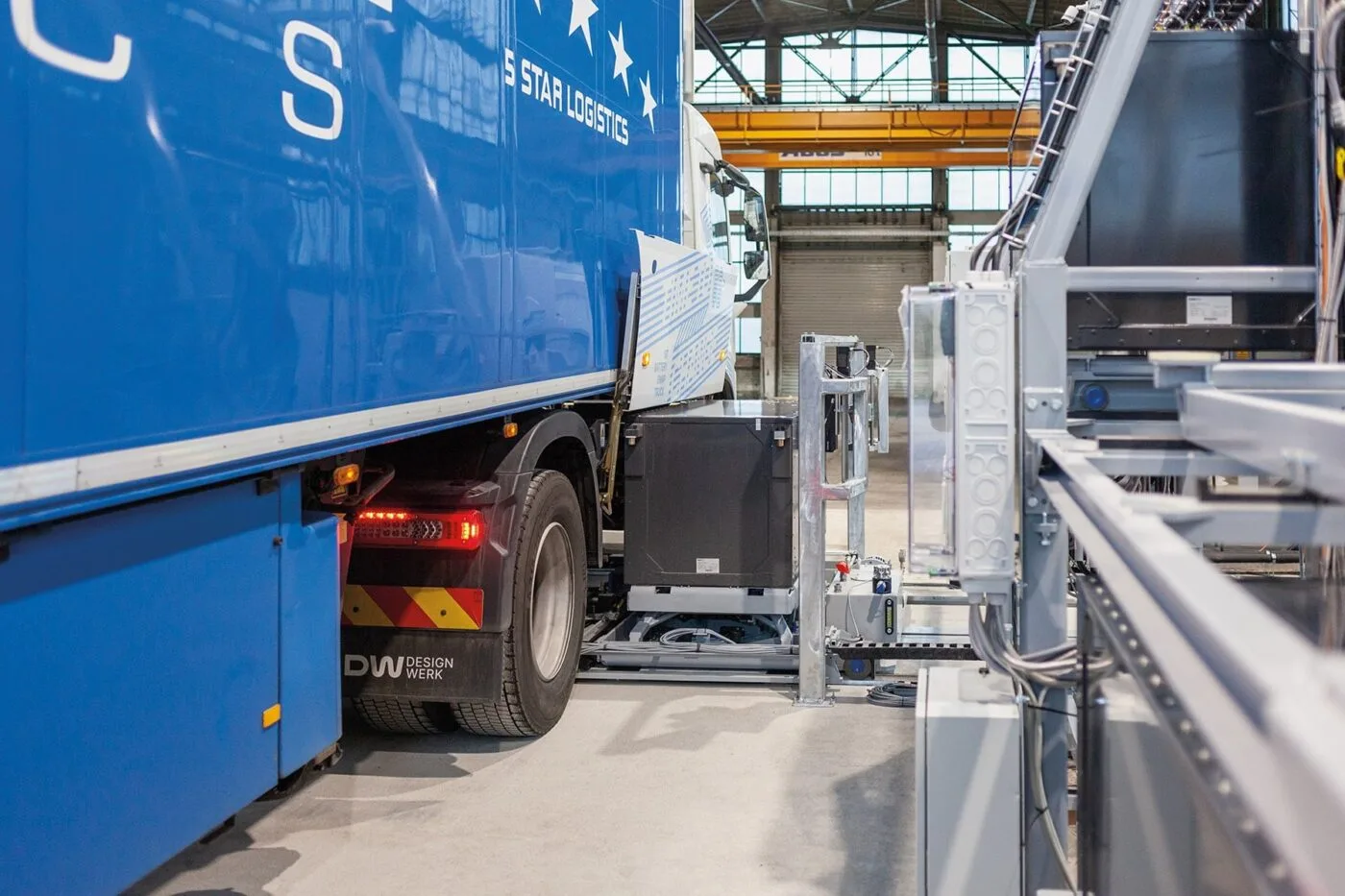
The eHaul project, led by TU Berlin, has been developing an automated battery swap station for heavy-duty trucks since 2020. After an initial development phase, the consortium operated a pilot station in Lübbenau, Brandenburg, which TU Berlin describes as Europe’s first automated battery swap facility for electric trucks approved for public-road use.

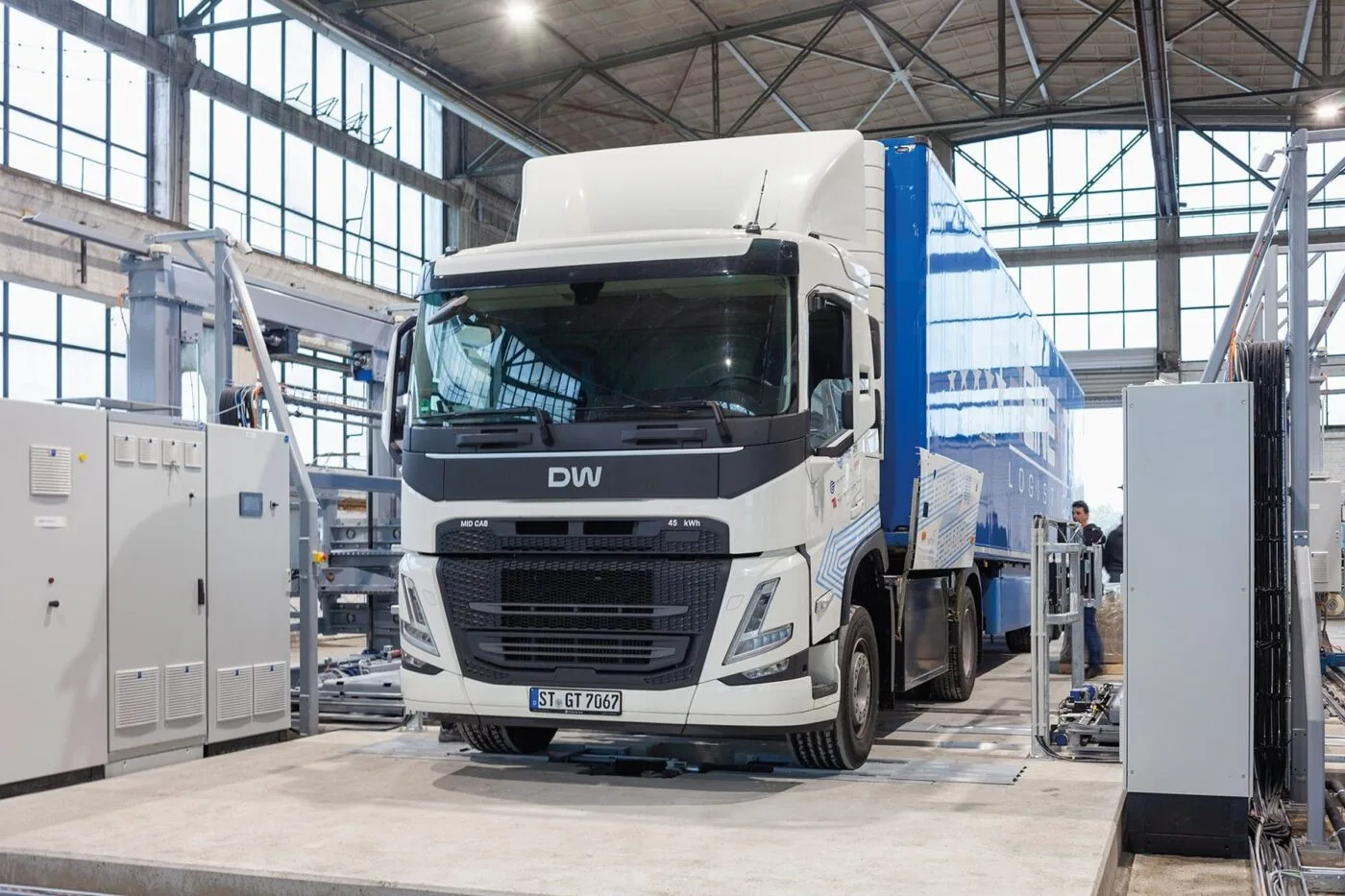
Project partners said the trial confirmed that battery swapping using standardised packs could serve as a complementary solution to high-power charging, particularly for long-haul freight. The approach could help accelerate the adoption of electric heavy goods vehicles if stations are located at motorways and logistics hubs and supported by common technical standards.
“The fully automated swap of batteries in heavy-duty electric commercial vehicles approved for use in Europe is possible within a few minutes under real-world conditions,” said Stefanie Marker. “This makes battery swapping a relevant complement to fast charging, which takes significantly longer for trucks and requires very high charging capacities.”
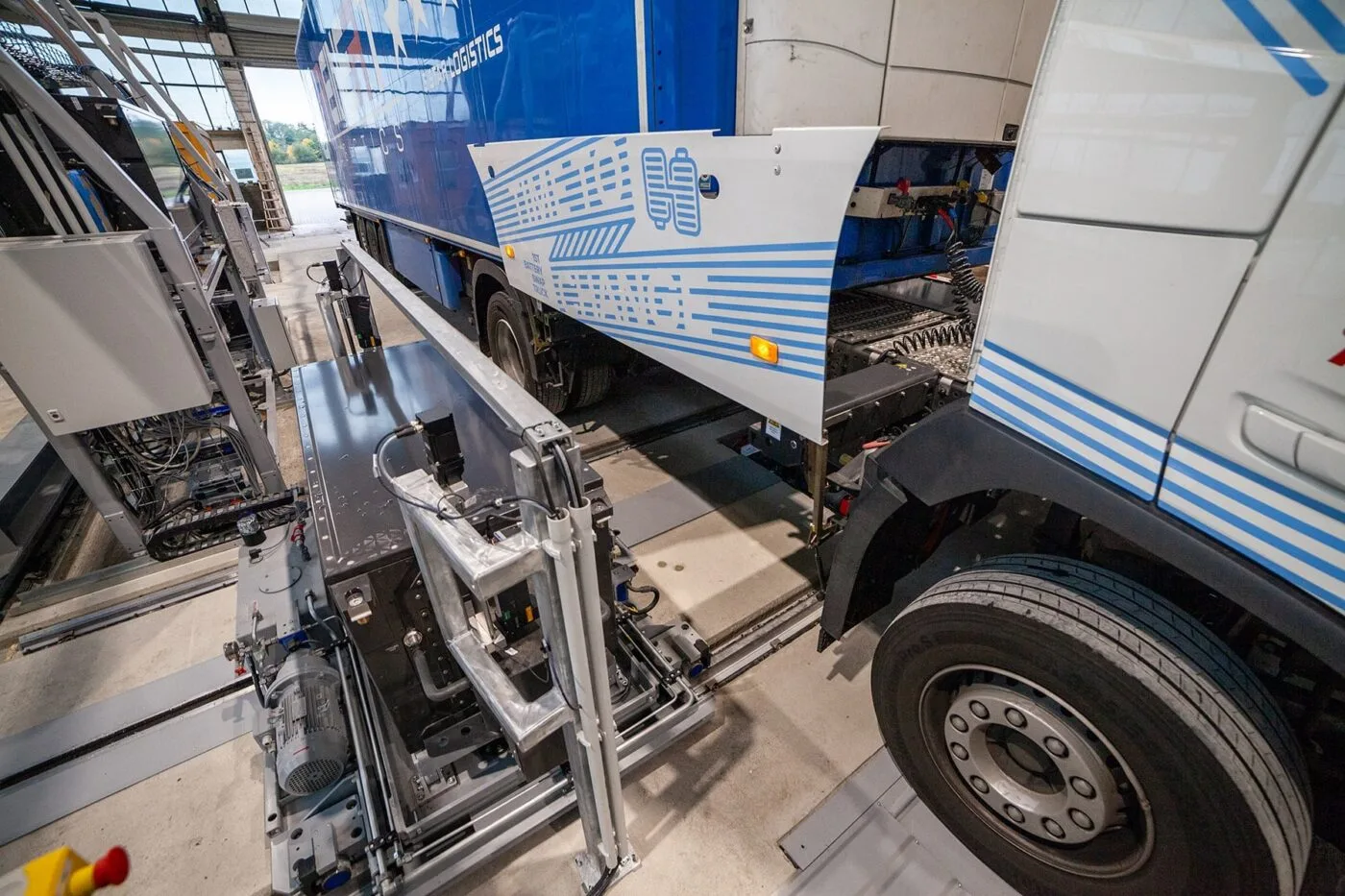
The project, originally planned to run for three years, was extended to five years due to delays linked to the COVID-19 pandemic, supply-chain disruptions and the energy crisis. Practical operations began in late 2023, with two retrofitted electric trucks operating between Berlin and Dresden. Each swap took around 10 minutes, during which robotic systems removed depleted battery packs and replaced them with fully charged units without manual intervention.
According to TU Berlin, the test phase yielded insights that are now feeding into follow-up initiatives. One of these, UniSwapHD, is focused on standardisation and has initiated a German DIN specification process aimed at creating a common framework for truck battery swapping. The draft specification, DIN SPEC 91533, is expected to be published in early 2026, project leaders said.
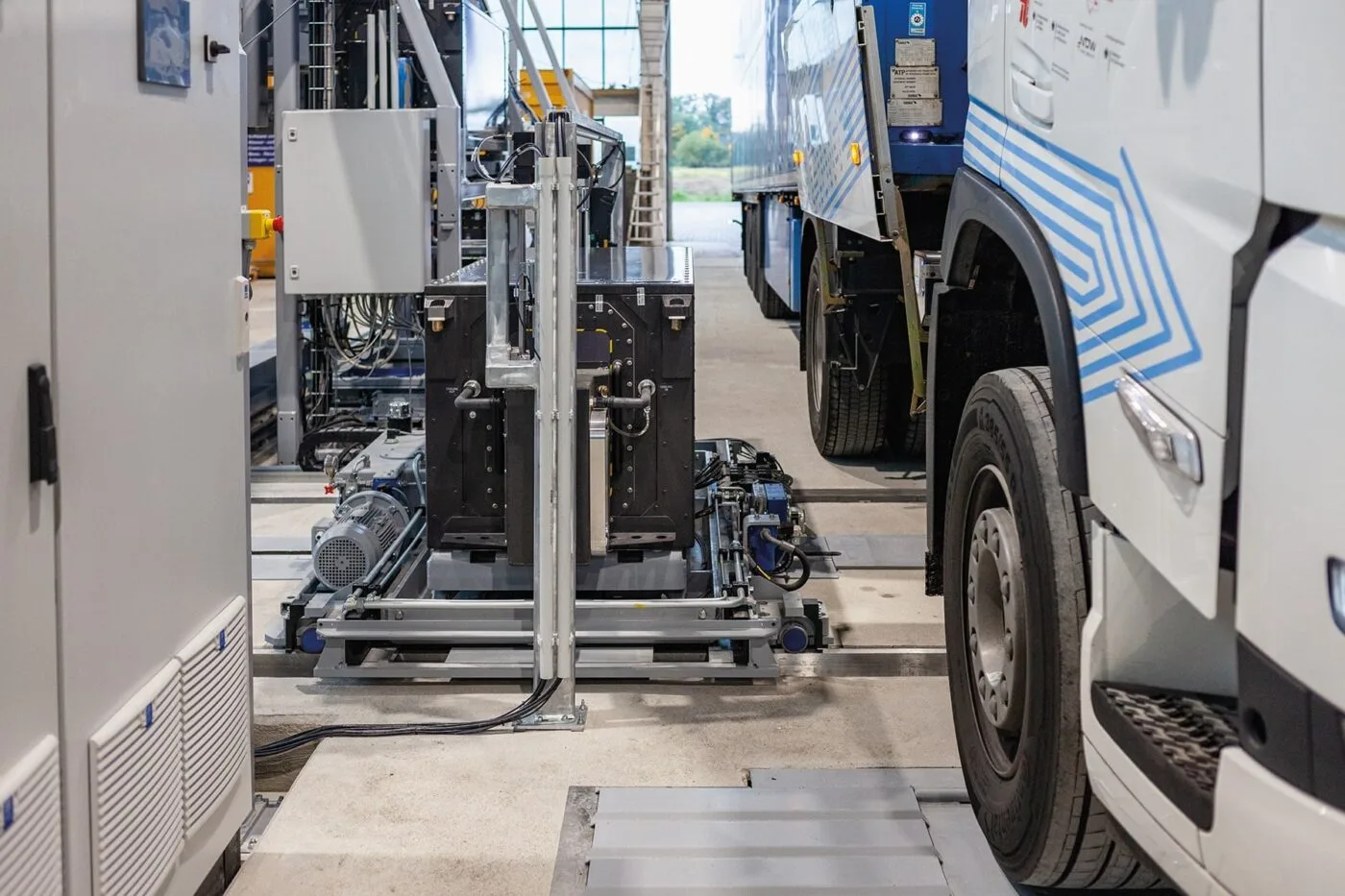
In parallel, TU Berlin and logistics partners Unitax Pharmalogistik and Reinert Logistic have established E·HAUL GmbH, a spin-off intended to commercialise the technology. The company plans to present a redesigned swap station in 2026 that replaces batteries from below rather than from the side, a change expected to improve speed, reliability and vehicle compatibility.
“With a more refined automation concept, we believe the swap process can be reduced from around 10 minutes to under five,” Marker said, adding that drivers could remain seated during the process.
The eHaul project received about €5 million in funding from the Federal Ministry for Economic Affairs and Climate Action. E·HAUL GmbH said it is preparing a first funding round in 2026 to support the rollout of a limited network of swap stations, though the economic viability of the model has yet to be demonstrated at scale.
Project leaders said standardisation will be critical if battery swapping is to gain traction in Europe. Jens Jerratsch, who also leads the UniSwapHD project, pointed to China, where battery swapping has already been adopted widely for electric trucks, as evidence of the technology’s potential under the right market conditions.

“Such standardisation processes are crucial for German and European industry,” Jerratsch said, noting that heavy-duty trucks account for a disproportionate share of transport emissions. Marker added that battery swapping could help deploy climate-friendly trucks more quickly, provided Europe develops the technology on its own terms.


