


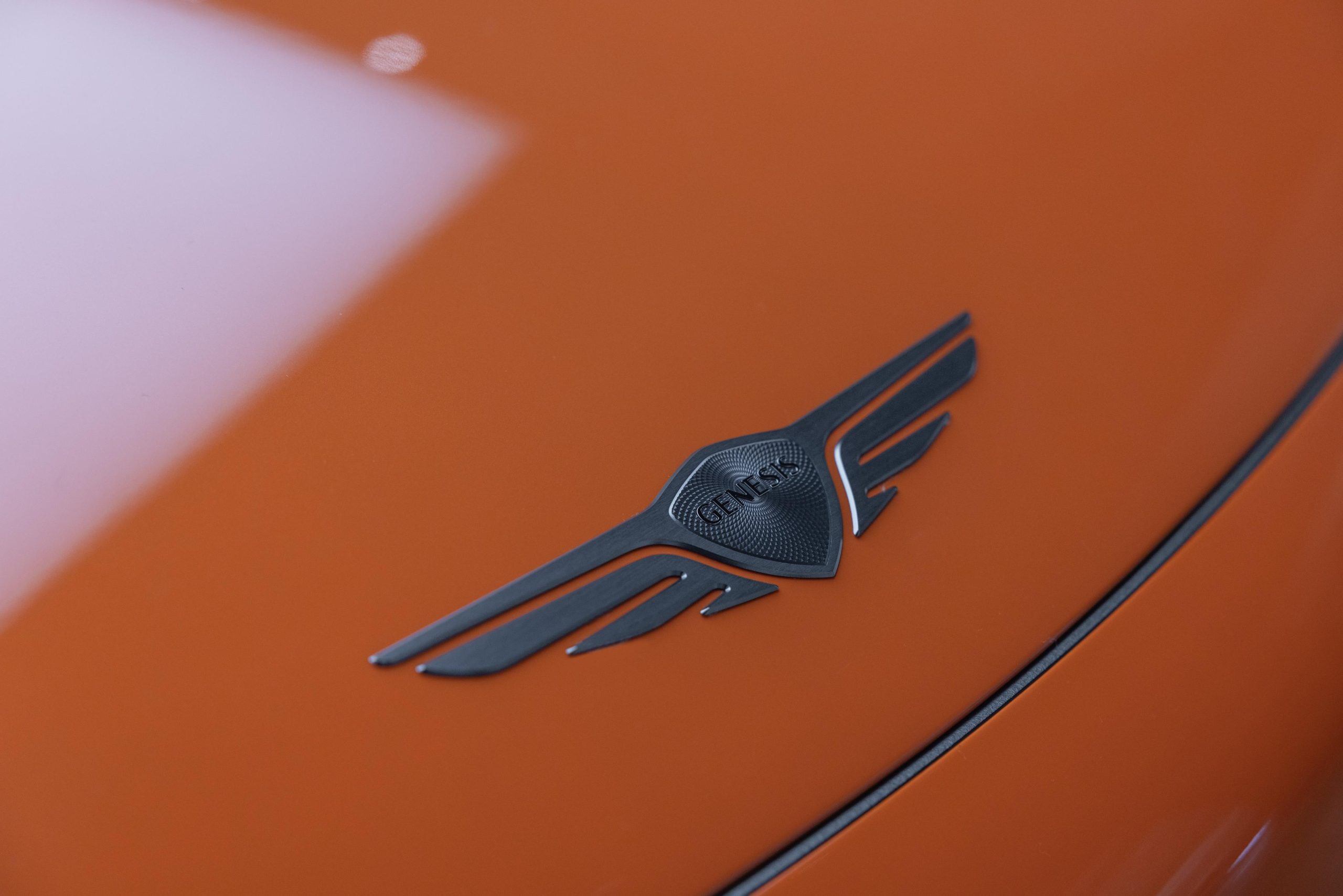
Genesis is developing its own dedicated vehicle platform for future electric and hybrid models, a senior executive said, as the premium marque seeks greater technical and dynamic separation from its parent group’s mass-market brands.
The new platform is expected to debut in a Genesis model as early as 2027, according to Autocar, which cited comments from Peter Kronschnabl, who has led the brand’s European operations since last year. The initiative is intended to reinforce Genesis’s positioning as an independent premium brand within the Hyundai Motor Group.
See also: Genesis Expands European Footprint With Entry Into Italy Using Three Electric Models
“Genesis is a brand of the Hyundai Motor Group, and within that has certain specifics as a brand, be it on the drivetrain, the chassis set-up, interior packaging or other core attributes,” Kronschnabl told Autocar. “And therefore, it was decided that in order to fulfil the requirements of the brand’s driving dynamics, Genesis needs its own platform for the future models.”
Until now, Genesis has largely relied on group architectures to achieve economies of scale, including the E-GMP electric platform — used by the Genesis GV60 — and the M3 architecture underpinning larger Genesis models with combustion and battery-electric powertrains. The forthcoming Genesis GV90 luxury SUV is expected to use the eM platform, an evolution of E-GMP, continuing that shared-technology approach.
See also: Genesis Delays GV90 Electric Flagship to Second Half of 2026 – Report
The bespoke Genesis platform, however, is intended to differ fundamentally from these group architectures. While Genesis has confirmed the platform will support both battery-electric vehicles and hybrids, it has not disclosed whether the development prioritises electric or hybrid drivetrains, nor how much component sharing with Hyundai and Kia will continue.
Genesis faces a longstanding challenge common to premium sub-brands: balancing shared technology with the need to justify higher pricing against volume brands. Although Hyundai and Kia models are widely regarded for their engineering quality, Genesis competes globally with established premium marques such as Audi, Mercedes-Benz and BMW, where differentiation in driving dynamics, packaging and perceived exclusivity is critical.
See also: Genesis Reveals Price, Performance Details for GV60 Magma EV
Kronschnabl said the new platform is designed to ensure Genesis models deliver a driving experience “that is at once in line with the brand’s premium positioning and obviously distinct from its Hyundai and Kia siblings.”
It remains unclear how far Genesis will go in developing bespoke electric drivetrains, or whether it will continue to draw on the group’s existing components. Even with some shared hardware, a dedicated platform would allow greater freedom in areas such as suspension design, vehicle proportions and interior layout.
See also: Genesis Off-Road Electric SUV Spotted Testing, Differs From Concept Design
The announcement comes despite Genesis’s relatively small presence in Europe, where the brand sold fewer than 2,500 vehicles last year out of global sales of around 220,000 units. Industry analysts say the investment is more likely aimed at higher-volume and higher-margin markets in Asia and North America, where Genesis has greater growth ambitions.
Genesis was launched as a standalone brand after originating from the Hyundai Genesis sedan and has pursued an upmarket strategy in recent years. While it initially set out to become an all-electric brand, the company later adjusted that plan in response to global market conditions. It has also introduced the Genesis Magma performance sub-brand, positioning it as a sportier counterpart to offerings such as Mercedes-AMG and BMW M.