



General Motors raised its full-year profit forecast and lowered its expected tariff impact after posting stronger-than-expected results for the third quarter, as the automaker adapts to shifting demand in the electric vehicle (EV) market and easing trade pressures.
The Detroit-based company now expects annual adjusted core profit of between $12 billion and $13 billion, compared with its earlier estimate of $10 billion to $12.5 billion. GM also said it anticipates tariffs will reduce its bottom line by $3.5 billion to $4.5 billion, less than the previously projected $4 billion to $5 billion.
See also: General Motors to Take $1.6 Billion Charge as U.S. EV Demand Slows After Tax Credit Ends

For the third quarter ended September, GM reported adjusted earnings per share of $2.80, exceeding analysts’ estimates of $2.31, according to LSEG data. Revenue slipped slightly from a year earlier to $48.6 billion.
The automaker recorded a $1.6 billion charge earlier this month tied to changes in its EV strategy, as well as the expiration of the $7,500 federal tax credit for battery-powered models at the end of September. The company also noted that easing emissions regulations have reshaped its near-term electrification roadmap.
See also: General Motors Q3 EV Sales Jump to 66,501, More Than Doubling Year-to-Date Deliveries

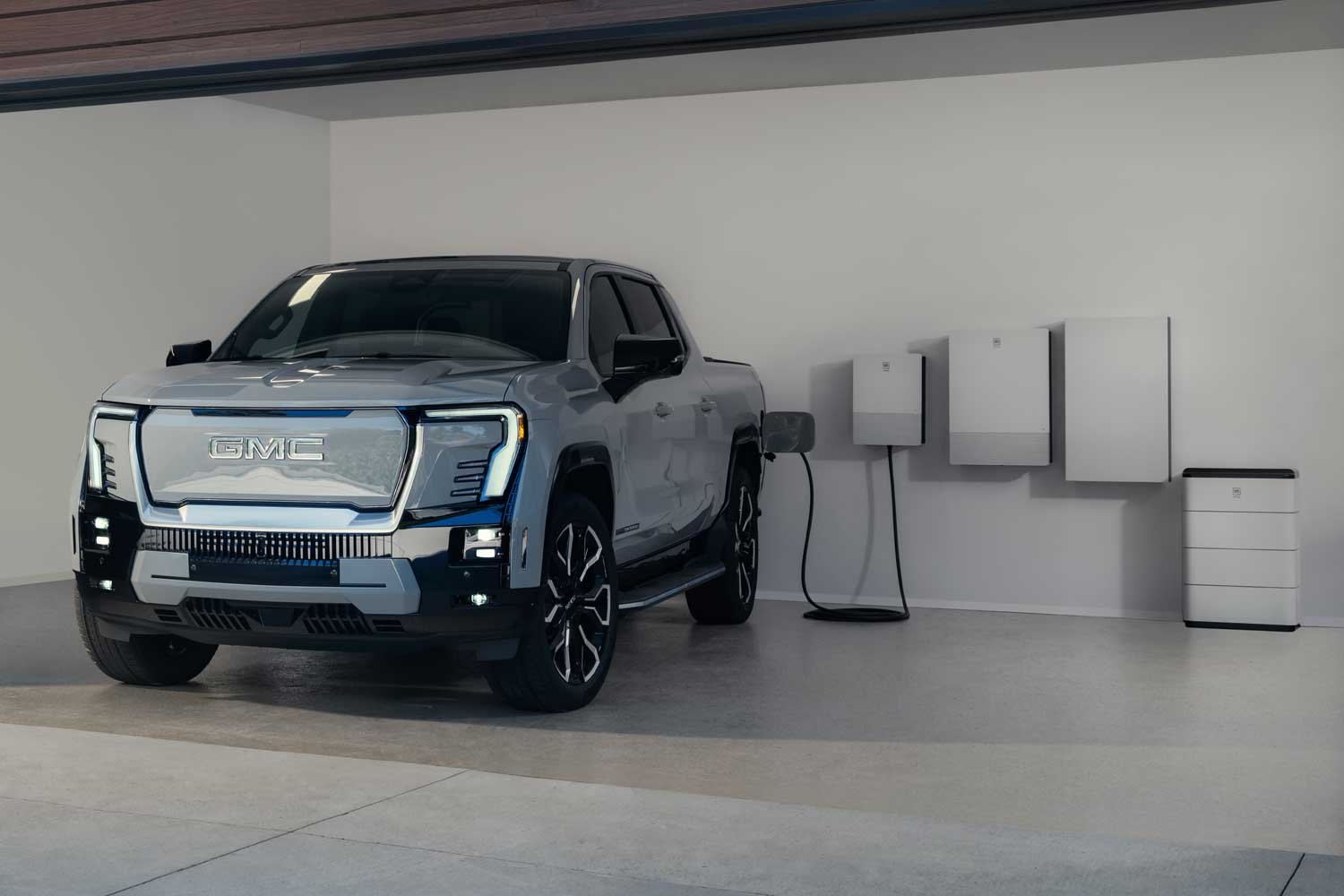
In a letter to shareholders, Chief Executive Mary Barra said GM continues to take decisive steps to address overcapacity and improve profitability in its EV division. “By acting swiftly and decisively to address overcapacity, we expect to reduce EV losses in 2026 and beyond,” she said.
EV sales rose across the industry and for GM in the third quarter as buyers sought to benefit from available tax credits. However, electric models still accounted for less than 10% of GM’s total sales. The automaker recently scrapped a plan that would have allowed dealers to continue applying tax credits to EV leases after lawmakers, including Republican Senator Bernie Moreno of Ohio, raised objections.
See also: General Motors Signs Multi-Year Deal With Noveon for U.S.-Made Rare Earth Magnets

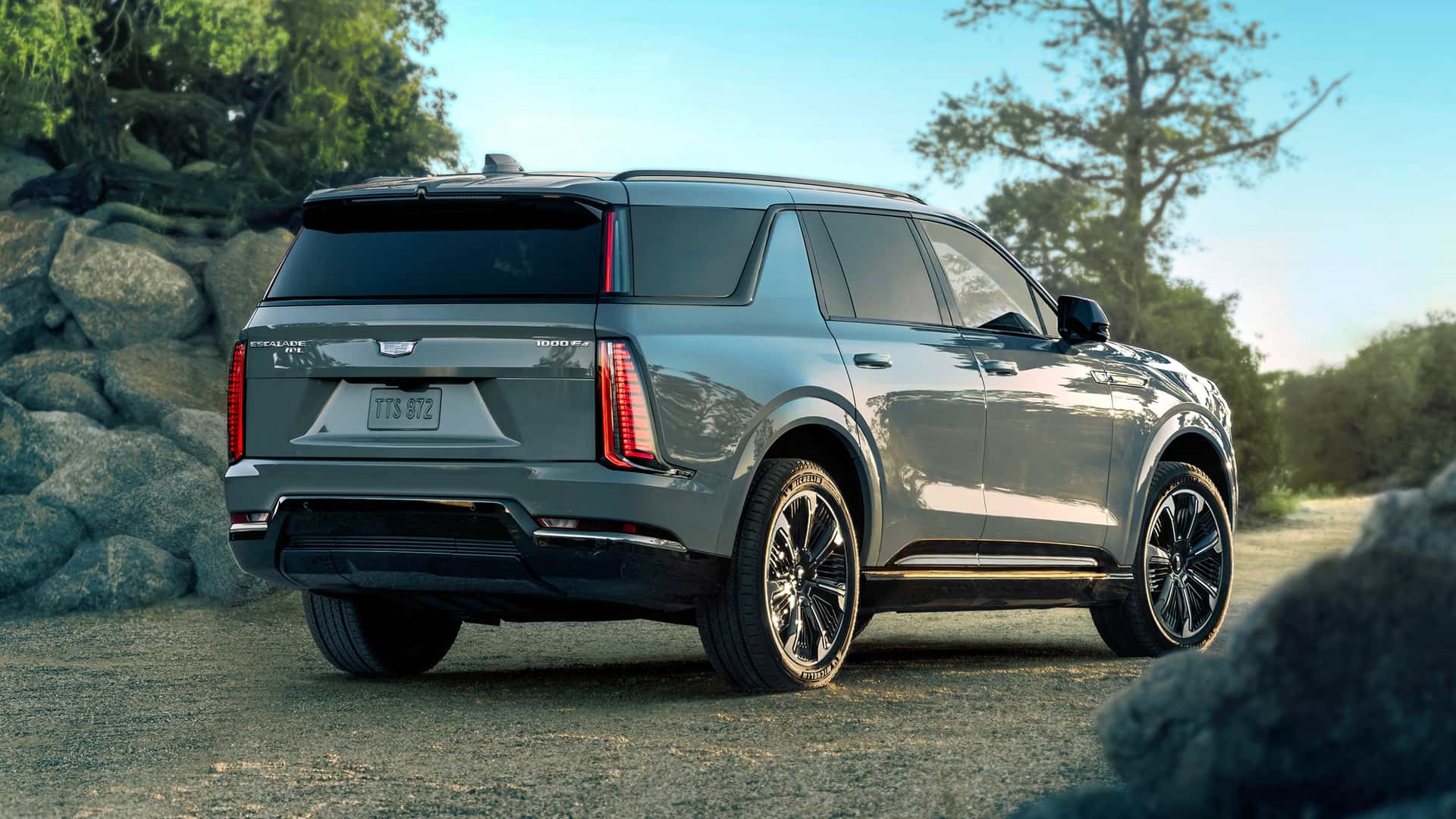
Rival Ford Motor also withdrew a similar leasing initiative, while Hyundai and Stellantis have opted to keep incentives in place to make EVs more affordable.
GM announced in 2021 that it aimed to transition to an all-electric lineup by 2035, though Barra has since shifted to a more flexible stance, saying that future product decisions will be driven by customer demand rather than fixed timelines.
General Motors Reaches 500,000 Vehicles Equipped with Super Cruise Hands-Free System


