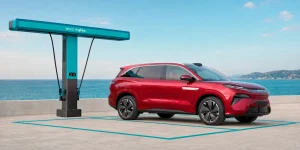




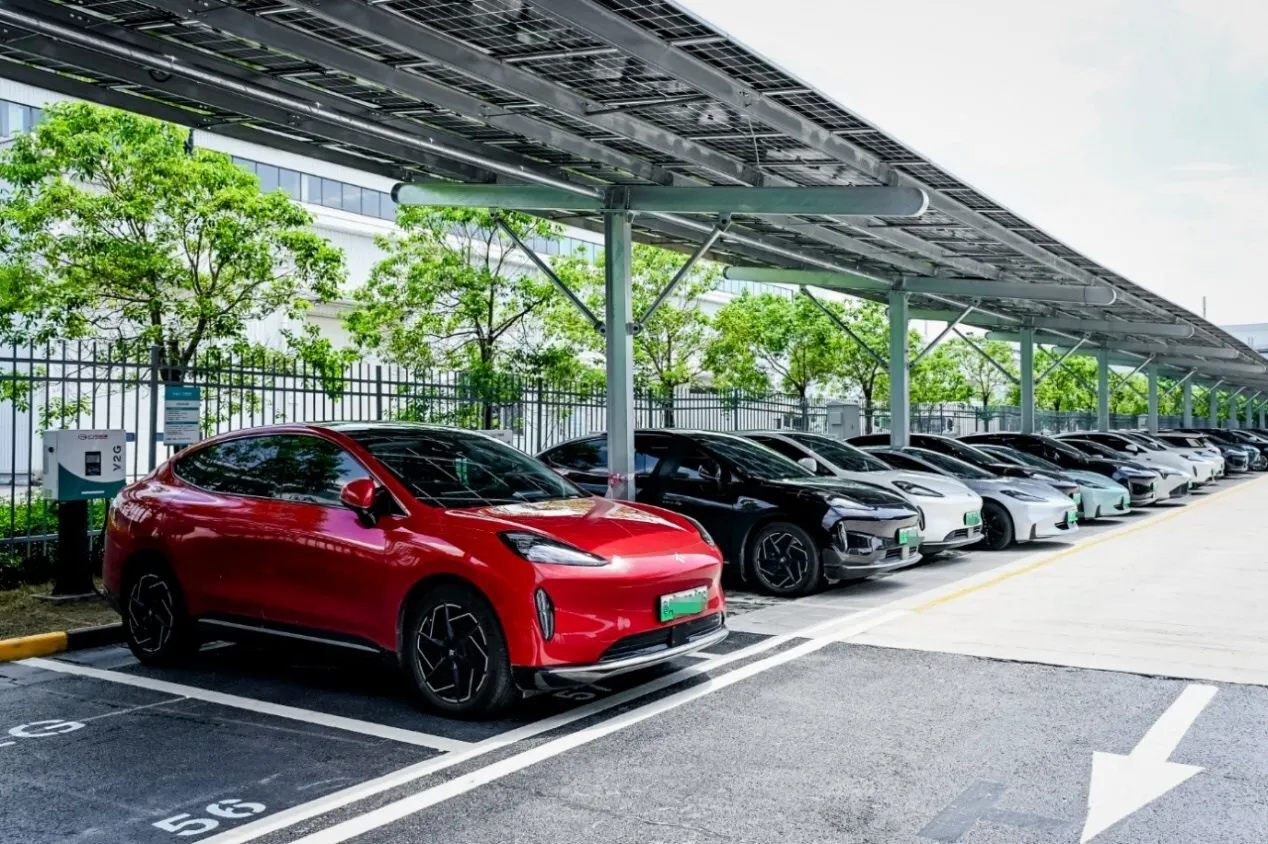
China’s GAC Energy said it expanded its charging network and made progress in ultra-fast charging and vehicle-to-grid (V2G) technology in 2025, according to its newly released Ecological Service Report.
The report shows that GAC Energy operated 23,274 self-owned charging piles across 31 provinces and 211 cities by the end of 2025, including 17,577 direct-current piles. The network served about 8.92 million users and delivered a cumulative 1.43 billion kilowatt-hours of electricity through 1,956 charging stations during the year.
The developments form part of GAC Group’s “2⁶ Energy Action” strategy, which aims to build an integrated new energy vehicle ecosystem spanning vehicles, charging, energy storage and grid interaction.
GAC Energy said it upgraded its ultra-fast charging infrastructure in 2025, with charging piles now capable of delivering up to 640 kilowatts, while individual charging guns can reach 720 kilowatts at 800 amperes. In May, the company launched an AI-powered cloud management platform to monitor and optimise charging operations in real time, raising equipment online availability to 99.2%.
In vehicle-to-grid applications, GAC Energy said it completed China’s first V2G discharge order involving a private car owner in August 2025, allowing a consumer vehicle to sell electricity back to the grid. The company also built what it described as the country’s largest V2G microgrid the following month.
By year-end, national V2G discharge volumes reached about 1.35 million kilowatt-hours, while cumulative power trading through V2G systems totalled around 130 million kilowatt-hours. GAC Energy estimated associated carbon emission reductions of about 3.43 million tonnes.
The report said that by late 2025, users in major urban areas could typically reach a GAC Energy charging station within one kilometre, reflecting continued expansion along city centres and key transport corridors.