


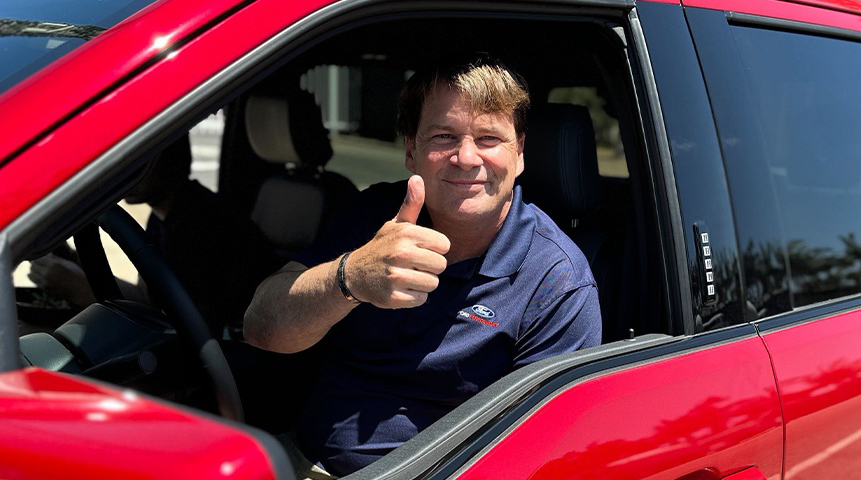
Ford Motor Chief Executive Jim Farley discussed a potential framework with senior officials in the Trump administration that could allow Chinese automakers to build vehicles in the United States through partnerships with American companies, according to a media report.
The concept, outlined last month, would enable Chinese manufacturers to establish joint ventures with U.S. automakers while ensuring that American partners retain controlling stakes, Bloomberg reported, citing people familiar with the discussions. The structure would aim to share profits and technology between the two sides while maintaining domestic oversight of operations.
Farley raised the idea during meetings with U.S. Trade Representative Jamieson Greer, Transportation Secretary Sean Duffy and Environmental Protection Agency Administrator Lee Zeldin at the Detroit Auto Show, the report said. The discussions took place shortly after President Donald Trump signaled openness to Chinese investment in U.S. manufacturing.
“Let China come in,” Trump said during a Jan. 13 speech at the Detroit Economic Club, referring to the possibility of Chinese companies building factories and hiring American workers.
According to Bloomberg, the proposal did not gain strong support within the administration, with some officials viewing it as politically sensitive and likely to face opposition in Washington. However, the report said that a planned presidential visit to China later this year could revive interest in a broader investment agreement.
The joint venture concept echoes policies used by China decades ago, when foreign automakers entering the country were required to partner with local companies. In recent years, Beijing has gradually relaxed those rules, allowing wholly foreign-owned factories such as Tesla’s Shanghai plant, which began production in 2019. Toyota has also announced plans to build a wholly owned electric vehicle plant in Shanghai to produce Lexus models.
Separately, the Financial Times reported earlier that Ford had explored a joint venture with Chinese technology company Xiaomi to manufacture electric vehicles in the United States, though the automaker later denied that report.


