




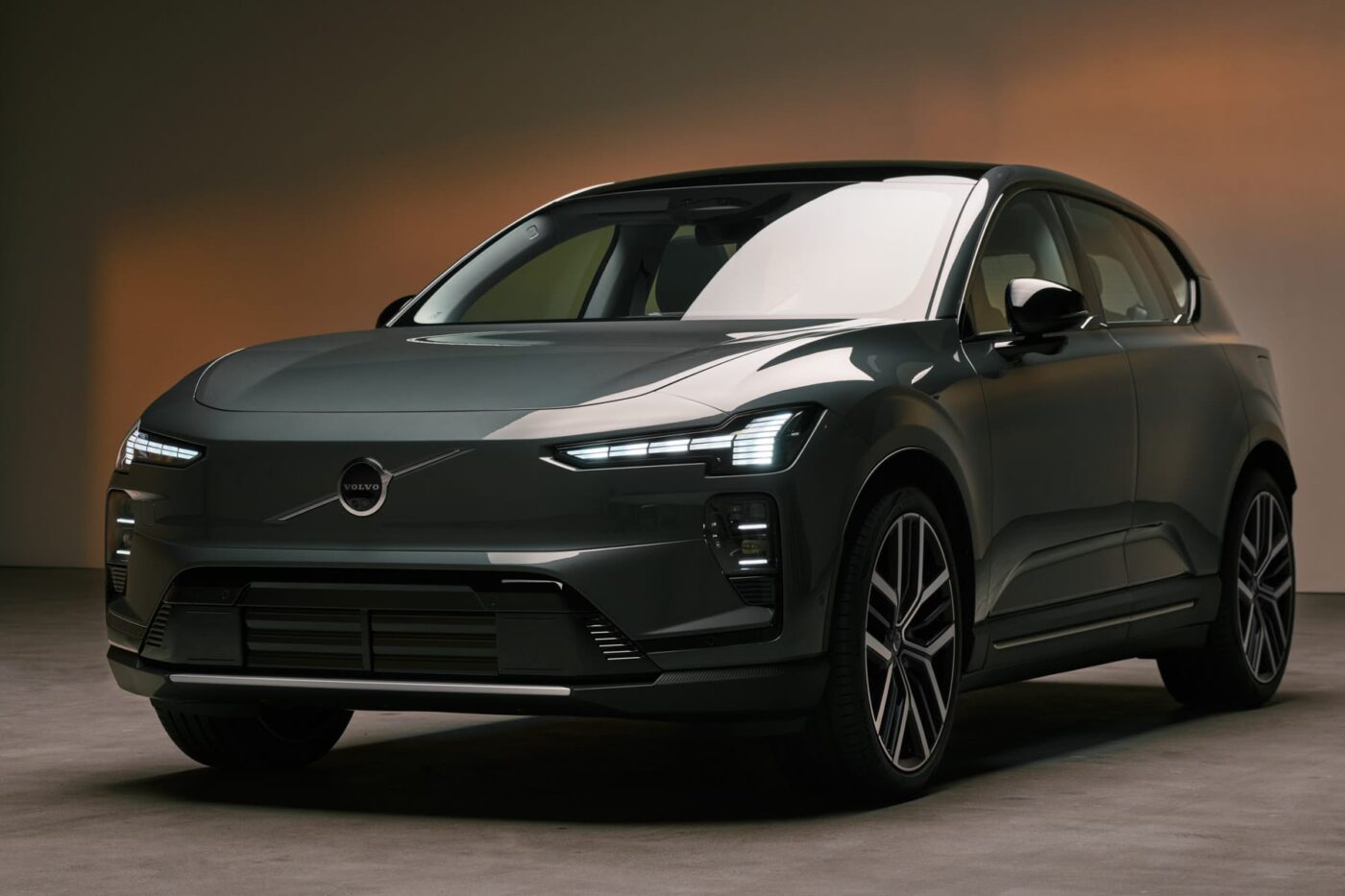
With the debut of the Volvo EX60, Volvo Cars closes a long-standing gap in its electric portfolio. While the brand has steadily expanded its battery-electric range—from the EX30 to the EX90—the mid-size 60-series had, until now, remained exclusive to combustion and plug-in hybrid drivetrains.
Set to arrive in 2026, the EX60 becomes the first fully electric successor to the best-selling XC60 and was unveiled at its global premiere in Stockholm. Despite its later-than-expected arrival, Volvo positions the EX60 as a technology-forward model capable of competing directly with premium German rivals in the same segment.

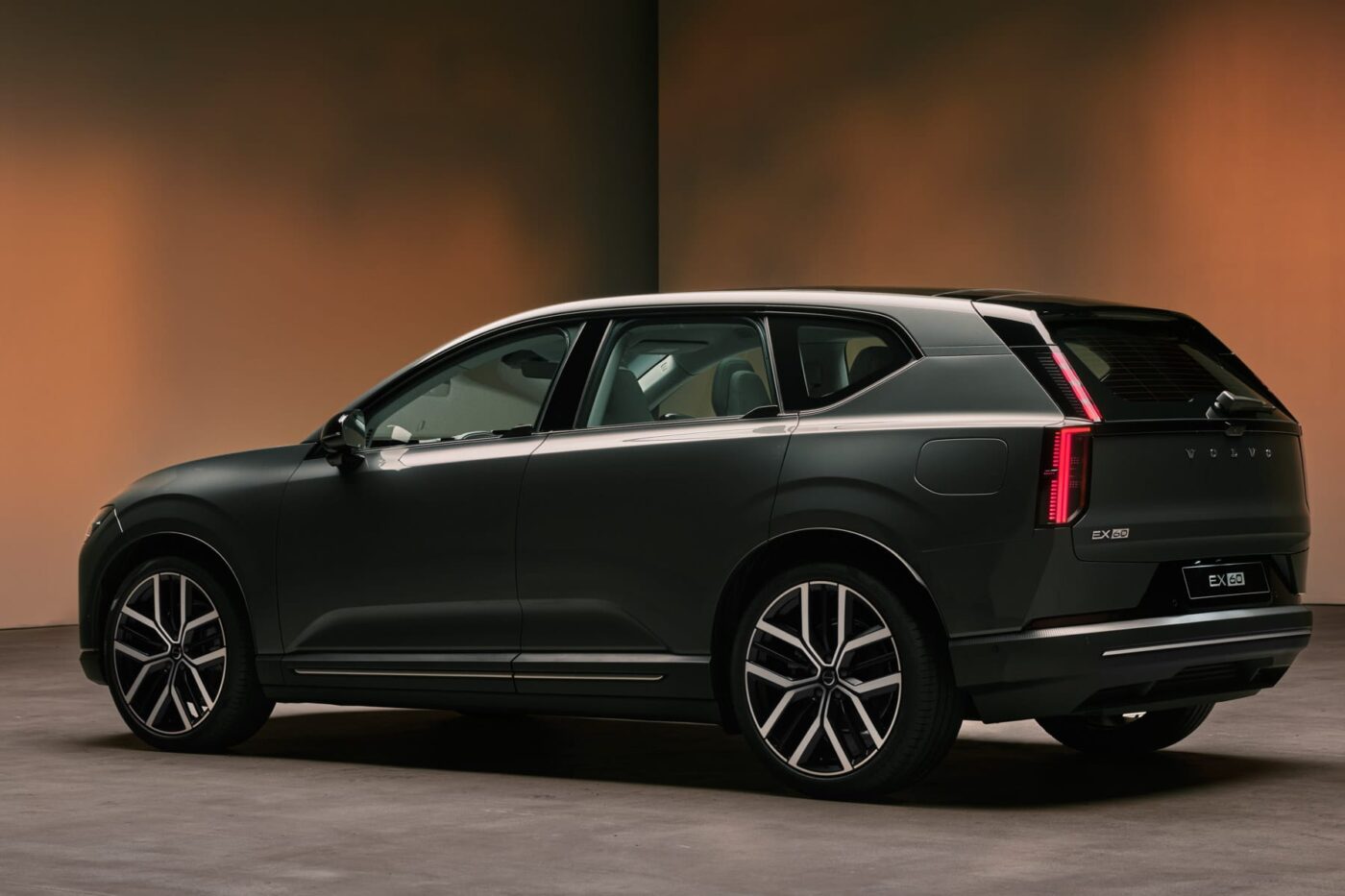
At the heart of the EX60 is Volvo’s all-new SPA3 architecture, which makes its production debut with this model. Unlike earlier SPA and SPA2 platforms—both of which could accommodate combustion engines—the SPA3 was developed exclusively for battery-electric vehicles. “That it would be a purely electric platform with no possibility for an internal combustion engine,” said Anders Bell, emphasising that avoiding compromise was essential to long-term competitiveness.
Håkan Samuelsson, who approved the platform during his first term as CEO, described SPA3 as “a complete fresh start,” adding, “The EX60 and the SPA3 are a true game-changer for Volvo.” Designed for modularity, the platform can support vehicles from B- to F-segments, with the EX60 serving as its first real-world application.
A central technical highlight is the battery system. Using a cell-to-body design, the EX60 integrates the battery as a structural element of the vehicle. Volvo fits up to a 117 kWh battery (112 kWh usable) into the underfloor, enabling a WLTP range of up to 810 kilometres in the top P12 AWD variant. According to Volvo, this approach improves energy density by 20 per cent while reducing weight and CO₂ footprint.
Three battery and drivetrain configurations are available from launch: the rear-wheel-drive P6 with an 83 kWh battery and 620 km range, the P10 AWD with a 95 kWh battery and 660 km range, and the flagship P12 AWD delivering 500 kW (680 hp), 790 Nm of torque and a 0–100 km/h time of 3.9 seconds—making it the most powerful production Volvo to date.
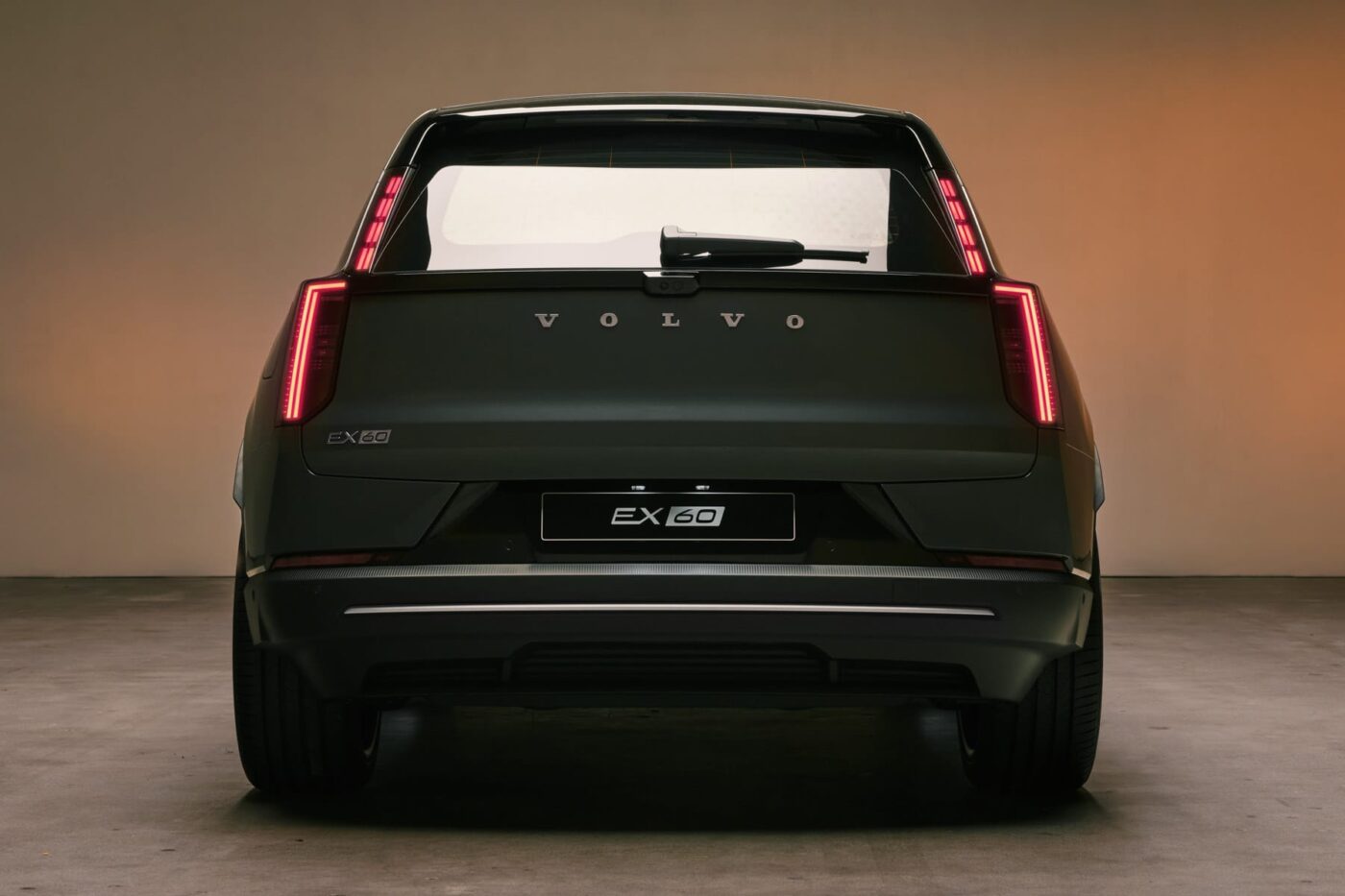
Charging performance is another key strength. The EX60 supports 800-volt architecture, allowing DC fast charging at up to 370 kW on all-wheel-drive models and up to 320 kW on the P6. Volvo claims a 10–80 per cent charge in as little as 18–19 minutes, depending on variant, supported by advanced battery preconditioning software developed by Volvo subsidiary Breed. All versions also feature a standard 22 kW bidirectional AC onboard charger, enabling Vehicle-to-Load, Vehicle-to-Home and Vehicle-to-Grid functionality, pending compatible infrastructure.
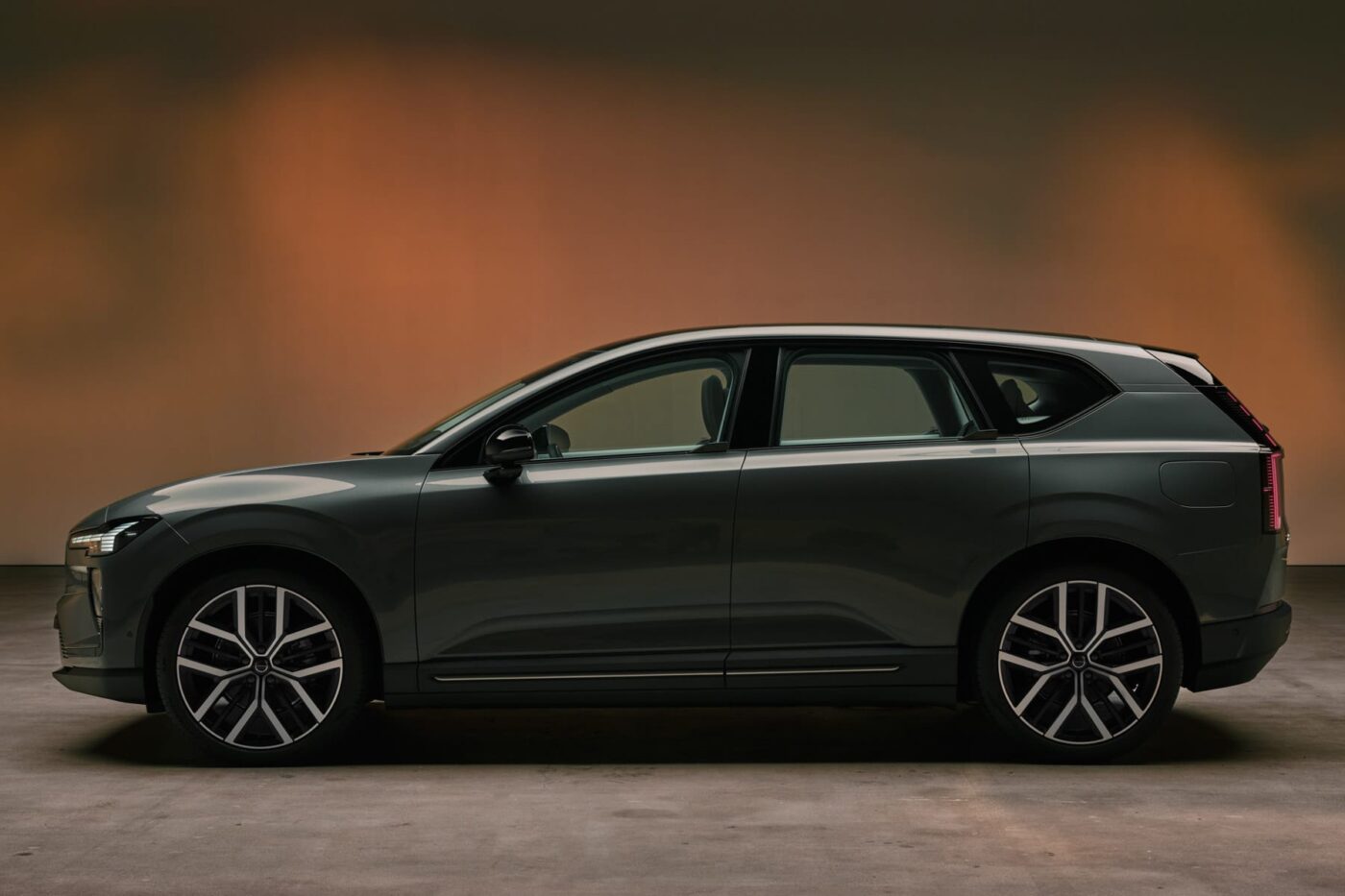
In terms of size and practicality, the EX60 measures 4.80 metres in length with a 2.97-metre wheelbase, placing it firmly in the premium mid-size SUV class. Short overhangs, a flat interior floor and a ground clearance of 18 cm give it distinctly electric proportions. Interior space is geared toward family use, offering up to 634 litres of boot capacity with seats up and 1,647 litres with seats folded, plus an 85-litre front trunk. Towing capacity reaches up to 2.4 tonnes on all-wheel-drive variants. Standard suspension uses coil springs, while an optional two-chamber air suspension—borrowed from the EX90—adds adaptive comfort and ride control.
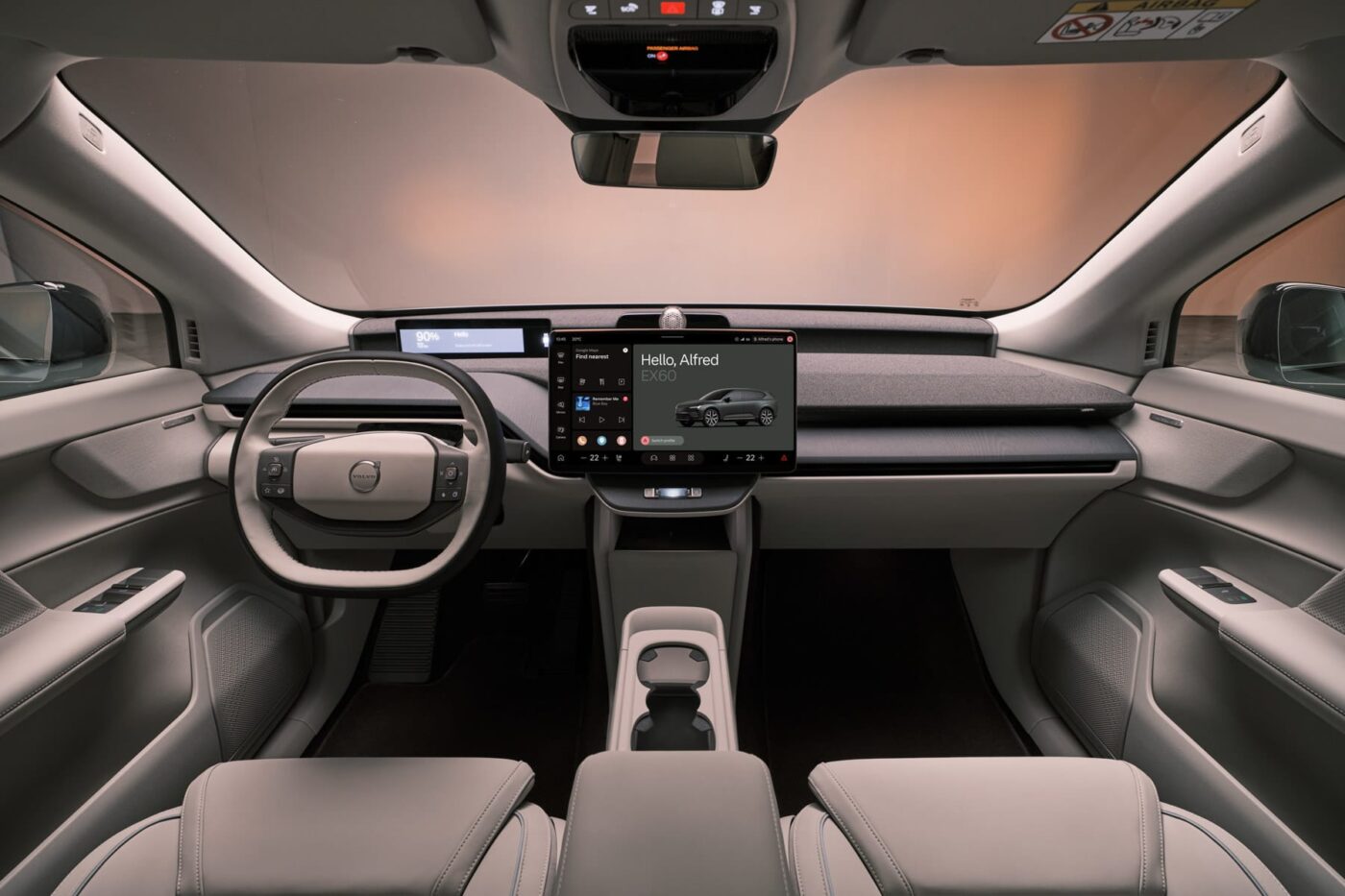
Alongside the EX60, Volvo will continue to offer the XC60 with combustion and hybrid drivetrains, reflecting its strategy to sell 90–100 per cent electrified vehicles by 2030, depending on market conditions. With its dedicated electric platform, large battery options, fast charging and high-performance variants, the EX60 signals Volvo’s intent to remain competitive in one of the most contested segments of the global EV market.


