
The electric vehicle industry is advancing through gradual improvements in battery technology rather than relying on a single transformative breakthrough, according to a new briefing released by EV charging solutions provider Versinetic.
The company argues that ongoing gains in battery chemistry, manufacturing efficiency and durability are delivering meaningful improvements in performance and cost, while supporting the emergence of multiple battery technologies tailored to different applications.
Versinetic said the market is increasingly moving toward a diversified ecosystem of battery solutions rather than converging around one dominant cell design.
Incremental Improvements Shape the Market
The briefing highlights how steady advances in existing battery technologies have played a larger role in the growth of electric vehicles than widely anticipated breakthrough innovations.
Versinetic pointed to Tesla’s 4680 battery cell, which attracted significant attention following its introduction in 2020, but noted that lower-cost lithium iron phosphate (LFP) batteries have expanded more rapidly across mainstream electric vehicle production.
According to the company, annual improvements in manufacturing processes, energy density and cost reduction have had a greater impact on market adoption than major technological redesigns.
New Battery Chemistries Gain Momentum
The report also identifies sodium-ion batteries as an emerging technology with potential applications in lower-cost electric vehicles and stationary energy storage systems.
While sodium-ion batteries currently offer lower energy density than leading lithium-ion technologies, Versinetic said their lower material costs and abundant raw material supply are attracting growing industry interest.
At the same time, development of solid-state batteries continues to advance.
The company noted that automakers, including Toyota, are targeting commercial deployment of solid-state battery technology later this decade, while some smaller firms have already begun introducing early commercial products.
Battery Lifespan Extends Beyond Vehicles
A central theme of the briefing is the increasing durability of modern electric vehicle batteries and their potential for second-life applications.
Versinetic cited a 2016 Renault Zoe that reportedly retained 97% of its original battery capacity after nearly 80,000 miles (125,000 kilometers) of use, suggesting that many battery packs may remain suitable for energy storage applications after their automotive service life ends.
The company said retired EV batteries can be repurposed for stationary storage systems supporting renewable energy projects, substations and grid stability initiatives.
This capability, it argued, could improve the long-term economics and sustainability of battery technology by extending asset lifecycles before recycling becomes necessary.
Multiple Technologies Expected to Coexist
Versinetic believes the future battery market will likely be characterized by a range of technologies optimized for different use cases rather than a single dominant chemistry.
“The EV industry is moving beyond the idea of a single ‘silver bullet’ battery breakthrough. What we are actually seeing is a rapidly expanding ecosystem of battery technologies designed for different transport, storage and energy applications,” said Dunstan Power, managing director of Versinetic.
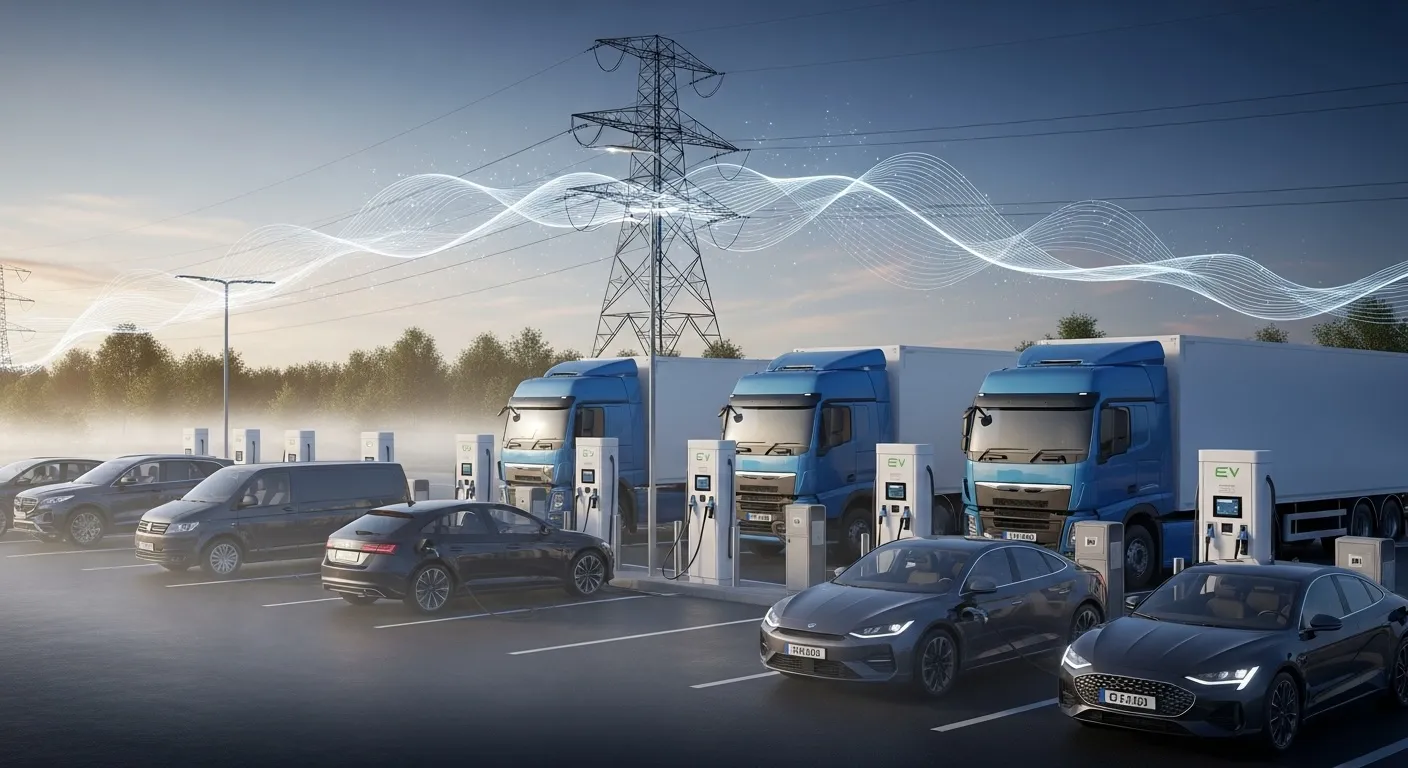
“Over time, electric vehicles will become far more than just cars. They will increasingly function as part of the wider energy system itself, supporting renewable power, storage and smart grid infrastructure.”
The company concluded that advances in battery durability, manufacturing and reuse are likely to play an increasingly important role in the energy transition as electric vehicles become more closely integrated with broader electricity and storage networks.