




The European Union has urged Britain to raise tariffs on Chinese electric vehicle imports and bring its trade policy closer to the bloc’s approach, as the UK seeks to avoid potential barriers affecting British products under the EU’s emerging “Made in Europe” industrial framework.
The Financial Times reported on September 25 that Brussels had told London that joining the EU customs union would be the most comprehensive way to address the issue. The British government continues to rule out joining the customs union.
UK Seeks Access to EU Industrial Framework
Britain is seeking to have its automotive, chemical and energy supply chains included in the EU framework, amid concerns that UK companies could otherwise be excluded from industrial subsidies and public procurement opportunities linked to the bloc’s efforts to strengthen European manufacturing.
According to the Financial Times, an EU official said a customs union would resolve many of the concerns, including the possibility of Chinese goods entering the EU market through Britain and avoiding EU tariffs.
The issue creates a trade-off for the UK automotive industry. Raising tariffs on Chinese EVs could bring British trade policy closer to the EU’s approach, while potentially affecting vehicle import costs and the UK’s efforts to attract Chinese automotive investment.
EU Has Higher Tariffs on Chinese EVs
Britain did not introduce additional tariffs on Chinese electric vehicles in 2024, unlike the EU.
The European Commission imposed definitive countervailing duties on battery-electric vehicles imported from China in October 2024 for five years. The additional duties range from 7.8% to 35.3%, depending on the manufacturer, on top of the EU’s standard 10% import duty.
The definitive additional duties include 17% for BYD, 18.8% for Geely and 35.3% for SAIC. Other cooperating manufacturers face a 20.7% weighted-average duty, while Tesla was assigned a 7.8% rate following an individual examination.
The EU has also continued to explore alternative arrangements with Chinese exporters. In February 2026, the European Commission accepted a price undertaking from Volkswagen Anhui covering the CUPRA Tavascan, allowing the model to enter the EU at or above an agreed minimum import price and under specified volume and investment commitments.
Chinese EVs Gain UK Market Share
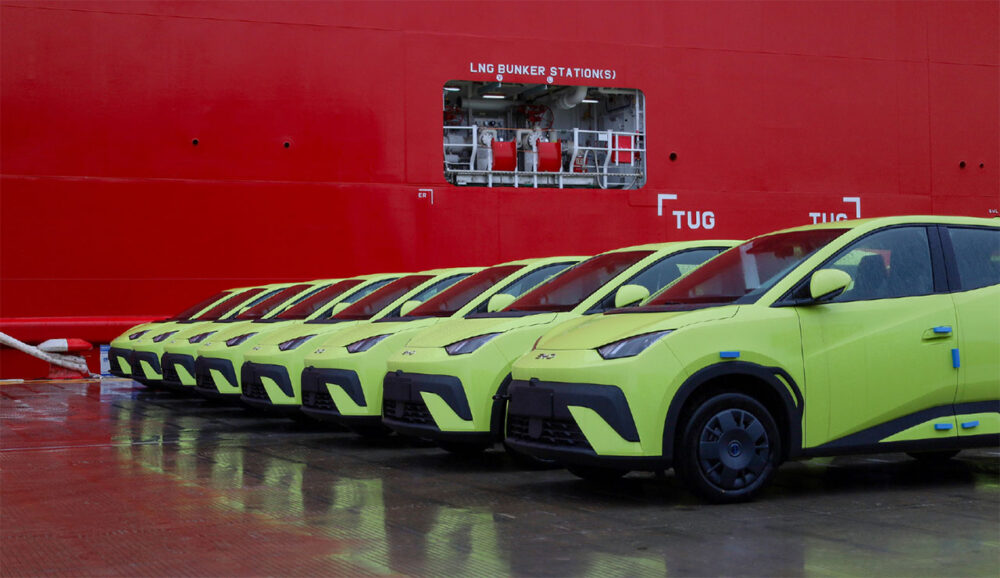
Chinese manufacturers have increased their presence in the British car market. The Financial Times report said Chinese brands accounted for a combined 16% share of UK new-car sales this year.
Nissan’s European boss Massimiliano Messina has warned that Britain could become a “corridor” for Chinese EVs entering the EU and has called for changes to certain tariff policies, according to the Financial Times.
At the same time, higher barriers could affect Britain’s efforts to attract Chinese automotive investment. The UK is seeking Chinese investment, including potential production by Chery at Nissan’s Sunderland plant.
Britain Maintains Trade Policy Position
The British government has maintained its position against joining the EU customs union or single market, limiting the scope for fully aligning UK and EU trade policy.
The UK department responsible for trade told the Financial Times that Britain would determine its trade measures independently based on the country’s economic and industrial interests. It also stressed the importance of maintaining trade flows between Britain and the EU.
The department said the UK wanted to deepen cooperation with the EU while avoiding unintended effects on trade from efforts by both sides to address what they consider unfair trading practices.
The dispute comes as Britain seeks greater participation in European industrial initiatives while maintaining an independent trade policy toward China and other markets.


