




The European Union-backed GIANTS project has entered the next phase of development, moving from technology design to real-world vehicle demonstrations as it reaches month 30 of its 42-month programme.
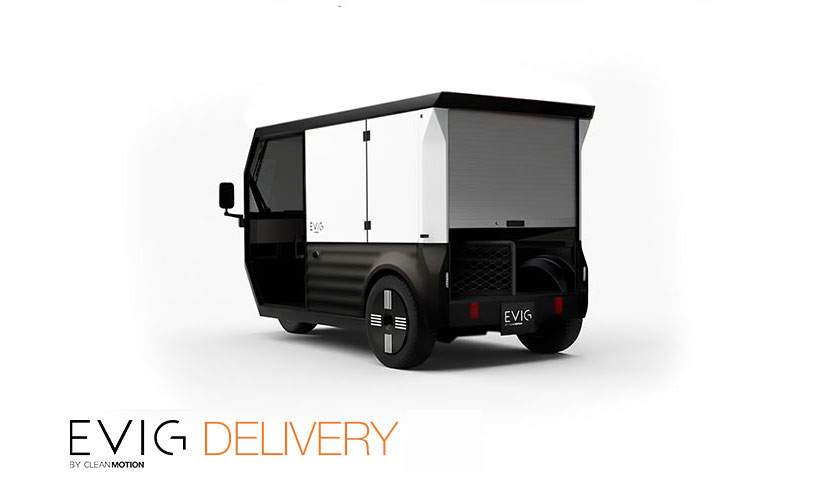
Swedish electric vehicle manufacturer Clean Motion is contributing its EVIG platform as one of the project’s original equipment manufacturer (OEM) partners, with prototype testing set to begin across six international urban living labs.
Project Moves into Demonstration Phase
Funded through the Horizon Europe programme, the GIANTS project has a total budget of €15 million and runs from January 2024 through June 2027.
The consortium, which comprises 24 partners, has spent the first 30 months developing the project’s technical foundation, including vehicle architectures, component technologies, digital twin capabilities and system integration.
The focus now shifts toward validating the technology under real-world operating conditions.
Six Cities Selected for Testing
The demonstration programme will take place across Living Labs located in Barcelona, Gothenburg, Kisumu, Delhi, Pune and Manila.
These sites will be used to evaluate vehicle integration, operational performance and digital technologies in diverse urban environments.
For Clean Motion, the Gothenburg Living Lab carries particular importance, as the company’s research, development and manufacturing operations are based in nearby Jonsered, Sweden.
Clean Motion Develops EVIG Platform
As an OEM partner within the consortium, Clean Motion is responsible for developing and integrating its EVIG electric vehicle platform into the wider GIANTS ecosystem.
The company said prototype development is progressing as the project prepares for the next stage of validation.
William Collings, Chief Technology Officer at Clean Motion, said the consortium has reached an important milestone.
“GIANTS is progressing well and we are pleased with what the consortium has achieved over the past 30 months. At Clean Motion, we are actively working on prototype development and we look forward to demonstrating what this platform can do in real urban environments over the coming year.”
The testing programme will continue through the remainder of the project, with large-scale demonstrations expected to provide data supporting future urban mobility solutions before the initiative concludes in June 2027.


