

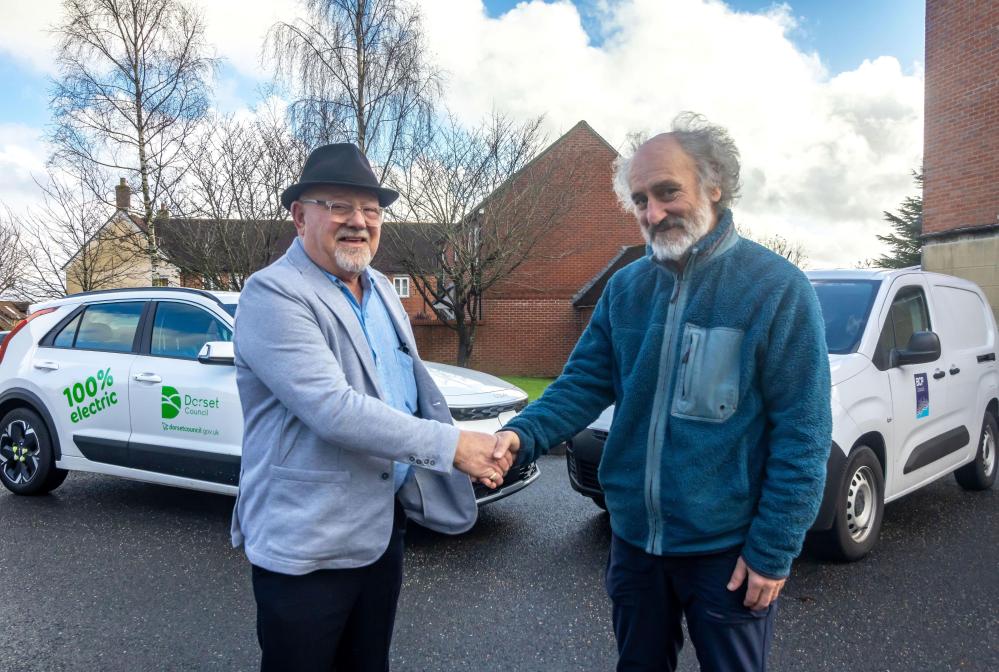
More than 3,000 on-street electric vehicle charging points are set to be installed across Dorset under a £16.5 million partnership between Dorset Council and Bournemouth, Christchurch and Poole (BCP) Council.
The project will be delivered by charging infrastructure company Connected Kerb and funded entirely through the UK Department for Transport’s Local EV Infrastructure (LEVI) Fund, which supports similar rollouts nationwide.
The new chargers will be installed across local streets and everyday parking spaces throughout the county, aiming to provide convenient access for residents without private driveways. Authorities have not yet disclosed the precise distribution of locations.
Local officials said the initiative is intended to remove a major barrier to EV adoption by expanding access to reliable public charging ahead of the UK’s planned 2030 phase-out of new petrol and diesel car sales.
“By creating a county-wide charging network, we’re removing one of the biggest barriers to switching to electric vehicles – making it more convenient, accessible, and reliable for our residents,” said Andy Hadley, BCP Council’s Cabinet member for Climate and Transport. He added that the rollout would help position the region as a center for green investment.
Connected Kerb Chief Executive Chris Pateman-Jones said the project focuses on practical everyday use. “This project puts convenient, affordable EV charging where it’s needed most – on local streets and in everyday parking spaces – making it easier for more residents across BCP and Dorset to switch to electric,” he said.
The scheme forms part of broader UK efforts to expand public charging infrastructure, particularly in residential areas where home charging is not feasible, as electric vehicle adoption accelerates.