




Donut Lab has released results from a new safety test on its solid-state battery, focusing on how a damaged cell performs under continued operation.
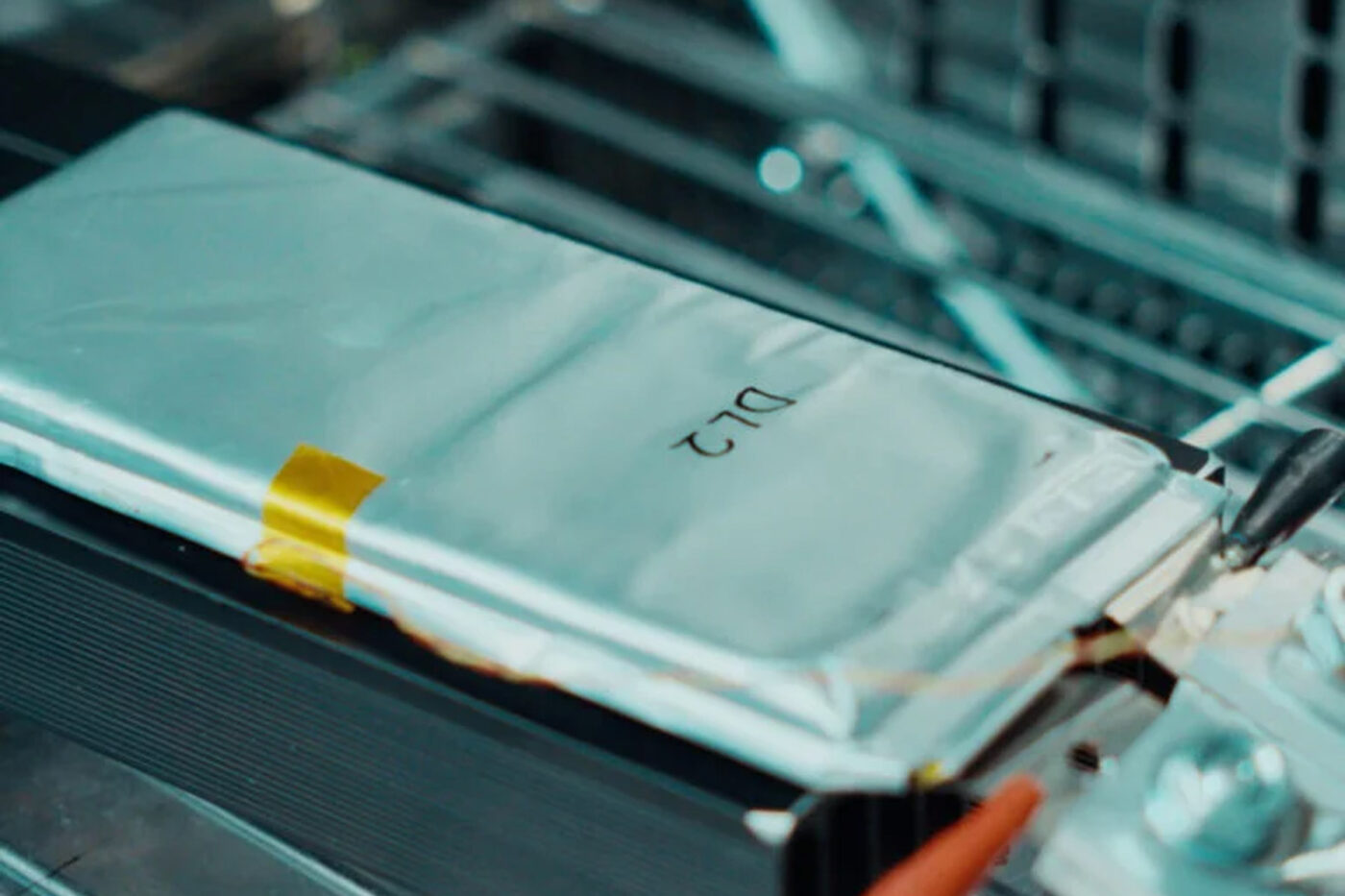
The test, part of the company’s “I Donut Believe” campaign, examined a battery cell identified as DL2 following earlier high-temperature testing. During a charging process at 100°C, the cell experienced damage to its vacuum structure, leading to visible swelling that had previously raised questions about whether the battery used a conventional liquid electrolyte.
Donut Lab said the swelling was not caused by electrolyte outgassing but rather by the failure of materials and adhesives typically used in lithium-ion batteries, which are not designed to withstand such high temperatures. The company noted that, under similar conditions, a conventional lithium-ion battery could face severe safety risks, including leakage and thermal runaway.
“To demonstrate the safety of its solid-state cell, the Finnish company decided to continue discharging the damaged battery cell,” the company said in a statement, adding that such a test would likely have led to hazardous outcomes in batteries using liquid electrolytes.
Ville Piippo, chief technology officer of Donut Lab, said conventional lithium-ion batteries would typically become inoperable after similar structural damage, with increased risk of fire or thermal instability.
The damaged cell was subjected to further testing, including multiple standard charge and discharge cycles. According to the company, the battery continued to operate normally during five 1C cycles, despite the compromised vacuum structure. It was then tested over more than 50 cycles at a higher 5C charging rate, equivalent to a full charge in around 12 minutes.
While performance declined, with capacity stabilizing at about 11 ampere-hours compared to the original 25 ampere-hours, the company said the cell maintained stable operation without temperature spikes or fire hazards. A slight recovery in capacity was also observed during later test cycles.
Donut Lab said the results indicate that, although physical damage can reduce performance, the solid-state design helps maintain safety under conditions that could pose significant risks for conventional lithium-ion batteries.


