
Nine European partners have launched the CREED project to investigate how electric vehicles, heat pumps, batteries and other flexible technologies can be coordinated to improve renewable energy integration and support electricity grid stability.
Short for Cross-sectoral Renewable Energy-Enabled Demand Management, the initiative is led by Austria-based Virtual Vehicle Research GmbH. Its solutions will be demonstrated and validated at seven pilot sites across Austria, Germany, Portugal and the Czech Republic.
Launched on 1 October, CREED will run for two and a half years with a total budget of €1.29 million. The project aims to make electricity demand more adaptable to renewable energy generation while maintaining consumers’ everyday needs.
Coordinating Electricity Demand With Renewable Supply
CREED focuses on the potential of technologies commonly treated as electricity consumers to provide flexibility to the wider energy system.
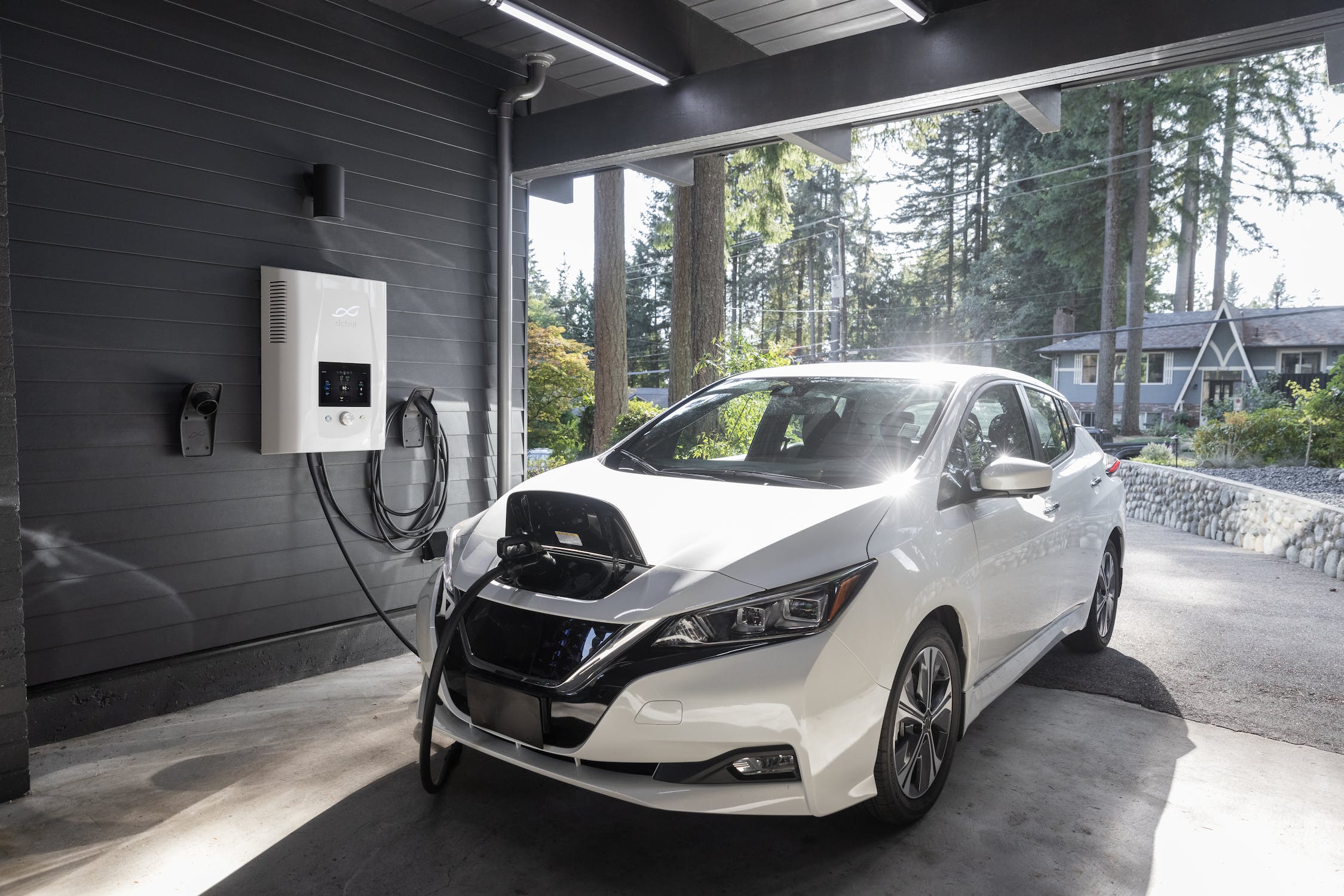
Electric vehicle charging, for example, can be scheduled for periods when renewable electricity is more readily available. Batteries can store energy for later use, while heat pumps and thermal storage systems can adjust their electricity consumption according to grid conditions and energy supply.
By coordinating these resources, the project aims to help distribution networks accommodate a growing share of renewable electricity without requiring consumers to compromise on their energy needs.
Digital Twins and AI to Support Energy Management
The project brings together expertise from the energy, mobility, construction and digital technology sectors. Researchers will develop forecasting methods to estimate electricity generation, consumption and the flexibility available across connected systems.
Digital twins, which create virtual representations of physical systems, will be used to model integrated energy environments involving electric vehicles, heat pumps and thermal storage. The consortium will also combine different optimisation methods, including artificial intelligence, to improve coordination between these technologies.
Practical testing is a central part of the initiative. The seven pilot sites will allow researchers to assess the proposed approaches under different technical and regulatory conditions and examine how solutions can be transferred between countries and applications.
Nine Partners Across Europe
Virtual Vehicle Research GmbH, based in Graz, Austria, coordinates the consortium. The other participants are the University of West Bohemia in Pilsen, SEnerCon GmbH, Grazer Energieagentur, Reduxi DACH GmbH, École Centrale Lille, the Instituto Superior de Engenharia do Porto (ISEP), AEE – Institute for Sustainable Technologies, and Burgenland University of Applied Sciences.
Dr. Alois Steiner, CREED project coordinator at Virtual Vehicle, said improving the energy transition requires not only increasing renewable electricity generation but also changing how and when electricity is used.
“Electric vehicles, heat pumps, and storage systems offer enormous potential for flexibility. With CREED, we want to find ways of using this potential intelligently while placing the needs of citizens at the centre.”
Through its research and pilot demonstrations, CREED aims to identify practical methods for coordinating flexible electricity demand across the mobility and energy sectors. Its findings could help improve the use of renewable generation and support distribution grids as electrification expands across Europe.