



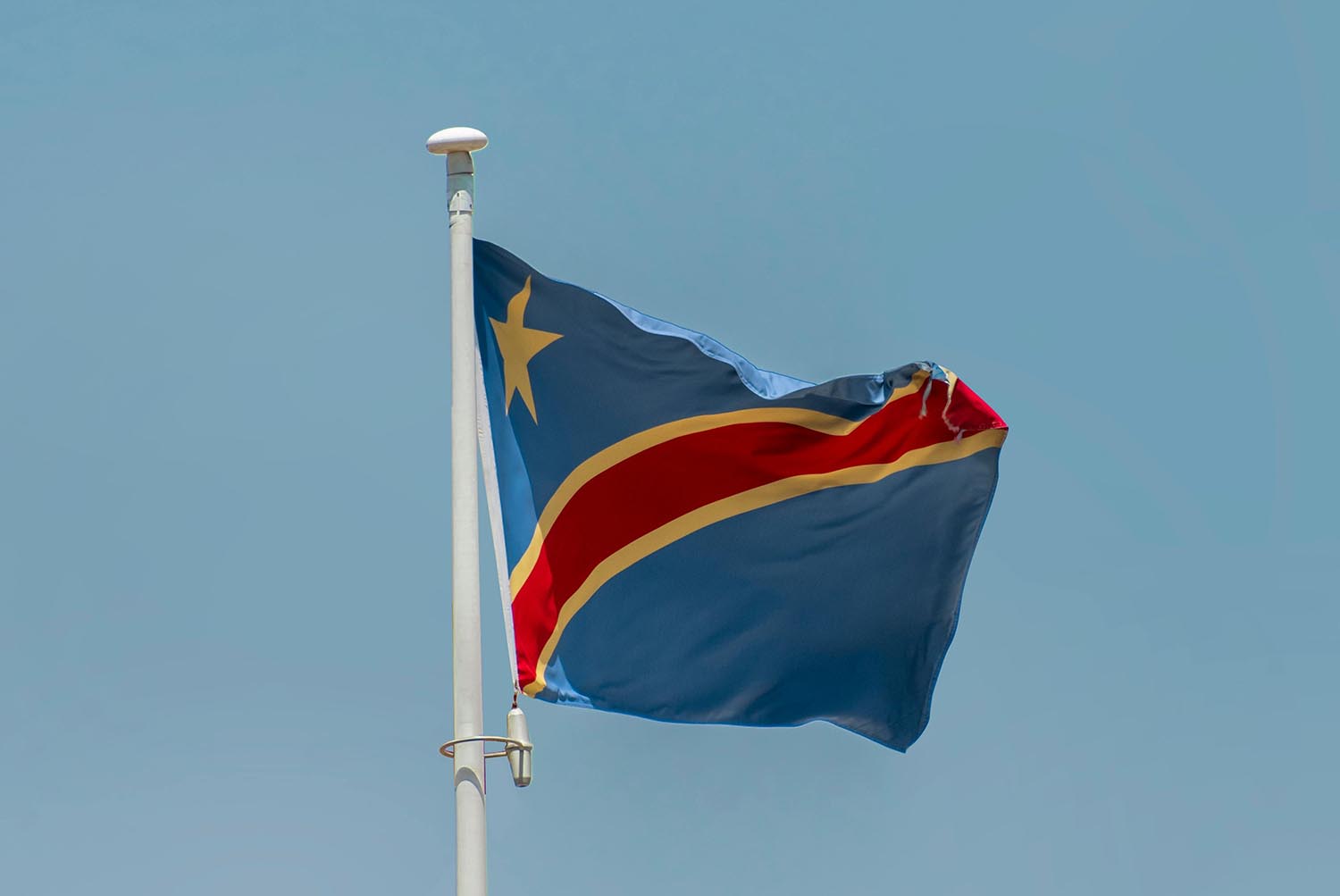
The Democratic Republic of Congo, the world’s largest producer of cobalt, has imposed a four-month export ban on the metal in response to a global supply glut, the country’s regulatory authority said.
“This measure is intended to regulate supply on the international market, which is faced with a production glut,” Patrick Luabeya, President of the Authority for the Regulation and Control of Markets for Strategic Mineral Substances (ARECOMS), said in a statement. The export ban, effective since Feb. 22, could be revised or lifted after three months, according to a decree signed by Luabeya and Mining Minister Kizito Pakabomba.
Congo supplies around three-quarters of the world’s cobalt, a key component in electric vehicle batteries. Production has surged in recent years, largely due to increased output from Chinese mining company CMOC, which doubled its cobalt production in 2023 to approximately 114,000 tonnes. The rise in supply has pushed cobalt prices down, with Fastmarkets data showing benchmark metal prices dropping below $10 per pound, a level not seen in over two decades. Cobalt hydroxide, the primary form of the metal produced in Congo, has fallen below $6 per pound.
While the export ban applies to all cobalt producers, including CMOC, Glencore, and Eurasian Resources Group, the Congolese government stated that copper exports would not be affected. Congo extracts cobalt primarily as a by-product of copper mining.
See also: China Dominates Global EV Battery Supply Chain, Study Finds
Efforts to secure cobalt from the country have continued despite price fluctuations. In 2021, China’s CATL explored purchasing a stake in Jinchuan Group International Resources, a mining firm operating in Congo. More recently, Sweden’s Northvolt joined an initiative in 2024 aimed at supporting responsibly mined cobalt from small-scale operations in the country. Congo has also pursued greater involvement in the supply chain, launching a battery production partnership with Zambia in 2022.
Source: Reuters


