



With China’s new energy vehicle (NEV) purchase tax incentive set to decline next year, automakers are rushing to secure enough batteries to maximize deliveries in the final quarter of 2025.
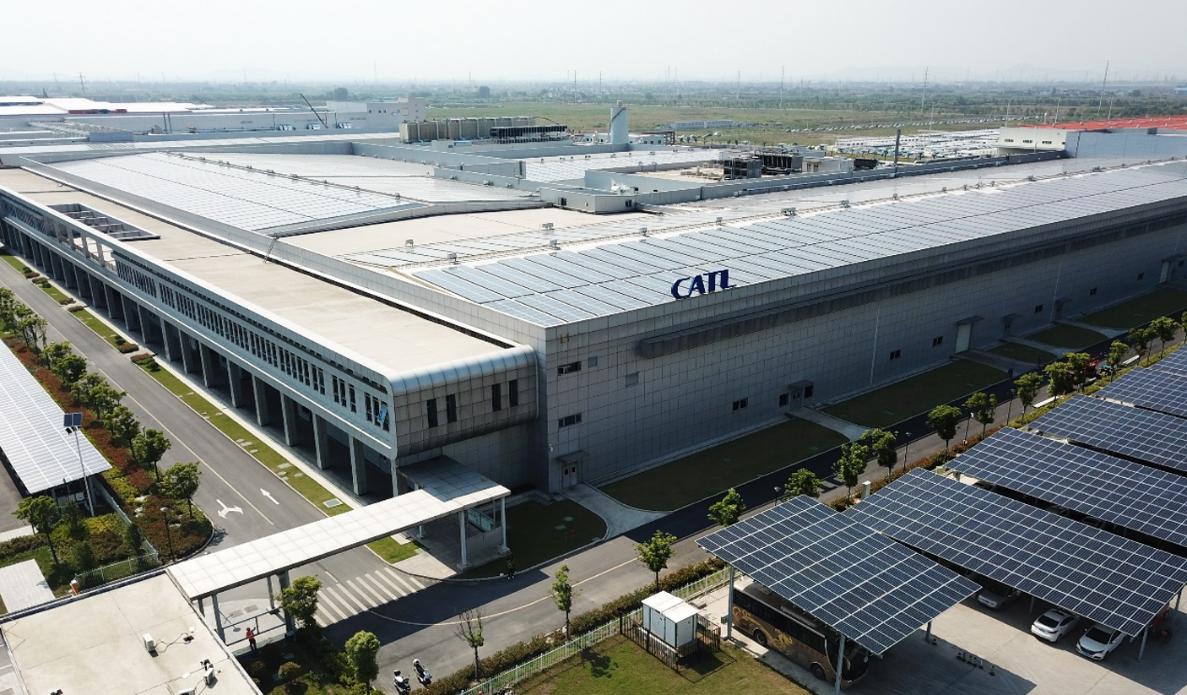
According to a report by LatePost, purchasing executives from several Chinese carmakers have recently visited CATL’s headquarters to lock in supply before the policy shift takes effect.
Unlike the broad battery shortages seen during 2021–2022, this year’s constraints are concentrated in CATL’s high-end, high-nickel battery systems, which power premium models priced above RMB 300,000 ($42,130).
These include vehicles such as Nio’s ES8 SUV, Li Auto’s Li i8, and Xiaomi’s YU7, SU7 Ultra, and SU7 Max. An industry insider described the situation as a “fierce competition for batteries,” noting that each additional vehicle delivered before year-end represents critical revenue for automakers.
CATL remains the world’s largest power battery producer, with a 42.81% market share in China by installed capacity as of September. The company is reportedly prioritizing automakers that exclusively use its batteries and maintain high shipment volumes. Meanwhile, production lines for premium battery products at smaller second-tier manufacturers are also fully booked, with some facilities operating at over 110% capacity.
See also: Samsung SDI, BMW, and Solid Power Partner on Solid-State Battery Validation Project
Rising demand for energy storage batteries is further tightening supply. Orders from regions such as South America and the Middle East are now booked through mid-2026, and CATL’s focus on scaling lithium iron phosphate (LFP) materials for storage applications has led to short-term constraints for popular LFP-powered models.
While CATL continues to expand production, analysts note that its cautious approach reflects concerns over potential idle capacity risks if NEV demand cools after next year’s tax incentive reduction.


