


China has unveiled its long-term electric vehicle (EV) development strategy, aiming to make pure electric vehicles (BEVs) the dominant force in new vehicle sales by 2035. The ambitious plan was detailed in a guideline by 10 government agencies, including the Ministry of Transport.
The guideline highlights China’s vision of integrating transportation with energy systems, focusing on clean, low-carbon energy consumption. By 2035, the country aims to establish a transportation network that fully integrates new energy systems with an emphasis on scientific and technological innovation. This marks the first time a specific goal for BEVs has been mentioned in China’s automotive policy.
See also: Tesla Sales Staff in China Face Long Hours Amid Rising EV Competition and Slowing Demand

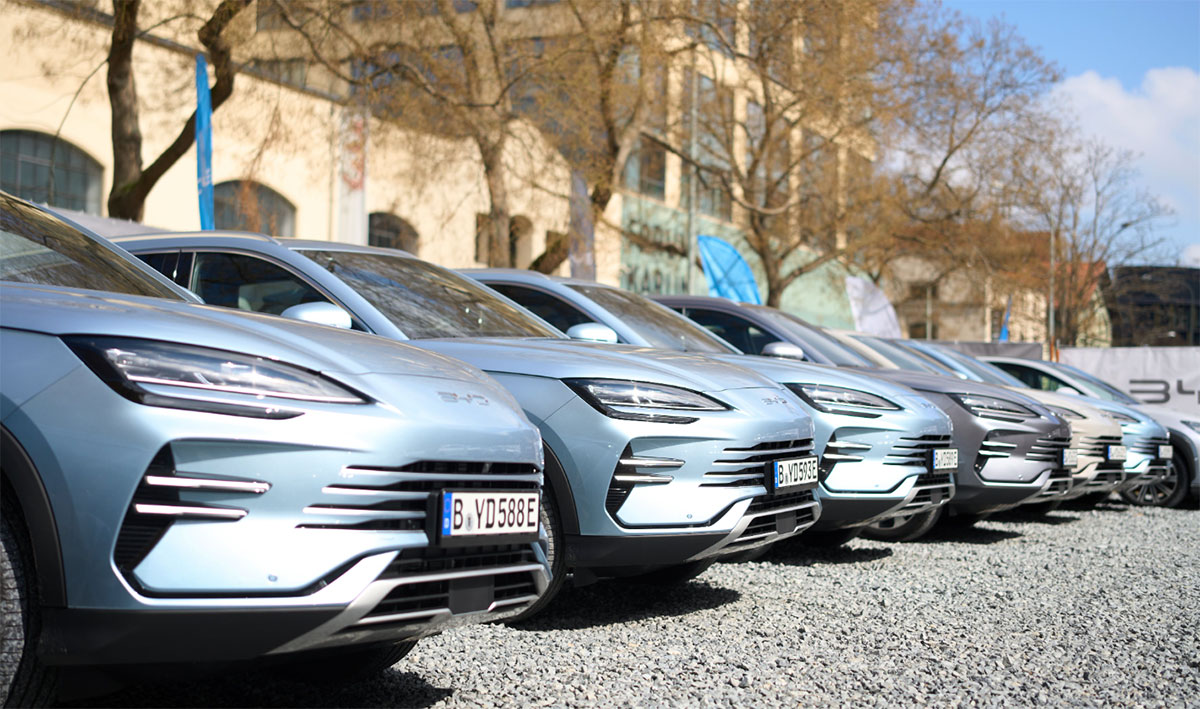
By 2027, the proportion of new energy vehicles (NEVs)—which includes BEVs, plug-in hybrid electric vehicles (PHEVs), and fuel cell vehicles—will continue to grow, according to the guideline. The document also outlines plans to combine various energy sources, EVs, charging infrastructure, and battery-swap facilities to create a virtual power plant within the transportation sector.
In recent years, NEVs have become a dominant term in China’s automotive industry. The country saw a surge in NEV sales in 2024, with retail sales totaling 10.9 million units, a 40.55% increase year-on-year.
See also: Huawei Unveils 1.5 MW Supercharger That Powers Heavy Trucks from 10% to 90% in 15 Minutes

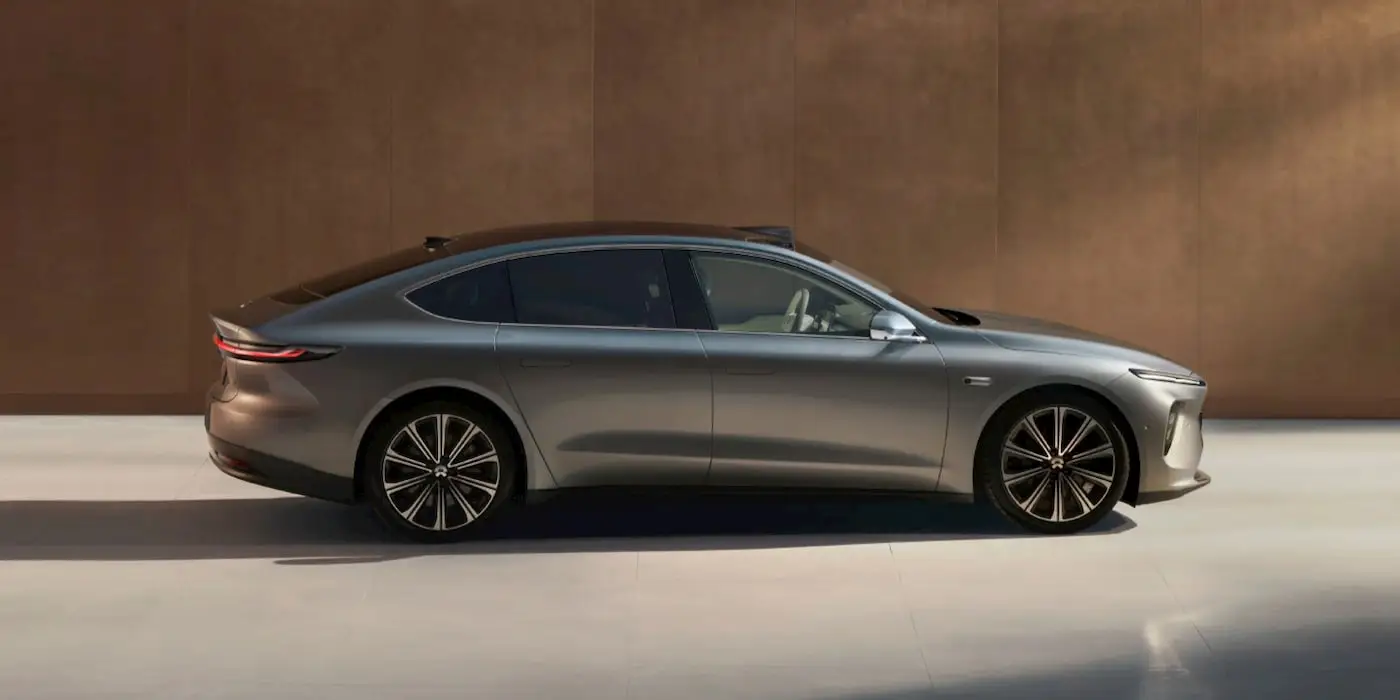
BEVs alone accounted for 6.3 million units, representing 58% of all NEV sales. As of the first quarter of 2024, retail sales of BEVs increased by 45.28% year-on-year, outpacing the growth of PHEVs, which saw a 25.32% increase.
The strategic push towards BEVs as a major contributor to the country’s green energy transition is expected to further solidify China’s position as a global leader in electric mobility.


