


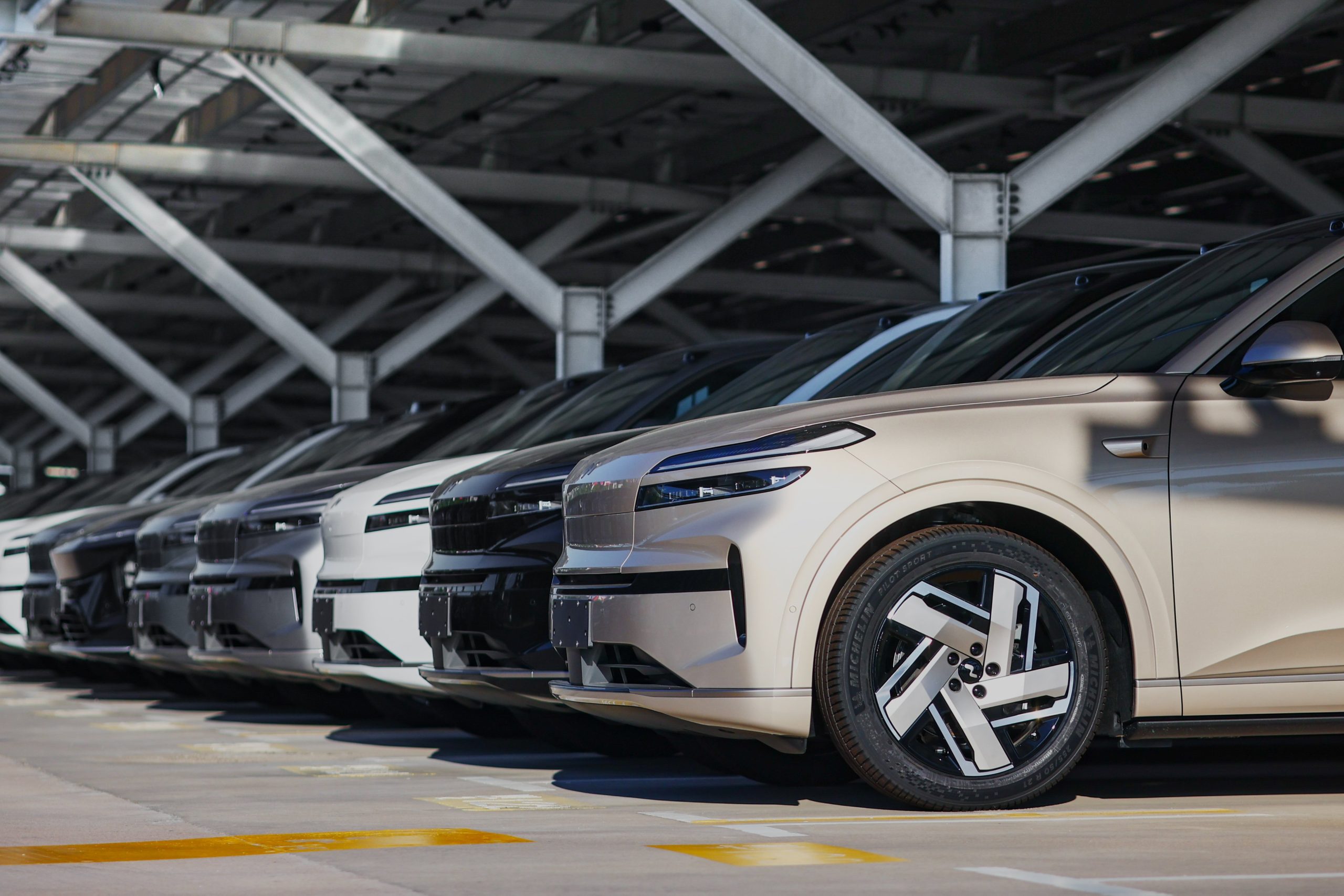
China’s new energy vehicle (NEV) market is experiencing a surge in orders as buyers rush to take advantage of the current full purchase-tax exemption before it is reduced next year.
Showrooms across the country are reporting record volumes, with some dealers noting a 60% increase in orders compared with typical monthly levels, according to industry sources cited by Sina Finance. The full tax exemption, which currently offers up to 30,000 yuan ($4,200) for qualifying NEVs, will drop to a 50% exemption starting January 1, 2026, cutting the maximum benefit to 15,000 yuan ($2,100).
See also: EU Industry Chief Warns of Rising Chinese EV Threat, Calls for Flexibility on 2035 Engine Ban

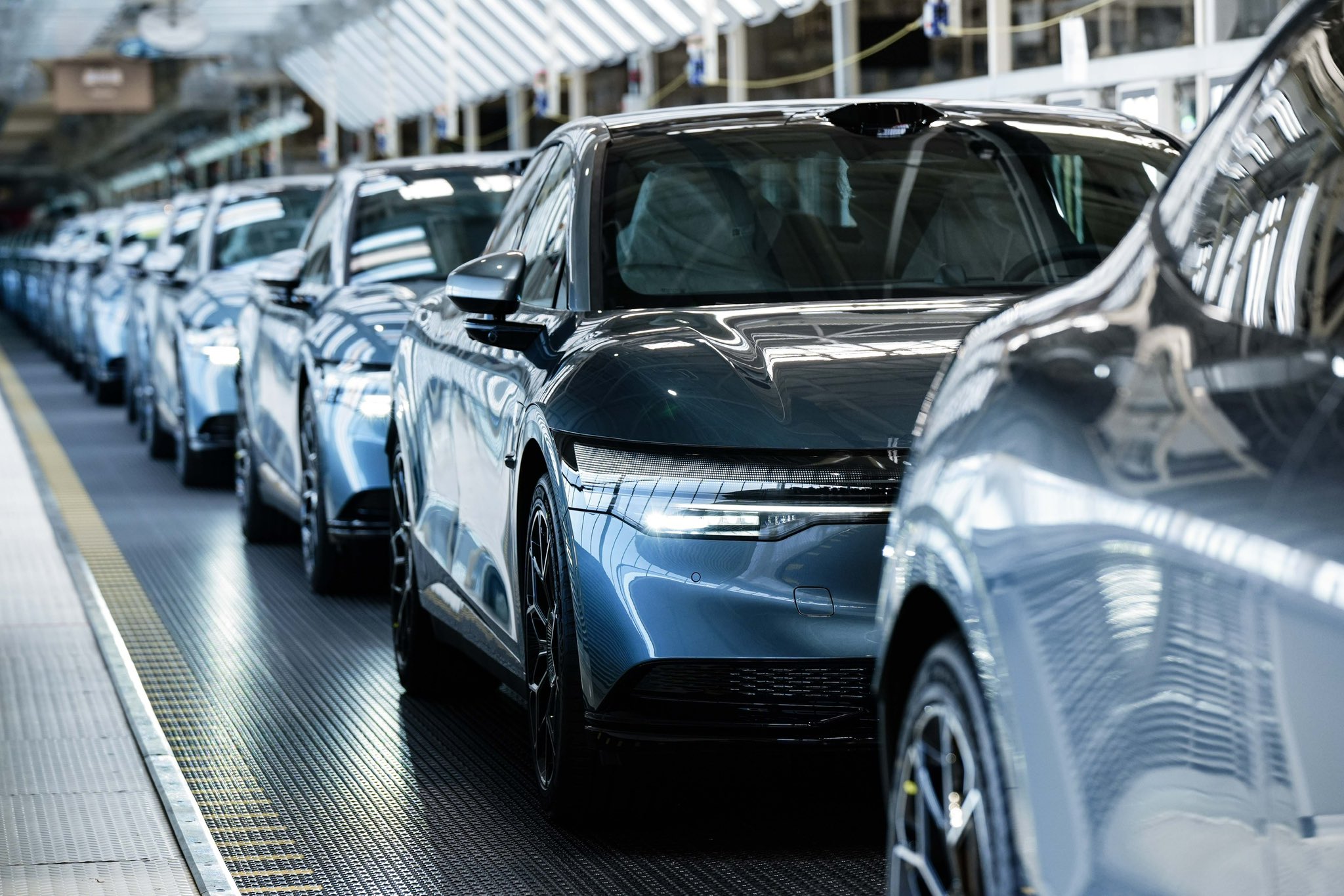
The timing of the change coincides with China’s year-end sales season, intensifying the pre-policy rush. Officials and analysts say the adjustment is designed to shift the market focus from price-based competition to value and quality-driven adoption. In October 2025, China’s Ministry of Industry and Information Technology, Ministry of Finance, and State Administration of Taxation updated qualification standards, requiring plug-in hybrids and range-extended vehicles to achieve a minimum equivalent pure-electric range of 100 km to qualify for incentives.
To ease the transition, some automakers have introduced “tax-difference guarantee” programs for customers who place orders before the end of November 2025 but receive delivery in 2026, ensuring they still benefit from the higher tax break.
See also: China’s Market Regulator Weighs Stricter Definition of False Marketing in Auto Industry

Analysts expect the policy change to create a short-term sales spike followed by a potential slowdown in early 2026. With NEVs already accounting for over 45% of new car sales in China, future growth is likely to rely increasingly on technological advancements and model improvements rather than tax incentives alone.
China’s full purchase-tax exemption, introduced in 2014, has been a key driver of the country’s rapid electric vehicle adoption. The upcoming halving of the subsidy marks a new phase aimed at promoting sustainable growth, higher-quality vehicles, and reduced dependence on government support in the world’s largest EV market.