


China FAW Group plans to begin mass production of solid-state batteries by the end of 2027, as Chinese automakers accelerate efforts to commercialise next-generation battery technology for electric vehicles.
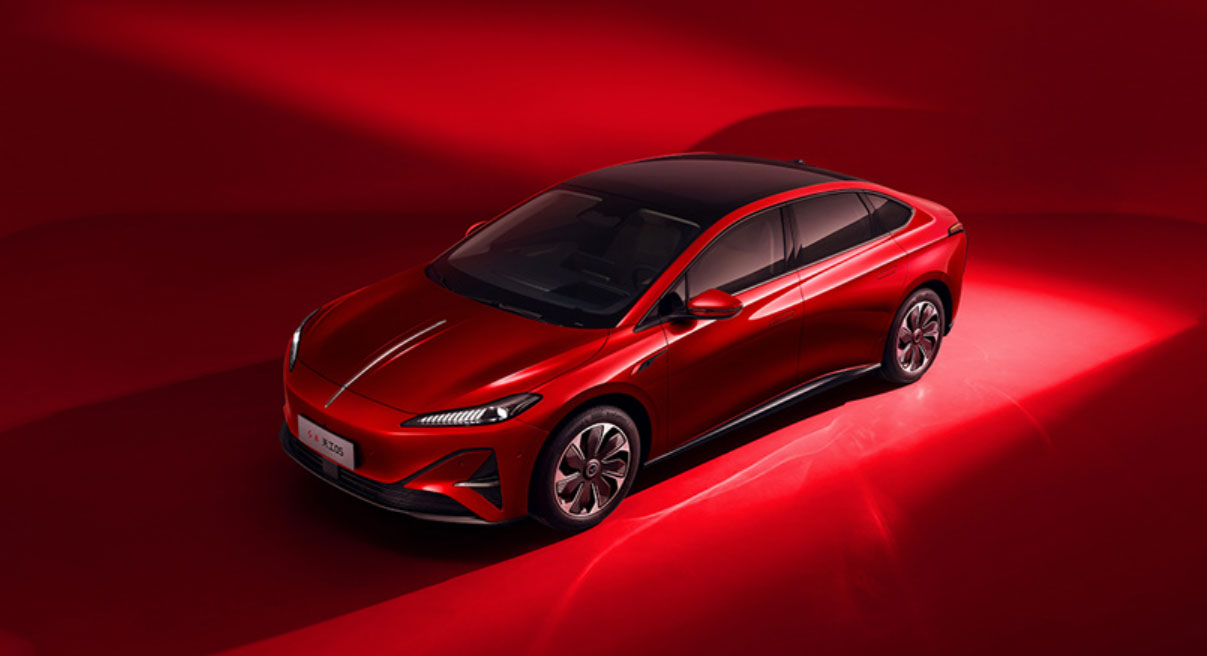
Jiang Wenhu, vice president of the Hongqi Brand Operation Committee at China FAW, said the automaker has completed trial production of a 66 ampere-hour solid-state battery cell and intends to integrate the technology into high-end Hongqi sedan and SUV models within the same timeframe. The project involves collaboration with 27 research institutions and industry partners.
See also: Chery to Launch All-Solid State Battery by 2026, Unveils Kunpeng Battery Brand
According to a July report by Soochow Securities, China FAW is adopting a technical route combining a high-nickel ternary cathode, a silicon–carbon anode and a sulfide electrolyte, targeting an energy density of about 375 watt-hours per kilogram. The sulfide pathway aligns with approaches taken by major Chinese battery makers such as CATL, Gotion High-Tech and CALB.
China’s solid-state battery industry remains in an early stage, with most companies focused on pilot testing and limited-scale production. However, timelines disclosed by manufacturers indicate that 2026–2027 could see a wave of small-batch vehicle integration. BYD, GAC Aion, CATL, Changan Automobile and SAIC Motor have all announced plans to advance pilot or early mass production during that period.
See also: China Builds First Large-Capacity Solid-State Battery Line as GAC Targets 2027–2030 Mass Production
Industry forecasts suggest the global solid-state battery market could reach 200 billion to 300 billion yuan by 2030, driven largely by demand from electric vehicles.


