



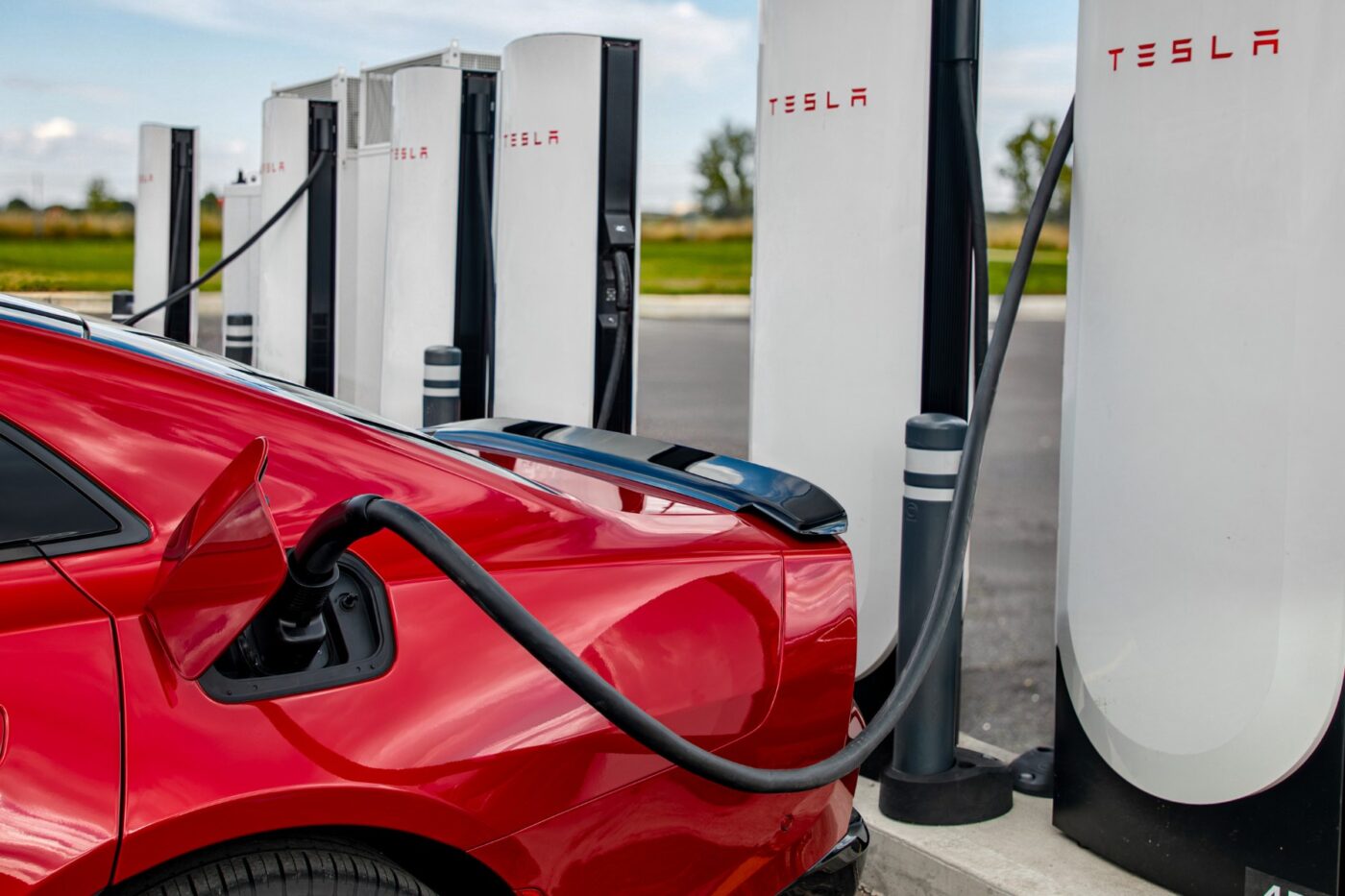
The City of Boston has sued the Trump administration over the U.S. Department of Transportation’s decision to revoke a $20 million federal infrastructure grant for a Roxbury project, saying the funding was cancelled partly because the plan included electric vehicle charging stations. Reuters reported that the grant, awarded in 2022, was withdrawn in September 2025 even though EV charging represented less than 1% of the project’s total cost.
Boston Challenges Grant Cancellation
The $20 million grant was awarded to Boston through the Rebuilding American Infrastructure with Sustainability and Equity (RAISE) programme to support the Roxbury Resilient Corridors project.
The nearly $34 million project covers improvements to Melnea Cass Boulevard, Malcolm X Boulevard and Warren Street in Boston’s Roxbury neighbourhood. Planned work includes road improvements, wider pavements, bus service upgrades, pedestrian infrastructure and EV charging stations.
The Department of Transportation informed Boston in September 2025 that the project no longer aligned with the agency’s priorities because it included EV charging infrastructure. The city says it subsequently offered to remove the charging stations from the project but the department still declined to restore the funding.
Boston filed the lawsuit in the U.S. District Court for the District of Massachusetts. The city argues that the Department of Transportation lacked authority to rescind the grant on the stated basis and alleges violations of the Administrative Procedure Act and constitutional separation-of-powers principles.
Mayor Criticises Federal Decision
Boston Mayor Michelle Wu said the city earned the competitive grant to address infrastructure needs in Roxbury and plans to challenge the federal government’s decision in court.
“Boston earned this competitive grant to meet community needs and address long-needed infrastructure upgrades,” Wu said in a statement.
“The City of Boston will continue to fight back against lawless federal attacks, and we urge the court to reverse the Trump administration’s illegal actions and restore these critical funds for Roxbury.”
The lawsuit is now pending in federal court, meaning the city’s allegations and the legality of the grant cancellation remain subject to judicial review.
RAISE Programme and Roxbury Project
The RAISE programme was established under the 2021 Infrastructure Investment and Jobs Act and provides federal support for transportation projects. The Roxbury project was awarded $20 million by the Biden administration in August 2022.
Boston says the Roxbury Resilient Corridors project is intended to improve transportation safety, accessibility and infrastructure in an area with significant traffic safety challenges.
The planned improvements include new sidewalks, bus stops and shelters, bus and bicycle lanes, lighting and other upgrades intended to change sections of the three roadways.
Broader Changes to EV Infrastructure Funding
The Boston case comes amid broader changes to federal transportation and electric vehicle infrastructure funding under the Trump administration.
In September 2025, the Department of Transportation also withdrew $2 million in federal funding for a separate Mattapan Square project in Boston. The agency said that project’s focus on walking, cycling and transit conflicted with its priorities for reducing roadway congestion and preserving or increasing capacity for motor vehicles.
Boston’s lawsuit follows another legal challenge involving federal transportation funding. Albuquerque has separately sued after the Department of Transportation withdrew an $11.5 million RAISE grant for an urban trail project, with that case still pending.
The legal disputes could determine the extent to which the federal government can revoke previously awarded transportation grants based on changes in agency priorities.


