





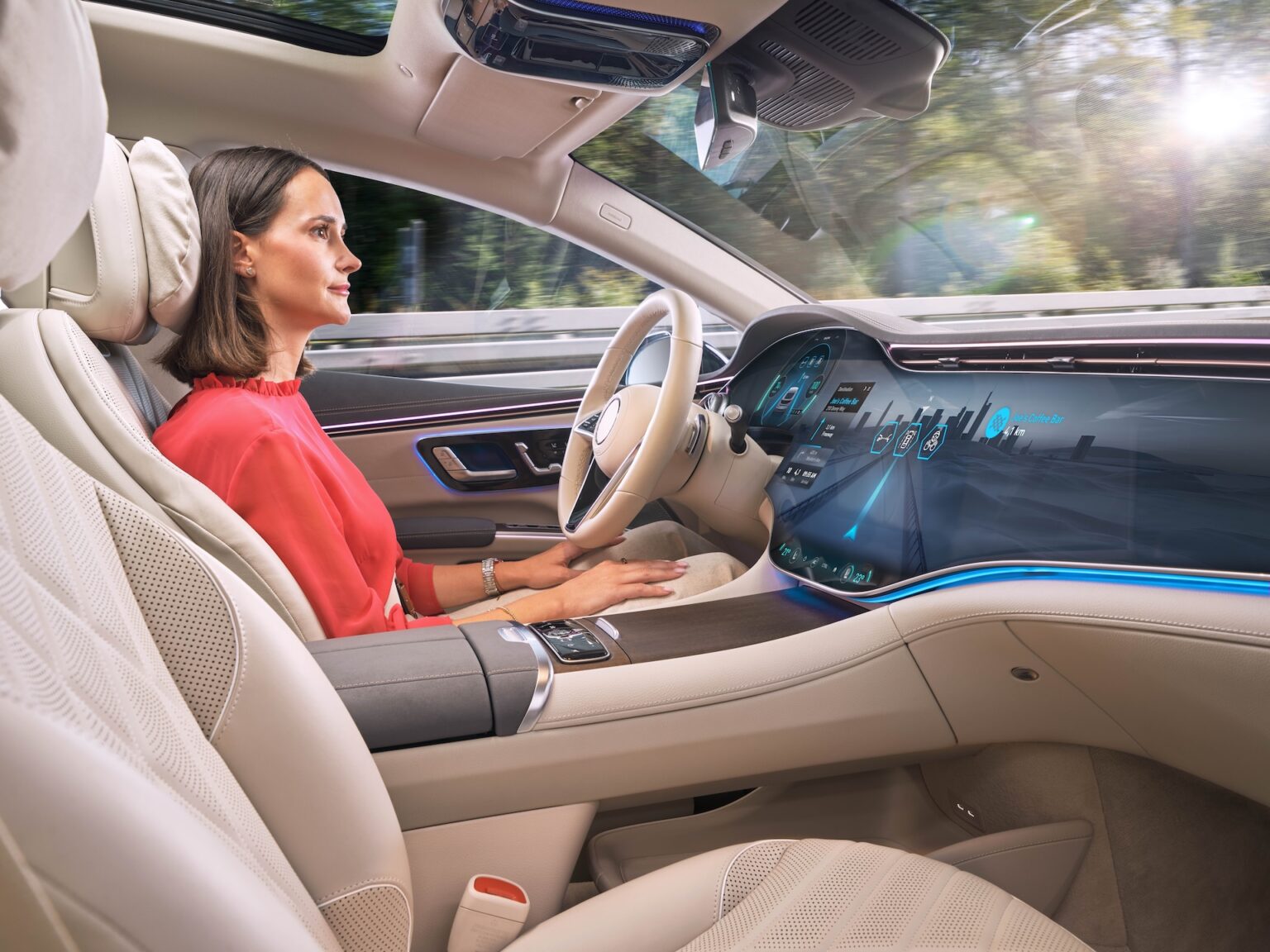
Bosch introduced its latest advancements in assisted and automated driving at Auto Shanghai, highlighting a series of innovations aimed at enhancing safety, comfort, and integration flexibility across all vehicle segments.
Among the key developments is a next-generation radar sensor, notable for being the first of its kind to feature a fully in-house designed system-on-chip (SoC) using RF CMOS technology. Built with 22-nanometer transistors, the chip delivers strong computational performance while maintaining energy efficiency, setting a new industry benchmark for radar-based perception systems.
See also: Fraunhofer, Porsche, and Bosch Unveil High-Efficiency Inverter for Broad EV Applications
The company also presented its newly modular Bosch ADAS product family, which offers a tiered architecture adaptable to entry, mid, and high-end vehicle platforms.

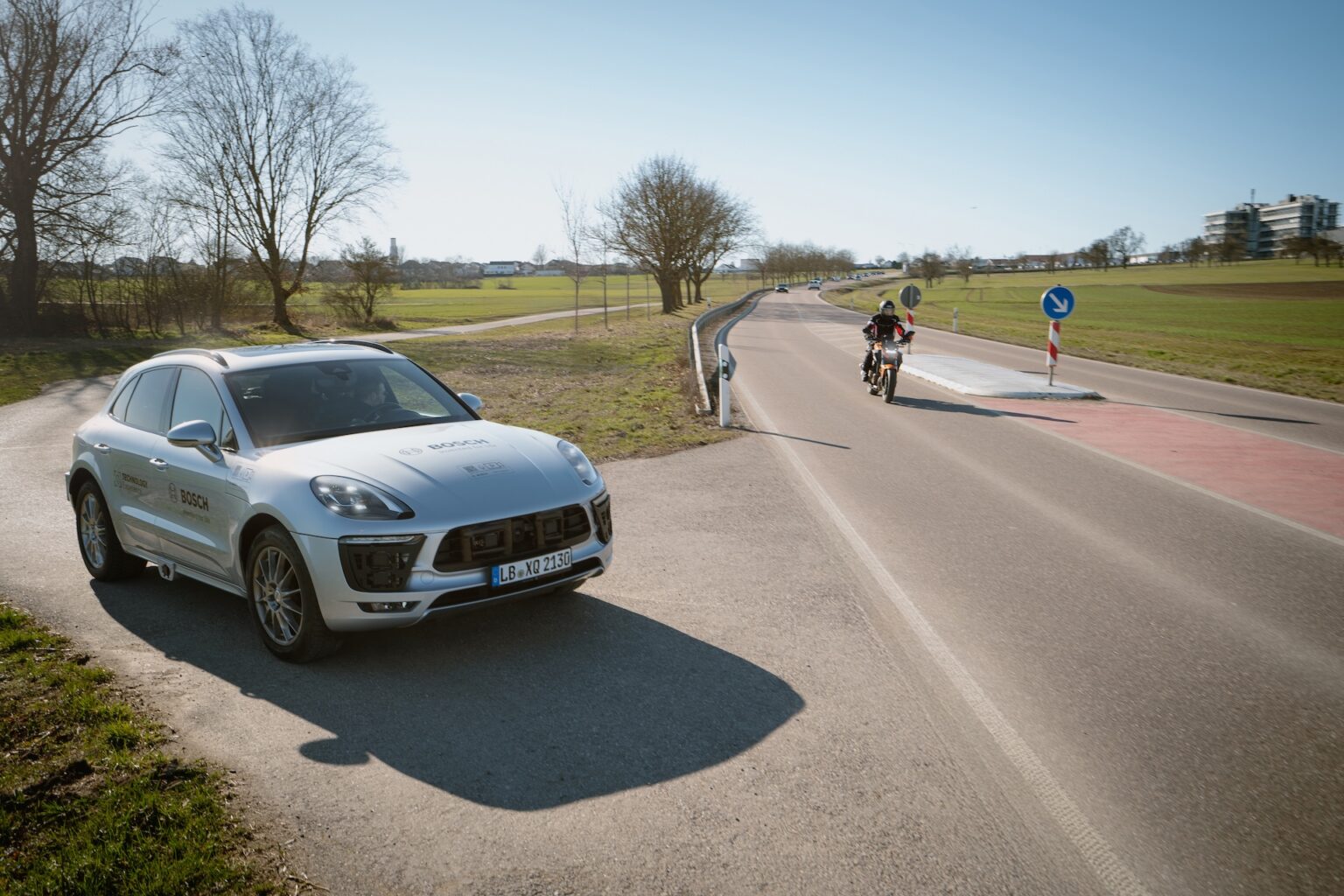
The entry-level version supports essential driver assistance functions such as adaptive cruise control and lane keeping. The mid-tier expands capabilities to include hands-free highway driving where permitted, while the high-tier system supports 360-degree video and urban navigation, tailored for complex traffic environments.
See also: Bosch Unveils 800-Volt Electric Drive for Construction Machinery at Bauma Trade Fair
This flexible design allows carmakers to customize and integrate solutions efficiently, depending on market needs and regulatory environments.
Bosch’s upgraded multi-purpose camera, now with 8-megapixel resolution and a wide-angle field of view, enhances core functionalities such as emergency braking and urban lane keeping. Acting as a central hub for sensor fusion, it plays a critical role in improving system intelligence and regulatory compliance.

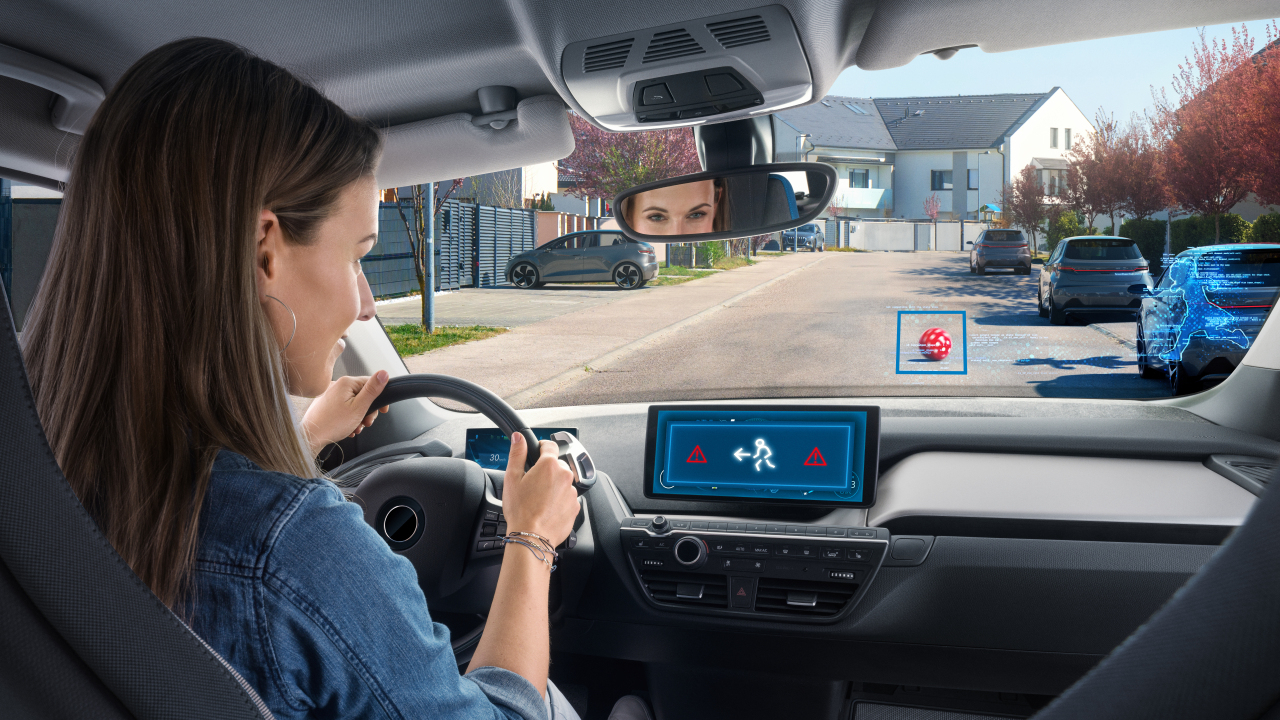
Complementing this is a new inertial sensor unit that enables high-precision vehicle localization, especially valuable in tunnels and other environments with poor satellite visibility. Integrated artificial intelligence further sharpens perception and planning functions, contributing to a more intuitive and responsive driving experience.
See also: Bosch Unveils New Theft Prevention and AI-Driven Features for E-Bike Batteries
Serial production of these technologies is expected to begin in mid-2025 with Chinese OEMs, underscoring Bosch’s growing role in the evolution of smart mobility.


