
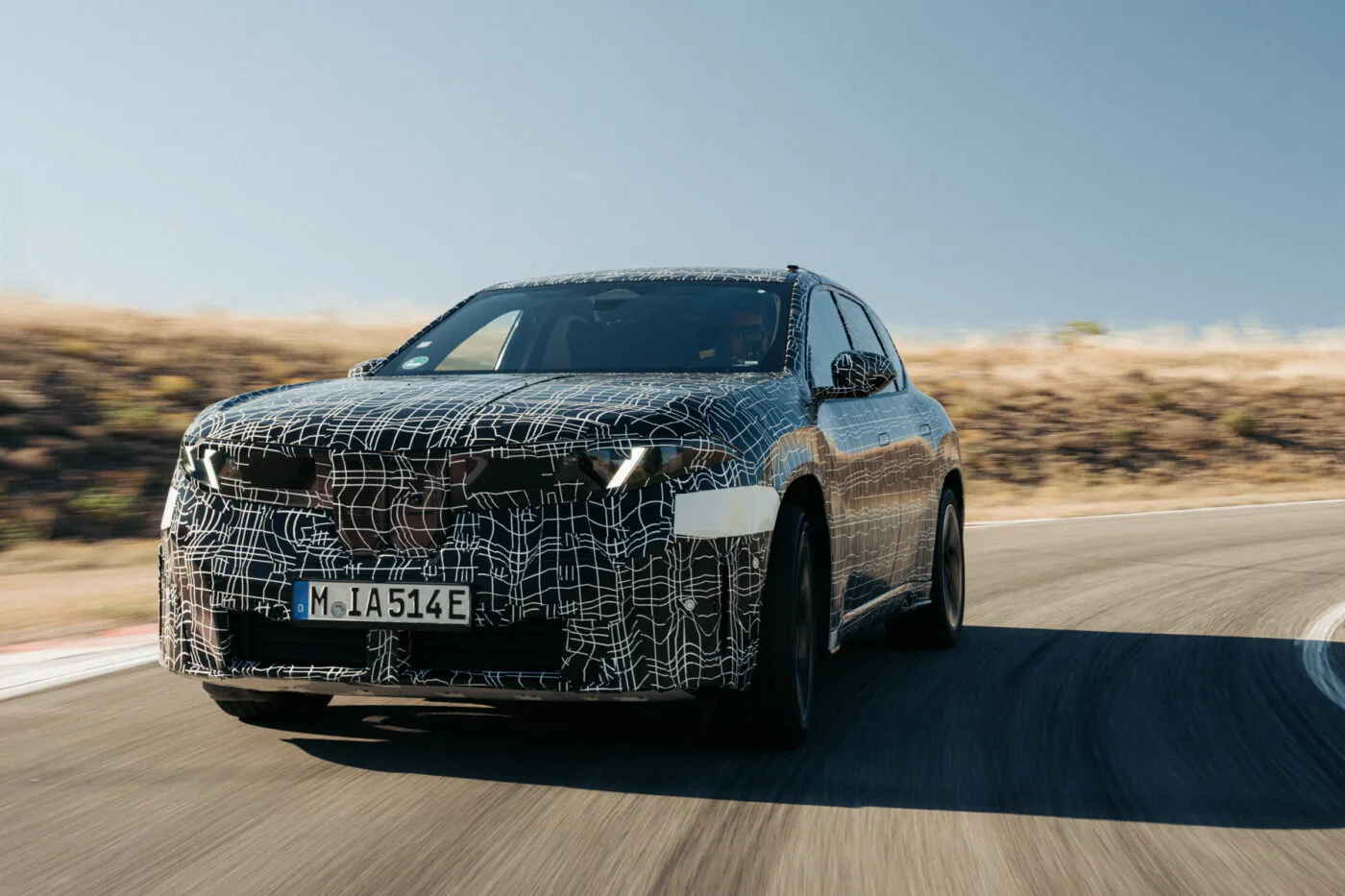
BMW said its new iX3, the first model based on the company’s Neue Klasse platform, will offset the carbon emissions generated during its production after roughly 21,500 kilometres of driving when charged using Europe’s standard electricity mix. If powered solely by renewable energy such as rooftop solar panels, the break-even point drops to around 17,500 kilometres, according to BMW’s WLTP-based consumption data.
“When charged using electricity from the European energy mix, the new iX3 50 xDrive emits fewer CO2 equivalents than a comparable combustion-engine model after around 21,500 kilometres,” BMW said. “If charged exclusively using renewable energy – such as solar power from a rooftop PV system – the break-even point drops to just 17,500 kilometres.”
The company said the model-specific data for the iX3 aligns closely with a study by the International Council on Clean Transportation (ICCT), which recently found that electric vehicles typically offset their carbon footprint after about 17,000 kilometres of use. From that point, battery-electric vehicles remain cleaner than petrol-powered cars for the remainder of their operational lifespan, which can extend up to 18 years on average.
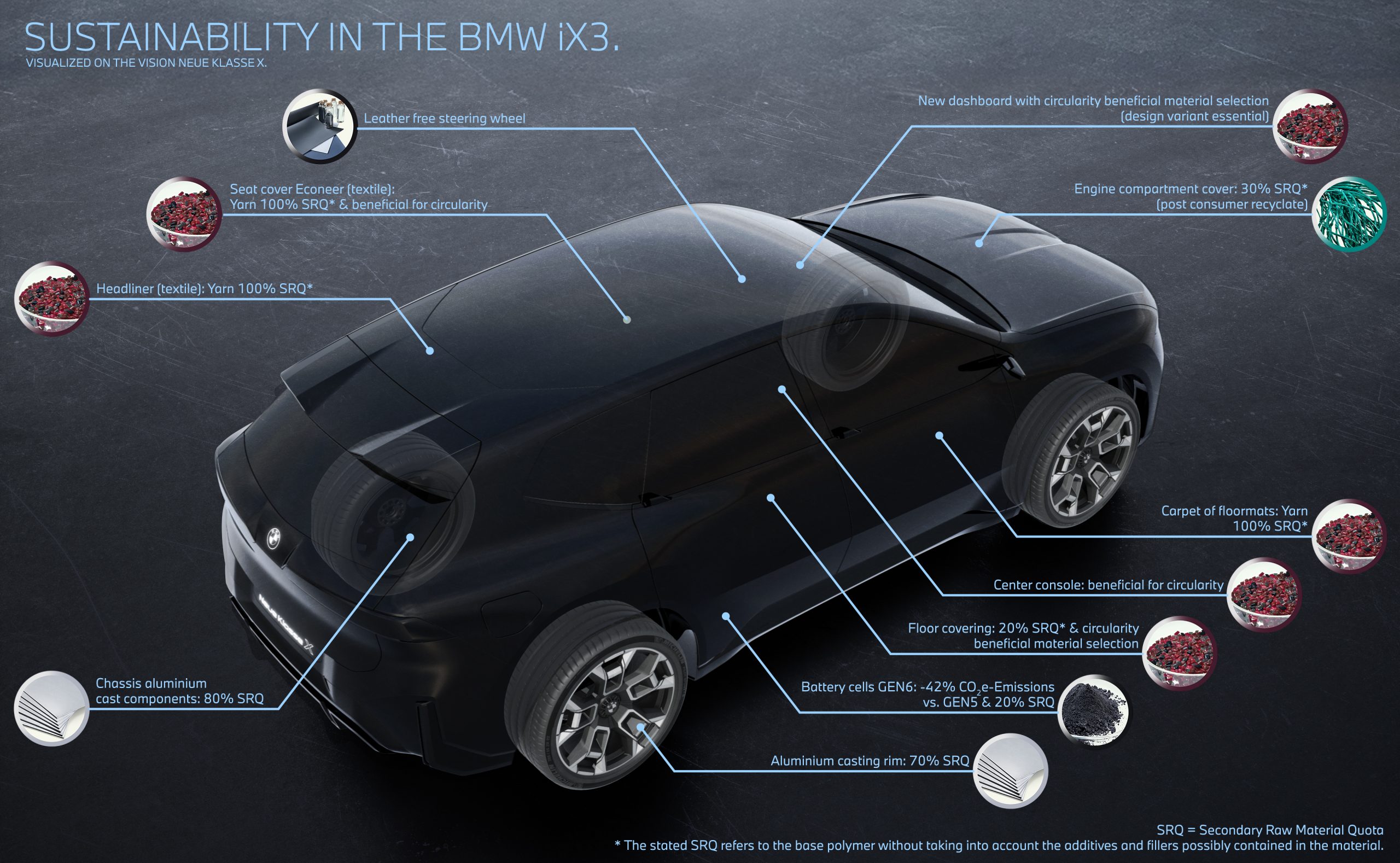
BMW attributes the iX3’s lower lifecycle emissions to “comprehensive measures along the supply chain, production and usage phase.” These measures include expanding the use of secondary materials, incorporating renewable energy in vehicle and battery production, and optimising efficiency across subsystems such as aerodynamics, rolling resistance, and power consumption. The carmaker said the Gen6 battery cells used in the iX3’s high-voltage storage system are made of “50% secondary cobalt, lithium, and nickel materials,” cutting CO2 emissions per watt-hour by 42% compared to the previous generation of cells.
The company also highlighted the role of recycled plastics and marine waste in its sustainability push. “The motor bay cover and front trunk pan are made from 30% recycled marine plastics – including fishing nets and ropes,” BMW noted. Beyond materials, the company’s Debrecen plant in Hungary, which will build the iX3, produces around 0.1 tonnes of CO2 per vehicle – roughly two-thirds lower than other BMW sites – with about a quarter of its energy supplied by on-site solar power.
The iX3 is also equipped with two electric motors for all-wheel drive and is expected to debut shortly before the IAA auto show. BMW indicated that a future rear-wheel-drive variant with a smaller battery could reach the carbon break-even point even earlier.
Looking ahead, BMW plans to provide each customer with a personalised CO2 footprint for their vehicle, integrating both supply chain emissions and real-world energy use. “The ‘My BMW’ and ‘Mini’ apps now display a vehicle’s individual CO2 footprint, based on both supply chain and production emissions, and actual customer energy use – not just WLTP consumption,” the company said.