
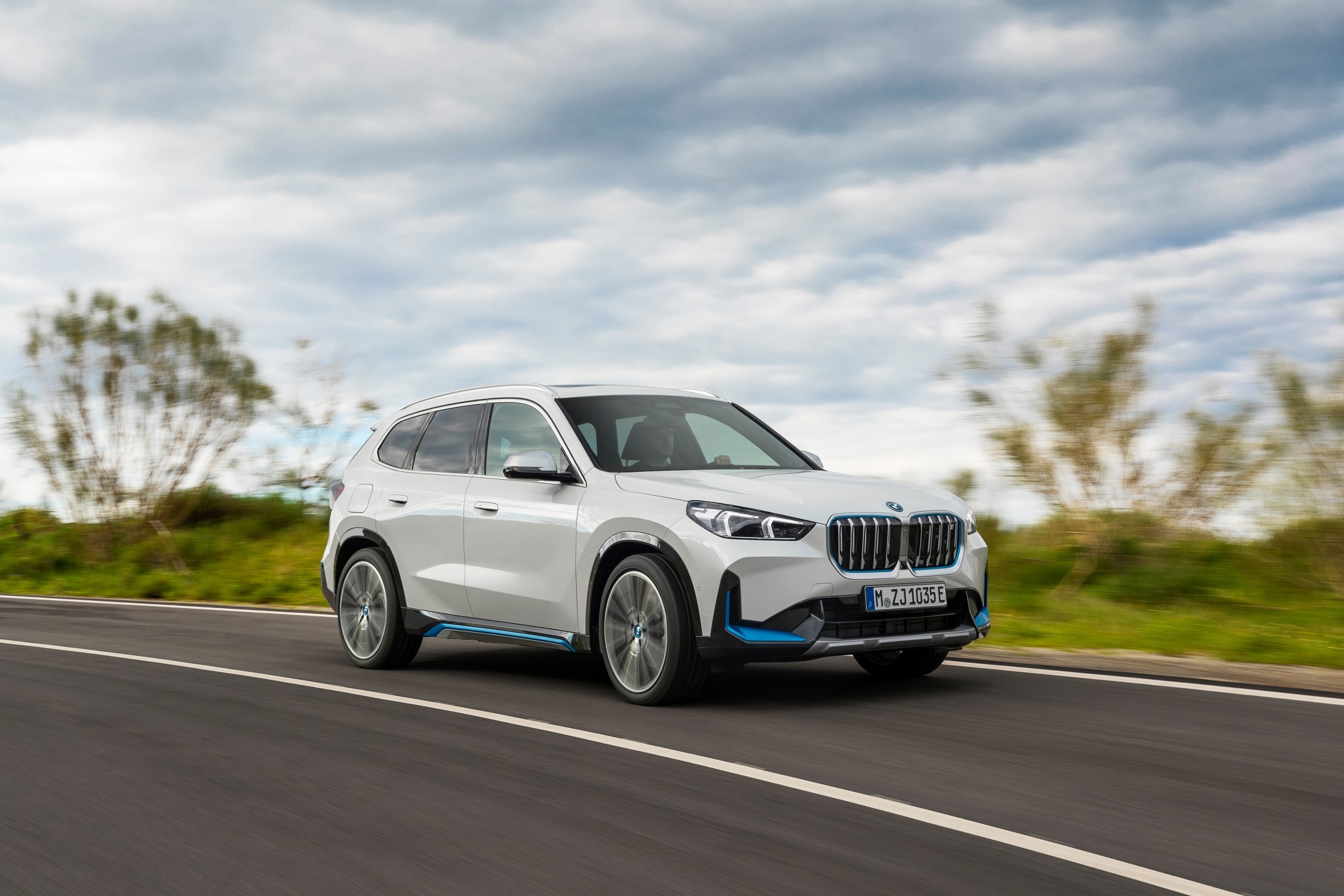
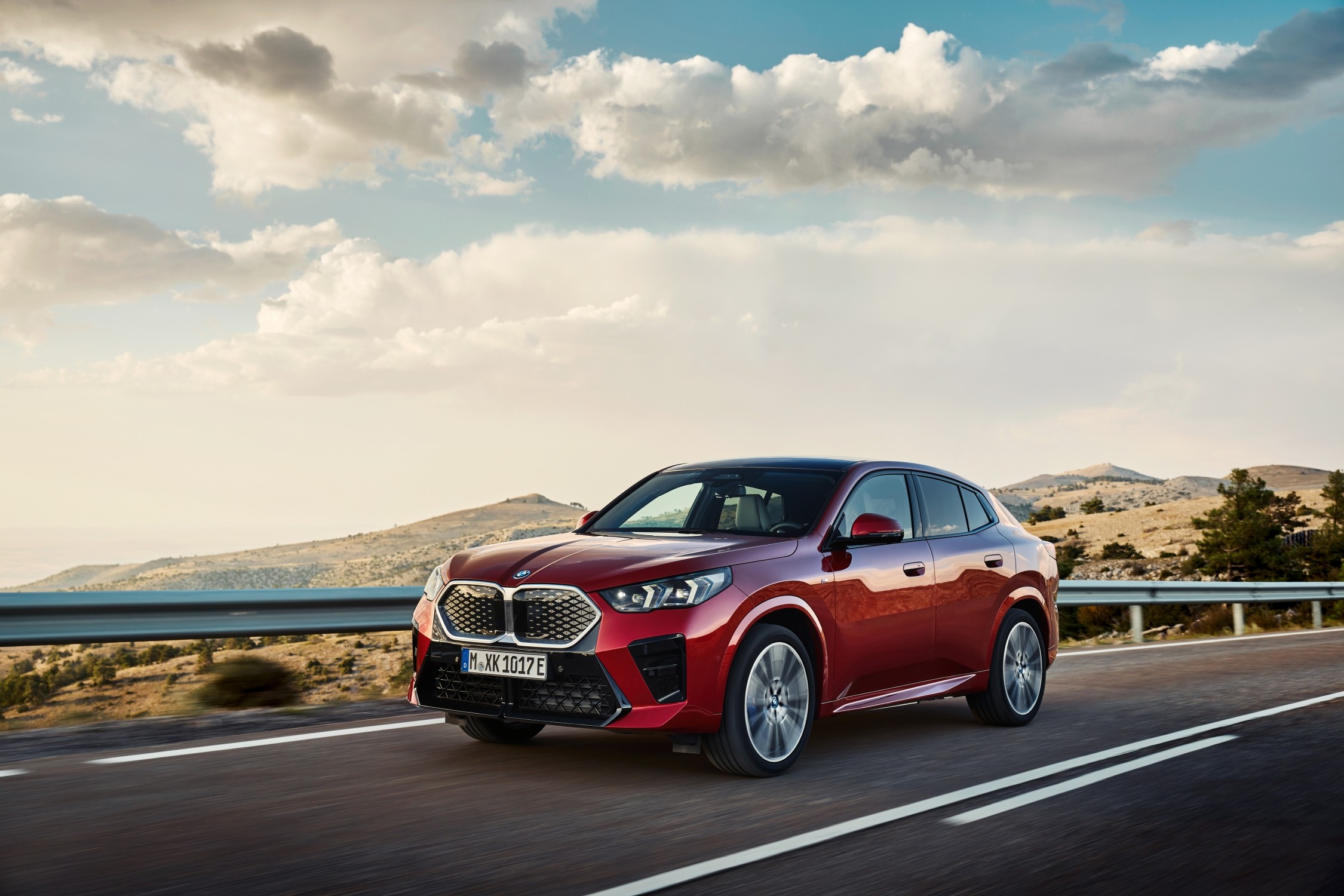
German automaker BMW said it will roll out a series of updates across its electric lineup from spring 2026, including efficiency improvements for the BMW iX1 and BMW iX2, and faster alternating-current charging for the new BMW iX3.
The iX1 and iX2, which are built at BMW’s plant in Regensburg, will receive new silicon carbide (SiC) semiconductor components in their inverters. BMW said the change reduces energy losses in power electronics and is expected to deliver a meaningful improvement in efficiency.
See also: BMW Begins Early Handovers of iX3 Electric SUV Ahead of March Europe Launch
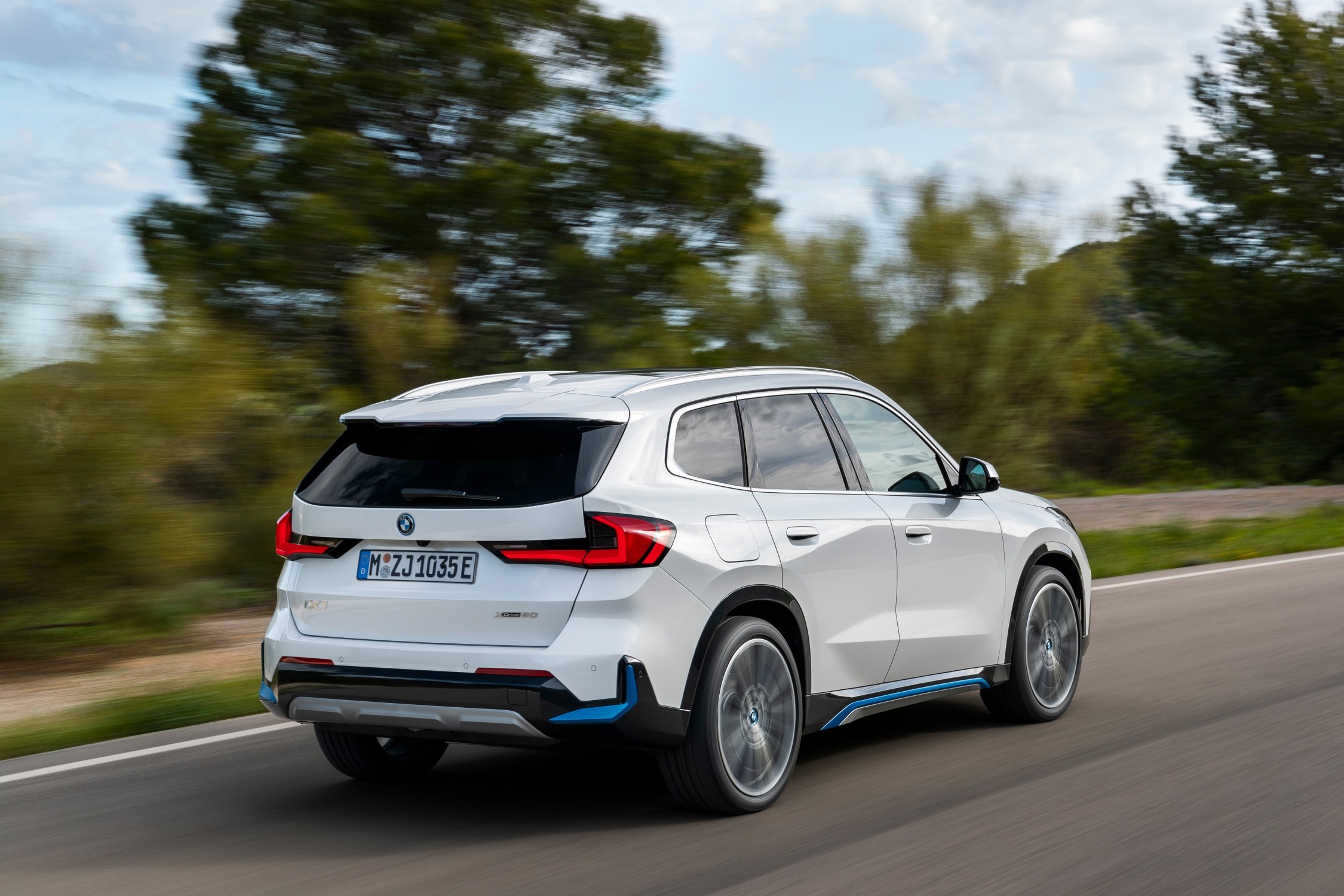
“By using SiC semiconductors in the power electronics, we can reduce losses during energy conversion and increase the vehicles’ range by a good 40 kilometres,” BMW said in a statement.
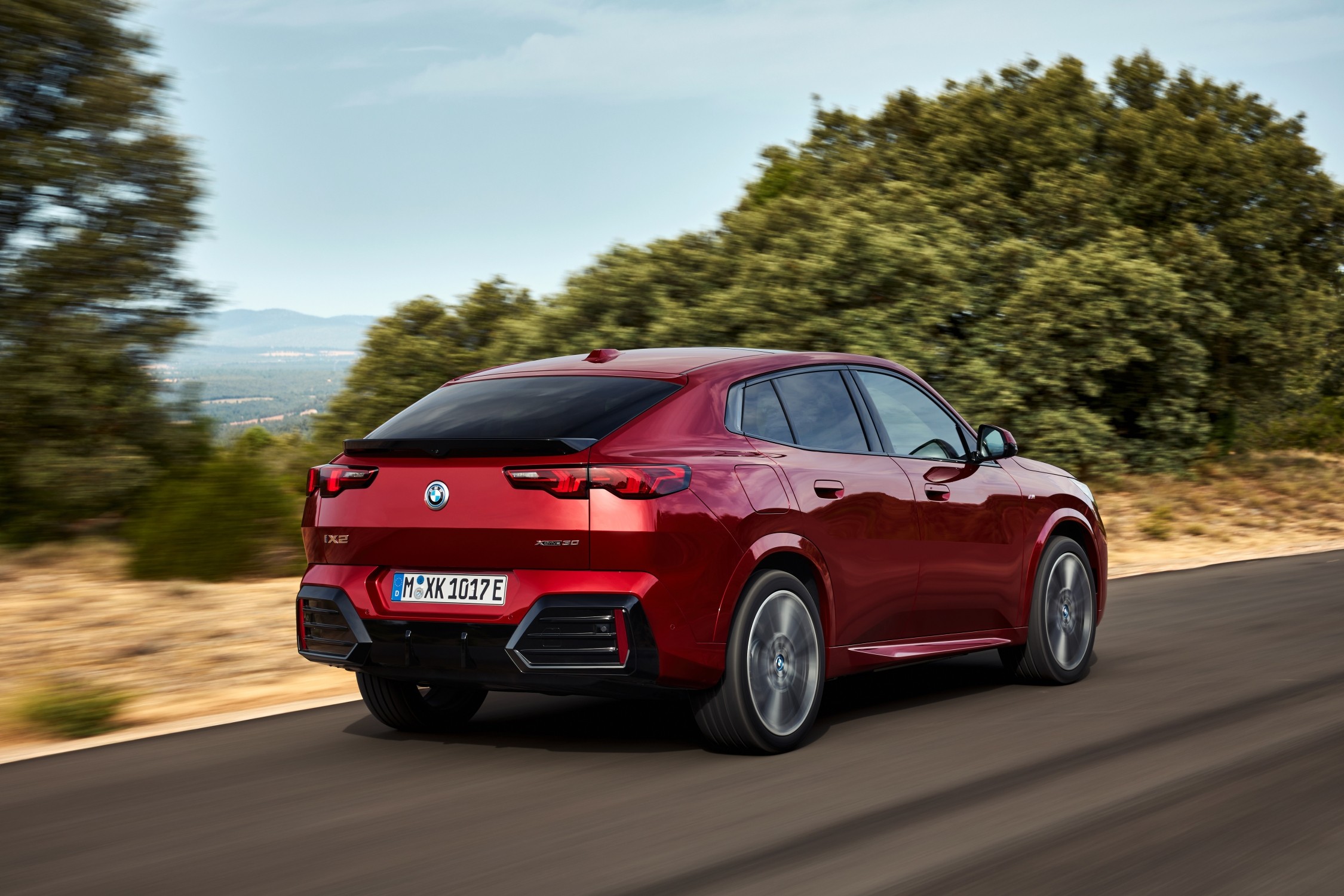
Despite the efficiency gains, BMW has not yet updated the official WLTP figures for the two models. The quoted ranges remain unchanged, with the front-wheel-drive iX1 eDrive20 listed at up to 461 km and the all-wheel-drive iX1 xDrive30 at up to 430 km. For the iX2, the corresponding figures are up to 474 km for the front-wheel-drive version and up to 449 km for the all-wheel-drive variant.
See also: BMW Launches 2026 iX1 Electric SUV In China With Equipment Upgrades
Unlike the recent update announced by BMW’s Mini brand for the electric Countryman, BMW did not disclose additional measures such as battery capacity increases, friction-optimised wheel bearings or aerodynamic refinements for the iX1 and iX2.
Ahead of its European market launch, BMW is also expanding the feature set of the iX3, the first production model based on the company’s Neue Klasse architecture. From spring 2026, the optional “AC Charging Professional” package will allow the iX3 to charge at up to 22 kW on alternating current, enabling a full charge of its 108 kWh battery in just over five hours.
See also: BMW iX3 Long Wheelbase Debuts Neue Klasse Platform With 900 km-Plus Range
BMW will also introduce a Vehicle-to-Load (V2L) function for the iX3, allowing the vehicle to supply external electrical devices with up to 3.7 kW of power. Additional changes include new exterior colour options and minor trim updates, as BMW refreshes the model’s specification ahead of broader Neue Klasse rollouts later in the decade.