




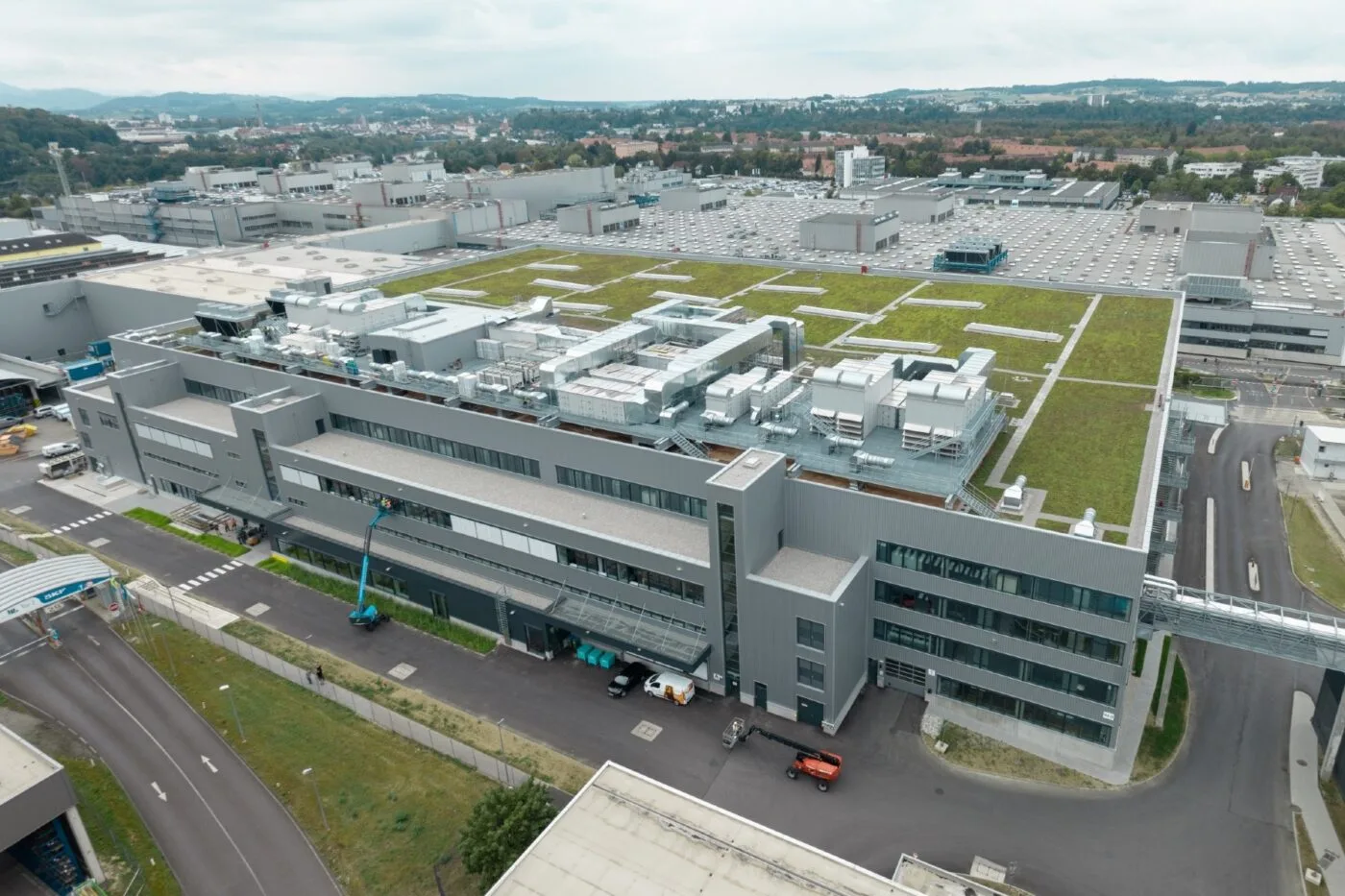
BMW is preparing for the large-scale production of electric drive systems at its Steyr facility in Austria to support its Neue Klasse series, though internal combustion engines (ICE) will continue to dominate the plant’s operations.
The company has installed just two electric drive production lines, compared to 13 for ICEs, according to information from German trade publication Automobilwoche.
BMW has confirmed the plant will supply over 600,000 electric drives annually for the Neue Klasse EV lineup, with the Steyr site playing a central role in both the development and manufacture of these systems for global markets, excluding China. The electric drive systems include both current-excited synchronous motors (SSM) and permanent magnet synchronous motors (PSM).
Line 1 is set to produce rear- and all-wheel-drive SSMs, targeting 200,000 units per year after ramp-up. Line 2 will handle the PSM drive system, with an expected annual output of 400,000 units. Series production is scheduled to begin in August, following earlier prototype builds.
While electrification is expanding, combustion engine production capacity at Steyr remains significantly higher. BMW has emphasized a strategy of flexibility, with plant manager Klaus von Moltke saying the setup allows the company to “go through all possible scenarios” and adapt quickly to fluctuating market conditions.
The first production vehicles in the Neue Klasse range are being tested at BMW’s Hungarian facility, with the all-electric iX3 slated for its full production debut in September 2025 at the IAA Mobility show in Munich. The model is expected to feature high-speed charging of up to 400 kW and incorporate BMW’s sixth-generation high-voltage battery technology.


