
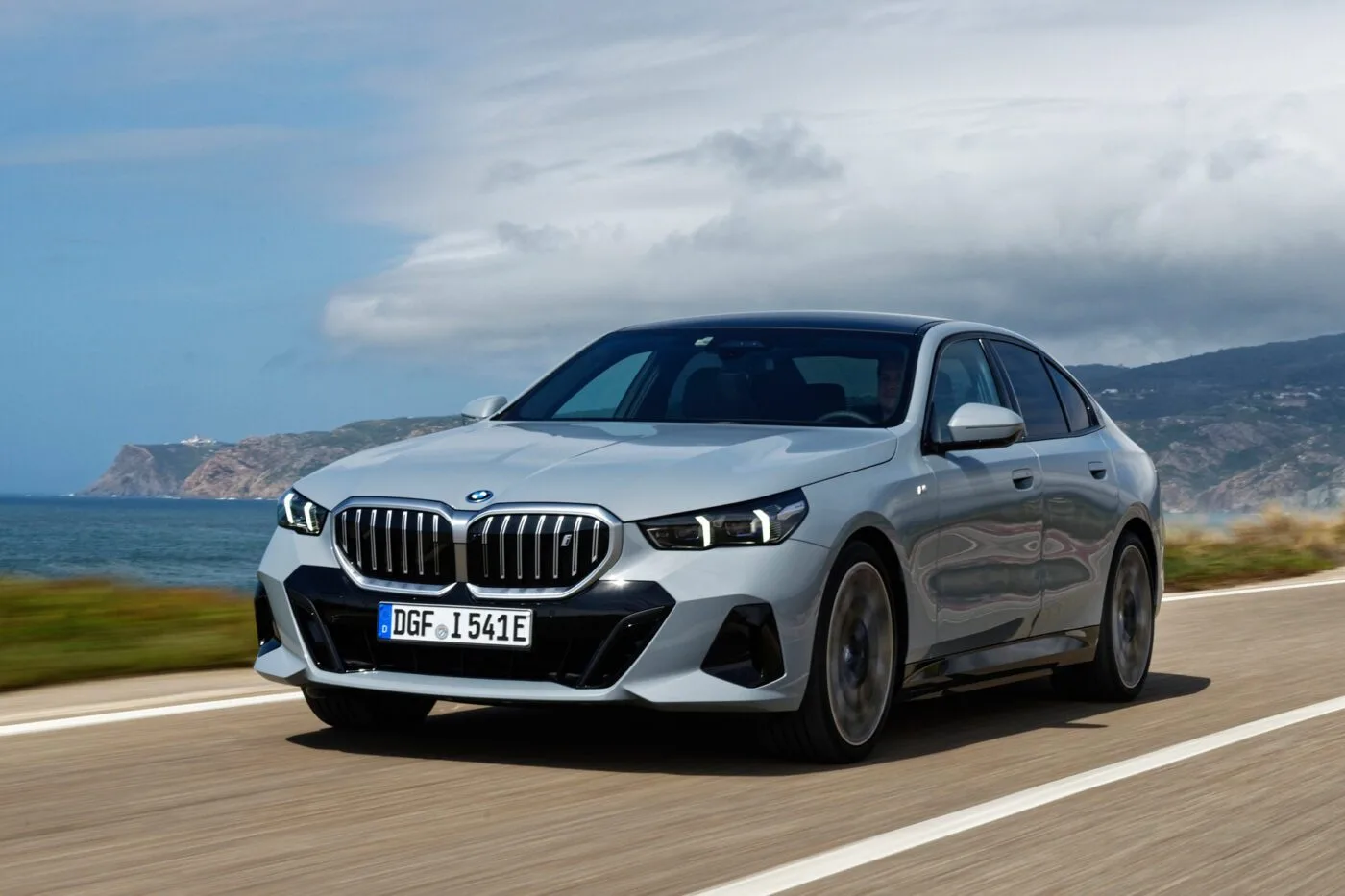
BMW Group Malaysia has begun sales of its first locally assembled electric vehicle, the BMW i5, marking a milestone in the automaker’s electrification strategy in Southeast Asia. The move makes Malaysia one of the first markets in the region to produce the electric sedan locally, with a second EV model, the BMW iX1, set to follow later this year.
The i5 eDrive40 is now being assembled at BMW’s plant in Kulim, Kedah, operated in partnership with Inokom, a subsidiary of the Sime Darby Group. BMW has operated the facility since 2008, producing vehicles for the local market using completely knocked down (CKD) kits shipped from overseas plants.
According to BMW Blog, local assembly allows the i5 to be priced at roughly $8,000 less than previously imported units, reflecting lower duties and logistics costs. The Malaysia-built version also features market-specific specifications, including the M Sport Pro Package as standard.
BMW’s Malaysian rollout forms part of a broader expansion of electric vehicle production across the Asia-Pacific region. In China, the i5 is produced by BMW Brilliance Automotive at its Dadong plant in Shenyang, where it is offered in a long-wheelbase variant tailored to local preferences. BMW Blog has also reported that the long-wheelbase i5 could be assembled in the future at BMW’s Chennai plant in India for that market.
Globally, the BMW i5—internally known as the G60—remains part of BMW’s core electric lineup and is expected to receive a mid-cycle facelift in 2027, including design updates and the introduction of the iDrive X interface.
BMW’s manufacturing model relies primarily on its own production facilities, supplemented by contract manufacturing and local partnerships in selected markets. In Malaysia, assembly at Kulim runs alongside production of conventionally powered BMW saloons and SUVs, supporting the brand’s mixed powertrain strategy as EV adoption grows.
According to Just Auto, BMW Group Malaysia sold around 10,800 vehicles in the country in 2025, with locally assembled models accounting for about 7,000 units. The addition of locally produced electric vehicles is expected to further strengthen BMW’s position in Malaysia’s premium automotive segment as competition in EVs intensifies.