



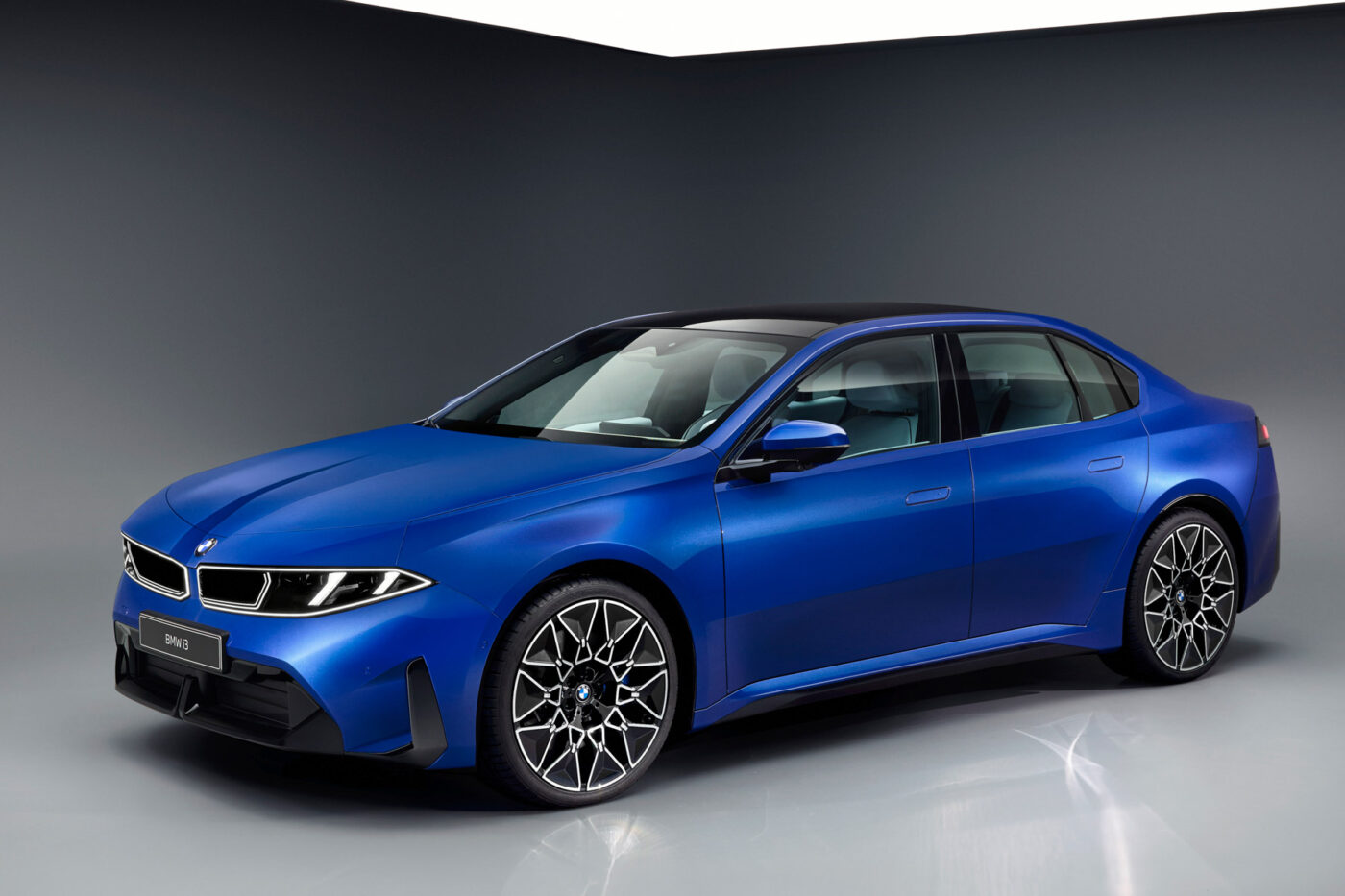
BMW is set to revive the i3 nameplate as a fully electric version of its core 3 Series lineup, marking a shift from its earlier experimental EV approach to a mainstream, high-volume model built on its new Neue Klasse architecture.
The original BMW i3, launched under the company’s “Project i” initiative, was a pioneering electric vehicle featuring a dedicated platform and carbon-fibre construction. According to outgoing chief executive Oliver Zipse, lessons from that programme have helped position BMW competitively in the transition to electric mobility.

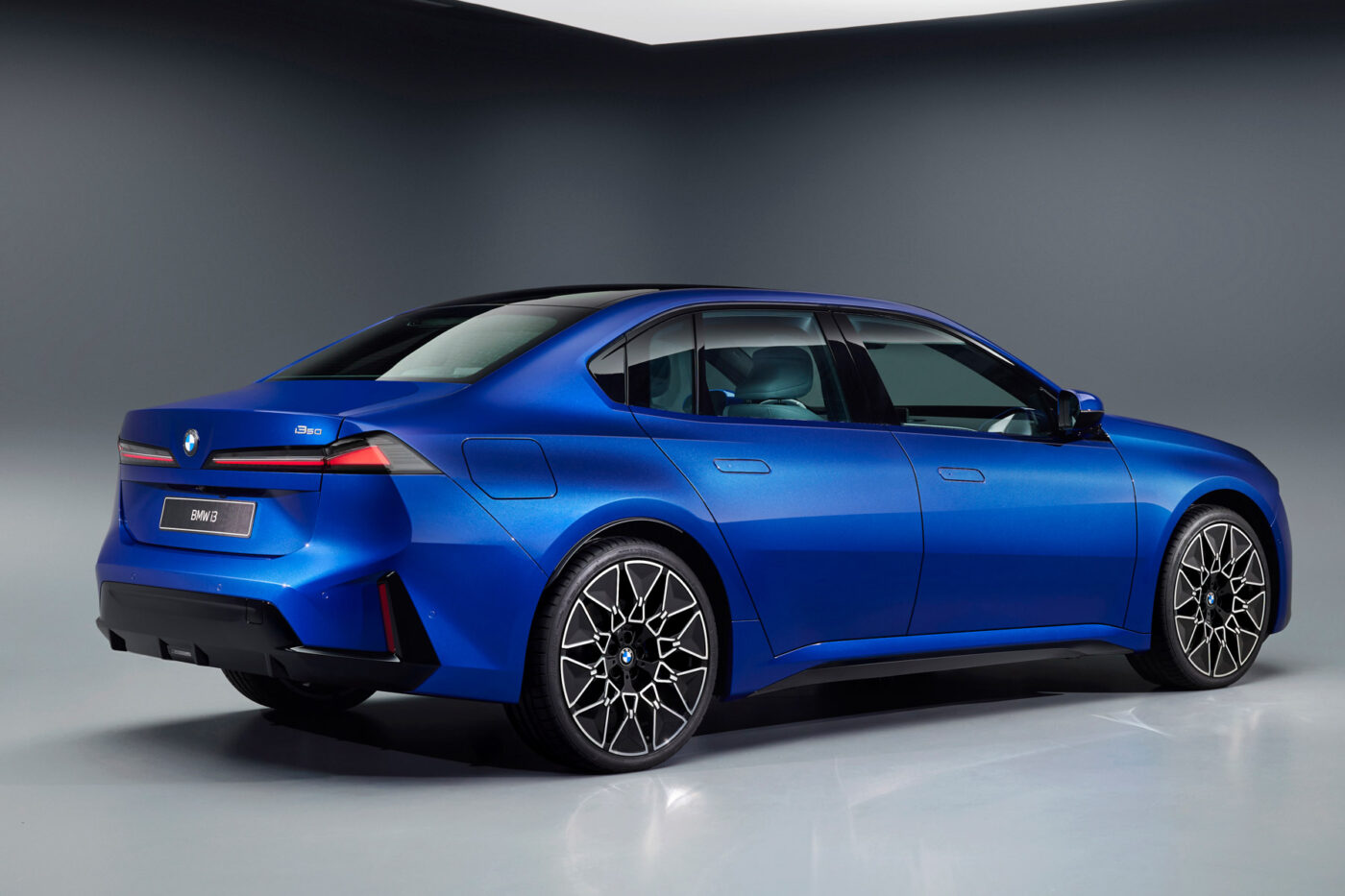
The new i3, however, is designed as a central pillar of BMW’s product range rather than a niche experiment. Positioned as the electric interpretation of the long-running 3 Series, the model is expected to play a key role in the brand’s future lineup while maintaining the performance-oriented identity associated with the nameplate.
The production model closely follows the design language introduced with the Vision Neue Klasse concept, first revealed in 2023. While certain elements have been refined for production, key features such as the integrated lighting signature—where the headlights and kidney grille form a unified visual element—have been retained. The vehicle also adopts proportions typical of the 3 Series, including a long wheelbase, short overhangs and a wide stance.
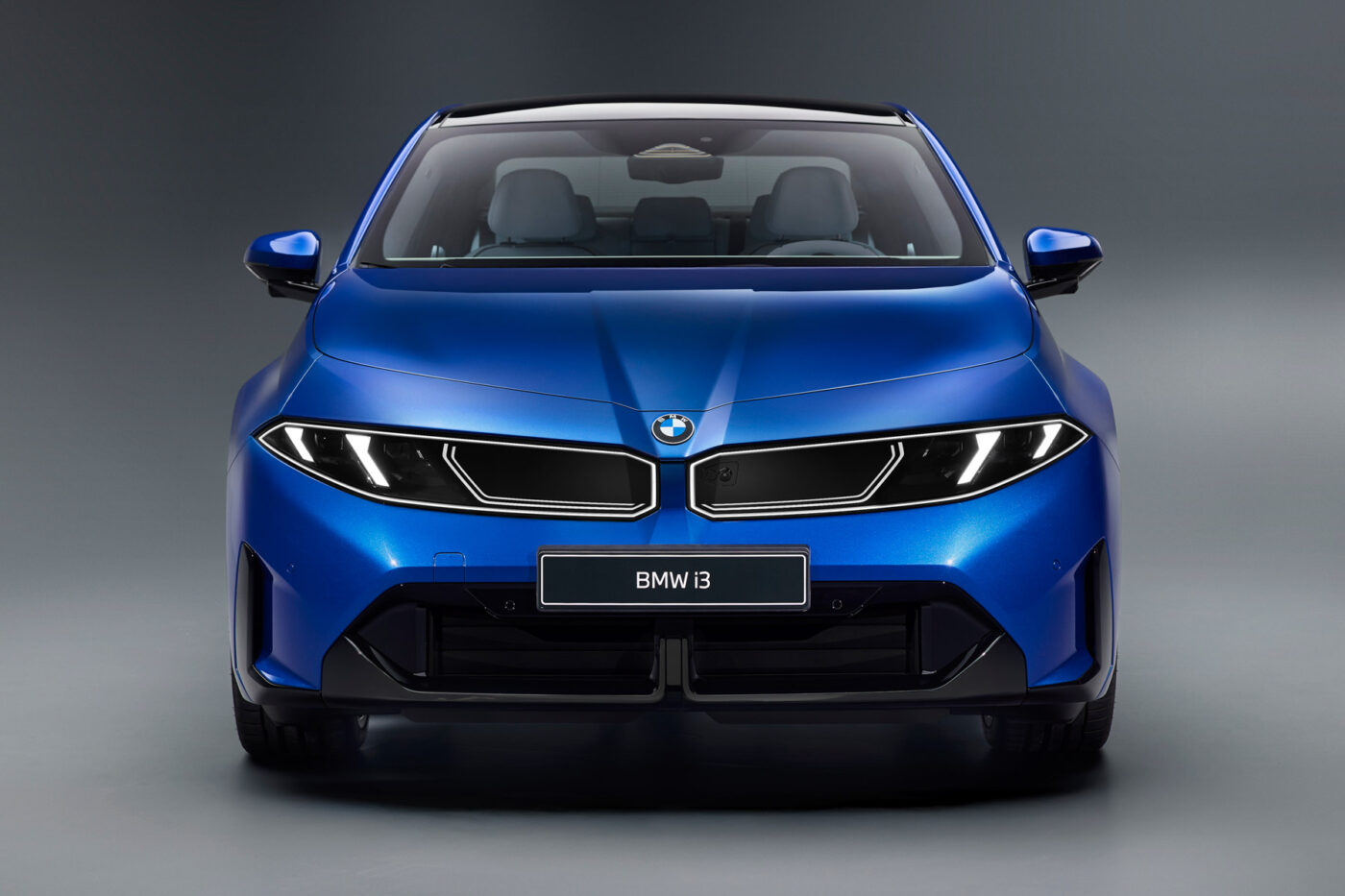
BMW said the i3 is engineered to redefine driving dynamics for electric vehicles, supported by a new control system referred to as the “Heart of Joy,” which manages drivetrain and handling functions with significantly increased processing speed.
The initial variant, the i3 50 xDrive, will feature dual-motor all-wheel drive delivering up to 345 kW of power and 645 Nm of torque. The system combines a rear-mounted electrically excited synchronous motor with a front-mounted asynchronous motor, balancing efficiency and performance.

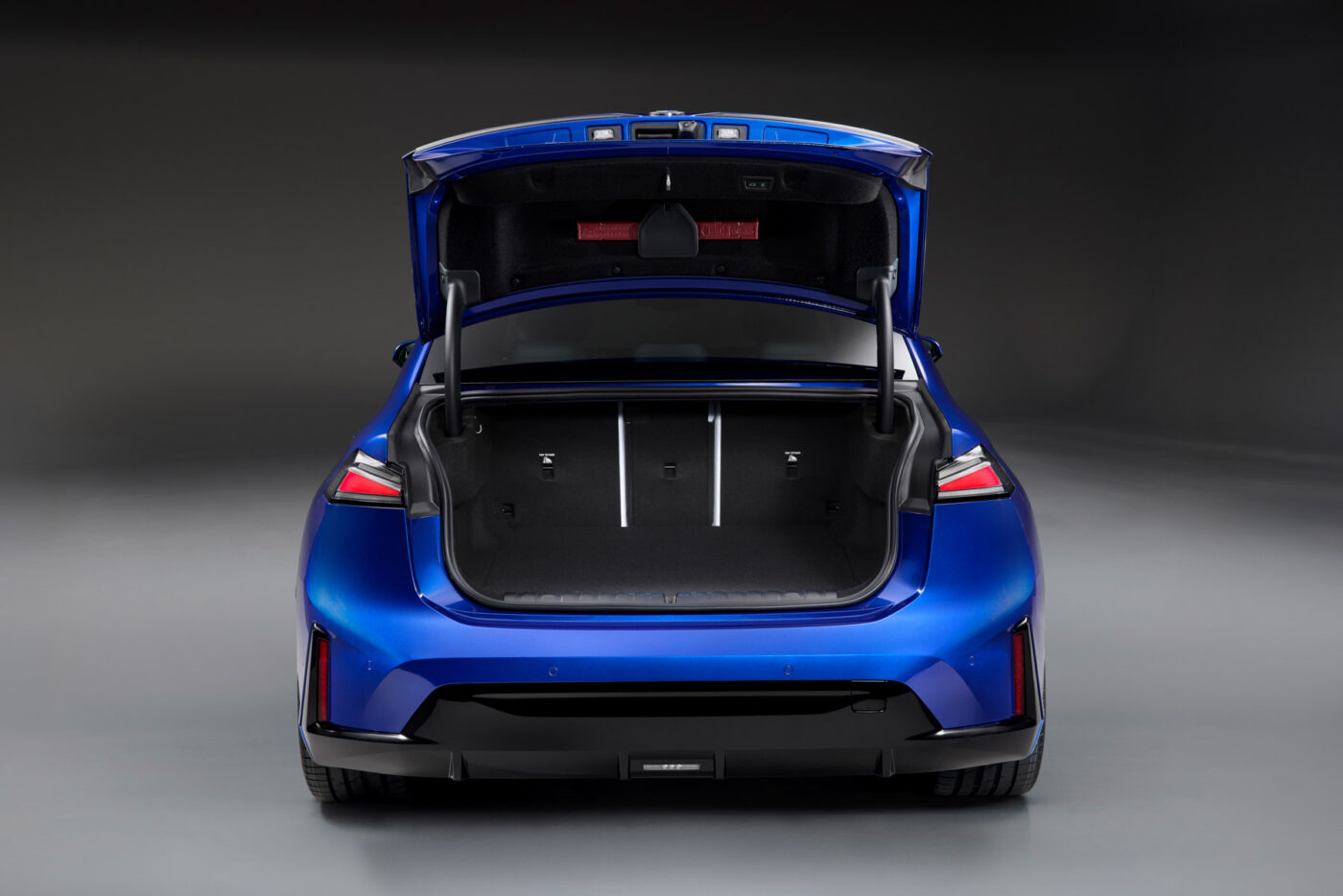
The model is expected to offer a driving range of up to around 900 kilometres under WLTP standards, although final figures are yet to be confirmed. The extended range is enabled by BMW’s sixth-generation battery technology, which uses cylindrical cells in a cell-to-pack configuration and is based on an 800-volt architecture.
Charging performance is also expected to improve significantly, with peak DC charging rates of up to 400 kW. Under optimal conditions, this could allow the vehicle to gain up to 400 kilometres of range in around 10 minutes.
In addition to performance and efficiency improvements, the i3 will support bidirectional charging capabilities, including vehicle-to-load, vehicle-to-home and vehicle-to-grid functions.
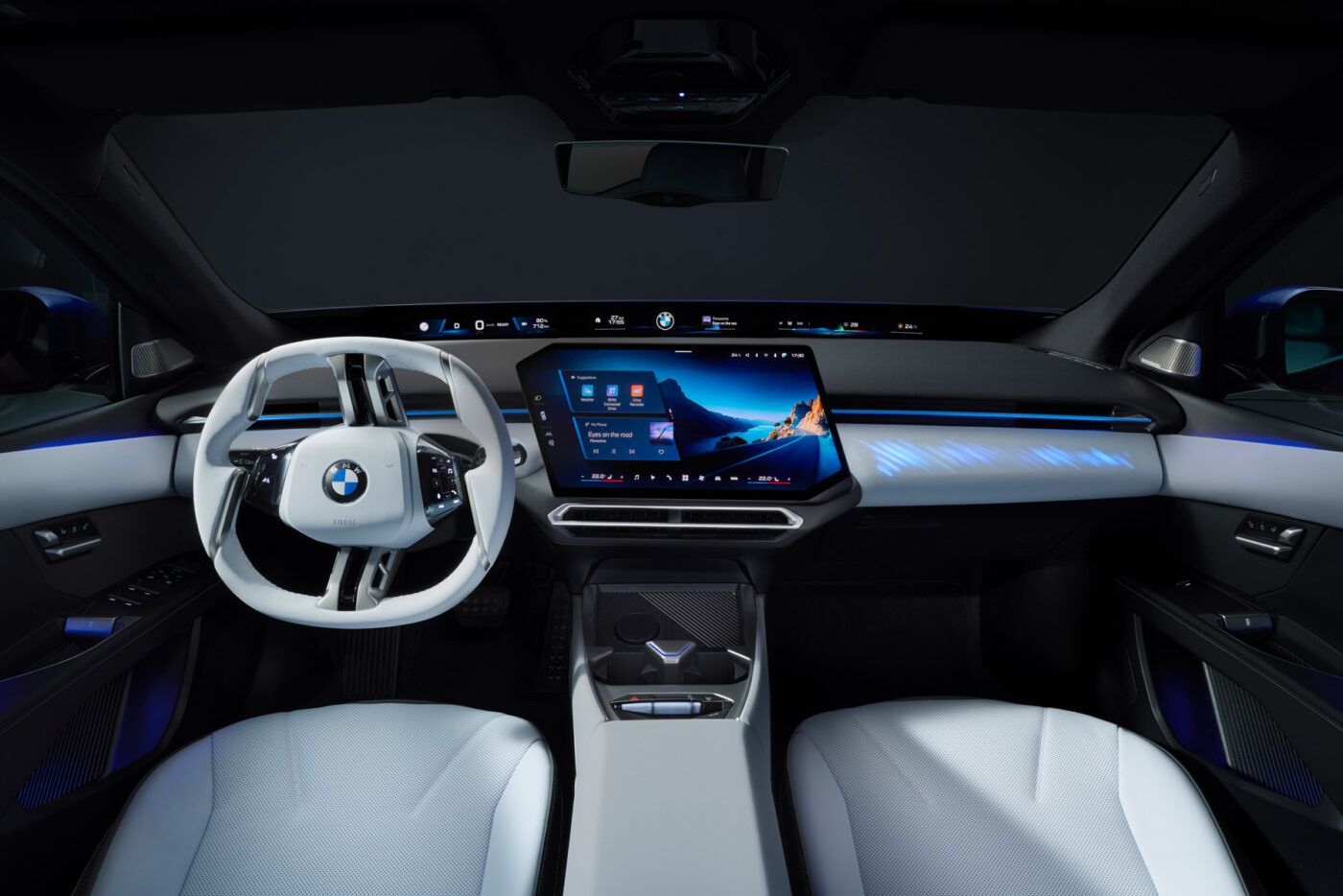
Inside, the model adopts BMW’s latest digital interface, featuring a panoramic display integrated along the base of the windscreen, combined with a central touchscreen and advanced connectivity features. Despite these updates, the company emphasised that driving dynamics remain central to the vehicle’s identity.
“The i3 is new, but it remains what a 3 Series BMW is and what our customers expect: the ultimate driving machine,” said Oliver Zipse.
BMW also confirmed plans to introduce additional variants, including an i3 Touring estate version, as part of its broader electrification strategy.