


BMW is advancing plans to launch its first series-production hydrogen fuel cell model in 2028, with development and supply chain preparations already underway in Bavaria and Austria.
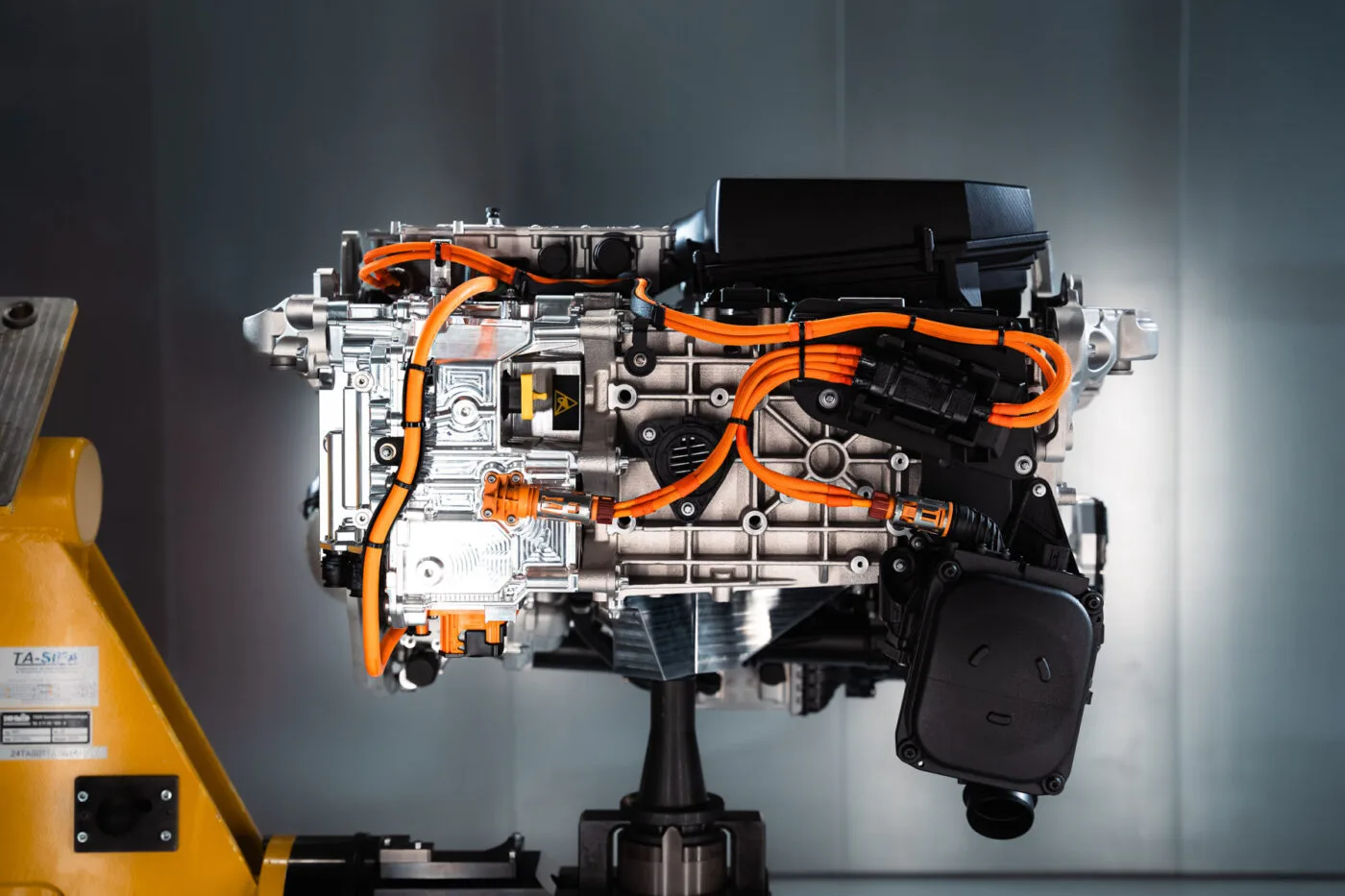
The German manufacturer said prototype fuel cell systems are currently being assembled at competence centres in Munich and Steyr. These early units are intended to validate assembly and testing processes, with a focus on industrialisation, quality assurance and scalability. “Prototype production is currently focused on development and validation of the assembly and testing processes, with particular attention paid to industrialisation, quality assurance and scalability in the longer term,” BMW said.
The new fuel cell powertrain is being co-developed with Toyota, marking the third phase of their collaboration. While Toyota supplied complete systems for early trials and later only individual fuel cells, BMW has since taken responsibility for building the full system. “For the new generation, the BMW Group and the Toyota Motor Corporation jointly develop the powertrain system for passenger vehicles, with the core fuel cell technology creating synergies for both commercial and passenger vehicle applications,” the company said.
BMW says efficiency and power density will increase substantially compared to the iX5 Hydrogen pilot fleet, with the new system requiring 25% less installation space and offering improved real-world range and performance. Specific technical data, such as stack output or hydrogen tank capacity, have not yet been disclosed.
Production of key components will be split across multiple sites. The Steyr plant in Austria will host new test benches and production facilities for electric drive units, while Landshut in Germany will supply hydrogen-specific components, including the “BMW Energy Master” control unit. From mid-2026, prototypes of this system will be built in Dingolfing before full series production starts at Landshut.
“We are proud to be producing another innovative drive technology at Plant Steyr in future alongside the latest generation of electric motors and combustion engines,” said Klaus von Moltke, Senior Vice President Engine Production at BMW AG. “This, together with the development expertise we have available on-site, makes our plant a prime example of the BMW Group’s technology-open approach.”


