

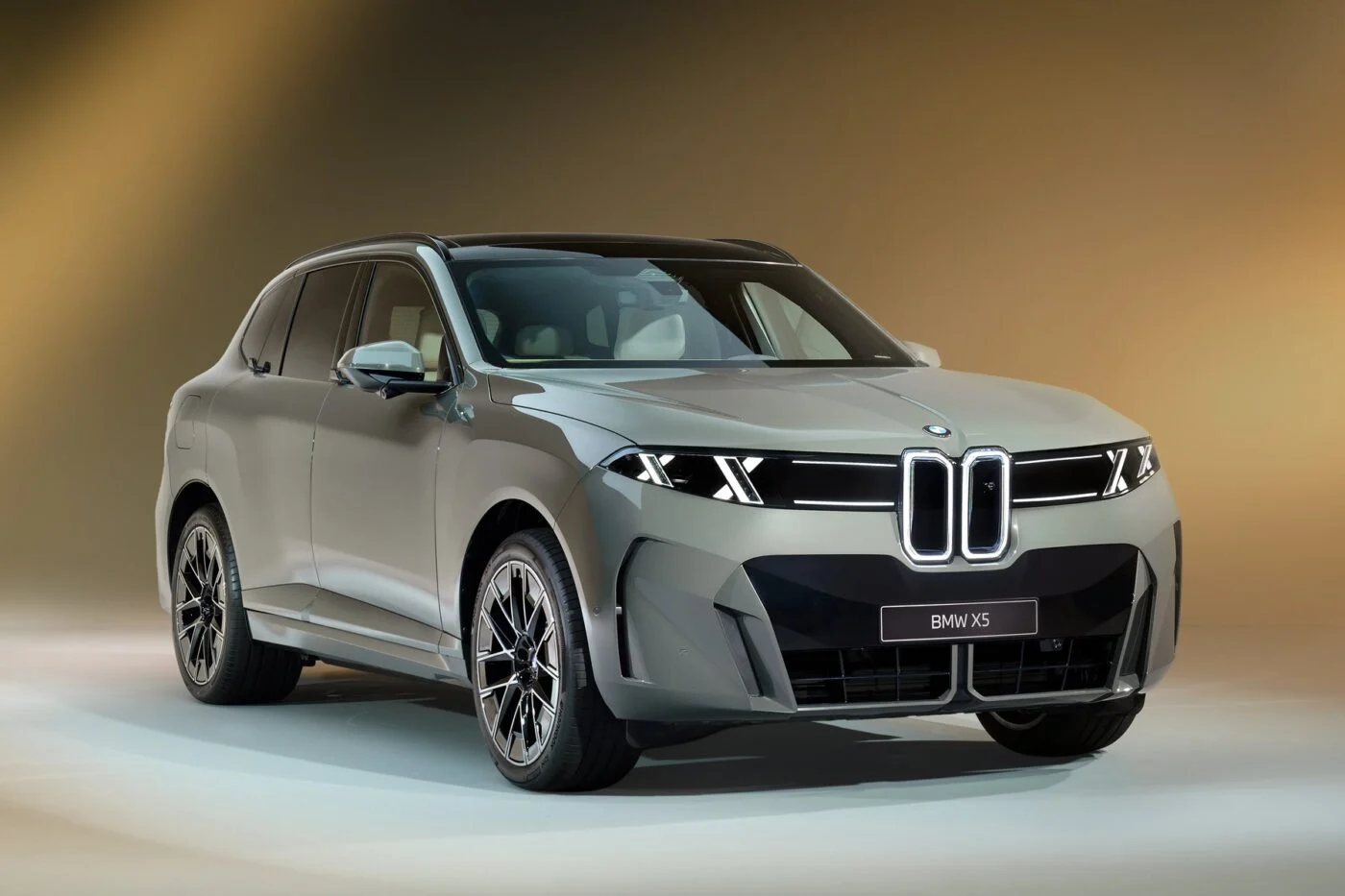
BMW has unveiled the all-electric iX5, introducing a battery-powered version of its long-running X5 SUV for the first time as the automaker continues to expand its electric vehicle lineup.
Production of the iX5 is scheduled to begin in August at BMW’s Spartanburg, South Carolina, manufacturing plant, with the vehicle serving global markets.
Up to 845 km of Driving Range
The iX5 is powered by a 141 kWh battery and will initially be offered as the iX5 60 xDrive.
The dual-motor all-wheel-drive system delivers 425 kW of combined output and 805 Nm of torque, enabling the SUV to accelerate from 0 to 100 km/h in 4.6 seconds.
BMW estimates a driving range of 645 km to 845 km (WLTP) depending on wheel and equipment specifications, with energy consumption rated between 20.1 kWh and 23.9 kWh per 100 km.
The electric SUV also offers a towing capacity of 2,700 kilograms, targeting customers who regularly tow trailers, boats or caravans.
High-Power Charging
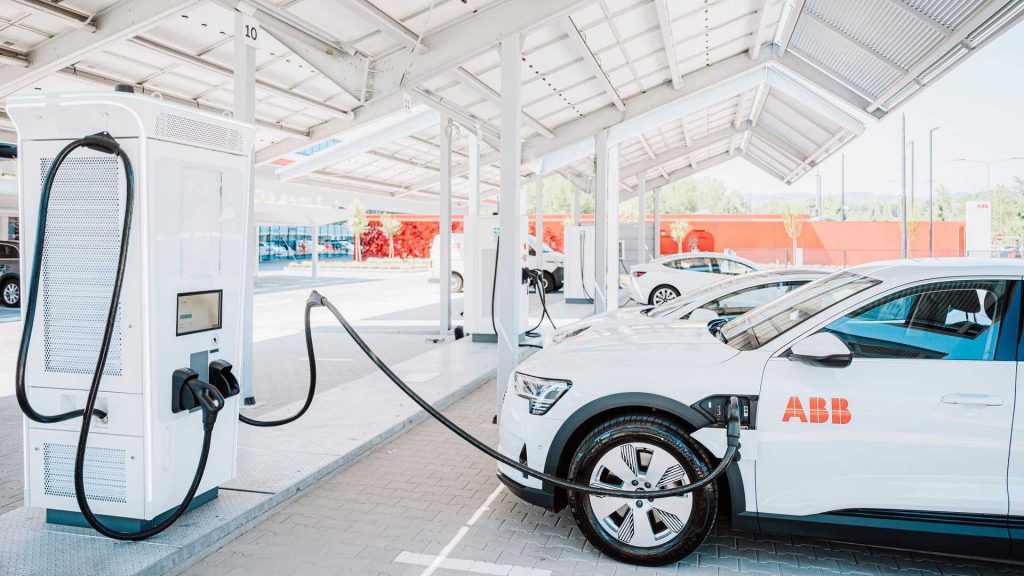
To support its large battery pack, the iX5 comes equipped with a 22 kW AC onboard charger as standard.
For DC fast charging, the vehicle supports charging speeds of up to 460 kW, allowing the battery to recharge from 10% to 80% in approximately 23 minutes under suitable charging conditions.
Advanced Chassis and Driver Assistance
Every iX5 includes adaptive suspension, while optional Integral Active Steering enables the rear wheels to steer by up to 3.2 degrees, reducing the vehicle’s turning circle to 12.1 metres.
BMW also offers Adaptive Chassis Control Professional with active roll stabilization to improve handling despite the SUV’s 2,900 kg curb weight.
On the technology side, the iX5 introduces BMW’s latest Level 2 driver assistance features, including “Entry-2-Exit” for highway driving and “Address-2-Address” for urban routes.
The systems can steer, accelerate, brake, negotiate intersections and recognize traffic signals while still requiring continuous driver supervision.
Expanding BMW’s Electric Portfolio
The launch marks another step in BMW’s strategy to electrify its model range.
In addition to the battery-electric model, BMW has previously announced plans to introduce a hydrogen fuel-cell version of the X5 from 2028, giving the next-generation X5 one of the broadest powertrain portfolios in the company’s lineup.
With the iX5, BMW is extending battery-electric technology into one of its best-known SUV nameplates while combining long driving range, ultra-fast charging and advanced driver assistance features in the premium midsize SUV segment.