
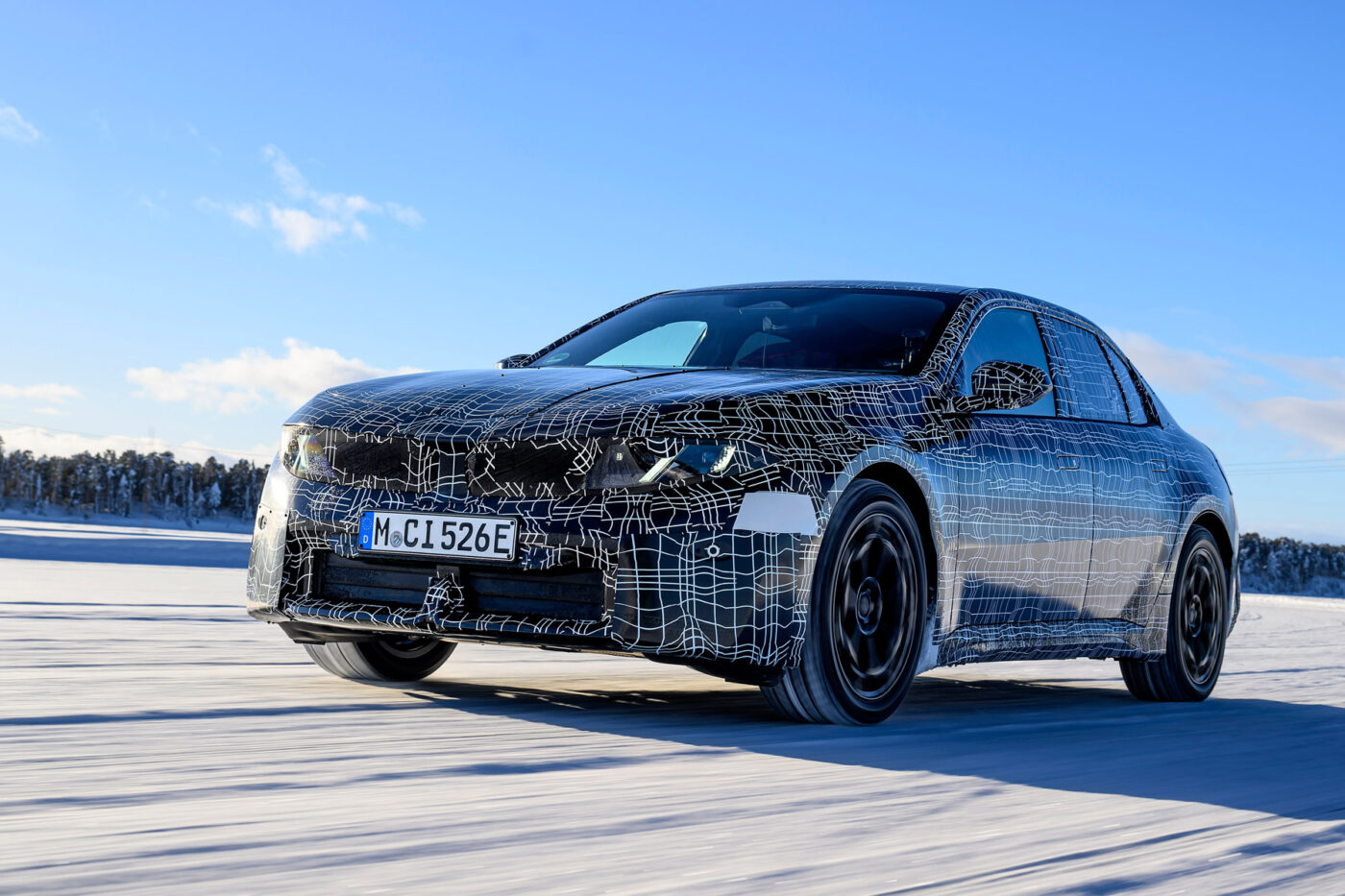
German automaker BMW has completed the final winter testing phase for its upcoming i3 electric sedan, with prototypes undergoing validation at the company’s winter testing center in Arjeplog ahead of the vehicle’s design premiere scheduled for March 18 in Munich.
The model will become the second vehicle built on BMW’s Neue Klasse electric platform, following the launch of the BMW iX3. Positioned as the electric counterpart to the company’s 3 Series sedan, the i3 incorporates the sixth generation of BMW’s eDrive technology and upgraded powertrain systems.
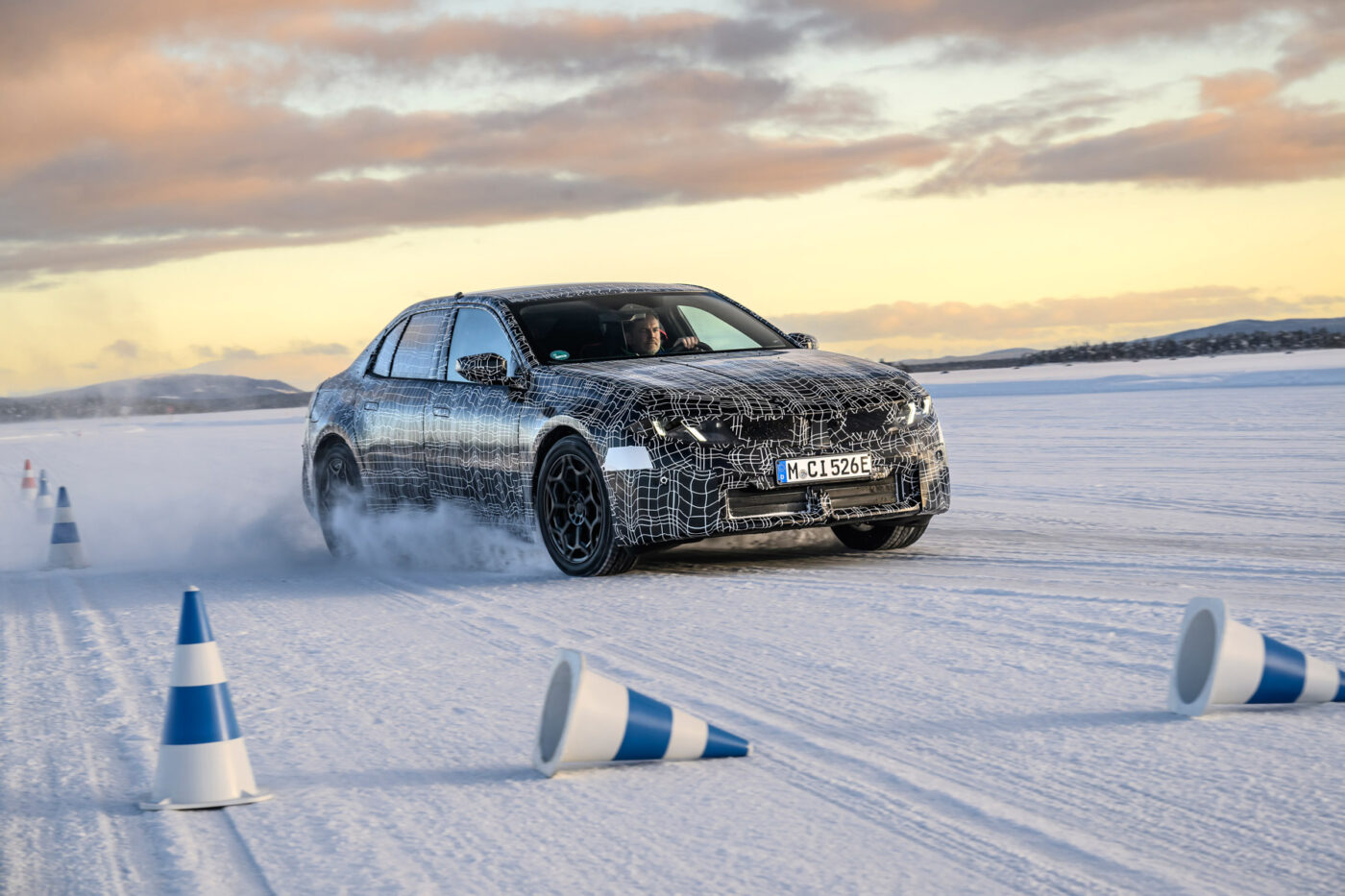
During the current testing phase in Sweden, engineers are focusing primarily on refining driving dynamics using a new central control system known as the “Heart of Joy.” The system integrates BMW’s in-house software platform, BMW Dynamic Performance Control, to manage the powertrain, braking, recuperation, and partial steering functions.
“As the BMW i3 approaches series-production readiness, the test and development team is performing the final fine-tuning of driving dynamics components on the snow-covered roads and frozen lakes of Sweden,” the company said.

BMW said the Heart of Joy central computer—one of four high-performance “Superbrains” used in the Neue Klasse architecture—is up to ten times faster than earlier systems. Other central computing units in the vehicle handle functions such as infotainment and driver assistance.
According to the company, the improved computing performance allows more precise coordination between the vehicle’s two electric motors, enhancing both stability and comfort in demanding driving conditions.
“Only electric motors are capable of processing and executing the lightning-fast commands. This enables the BMW i3 to deliver a light-footed and comfortable drive in every situation,” BMW said.
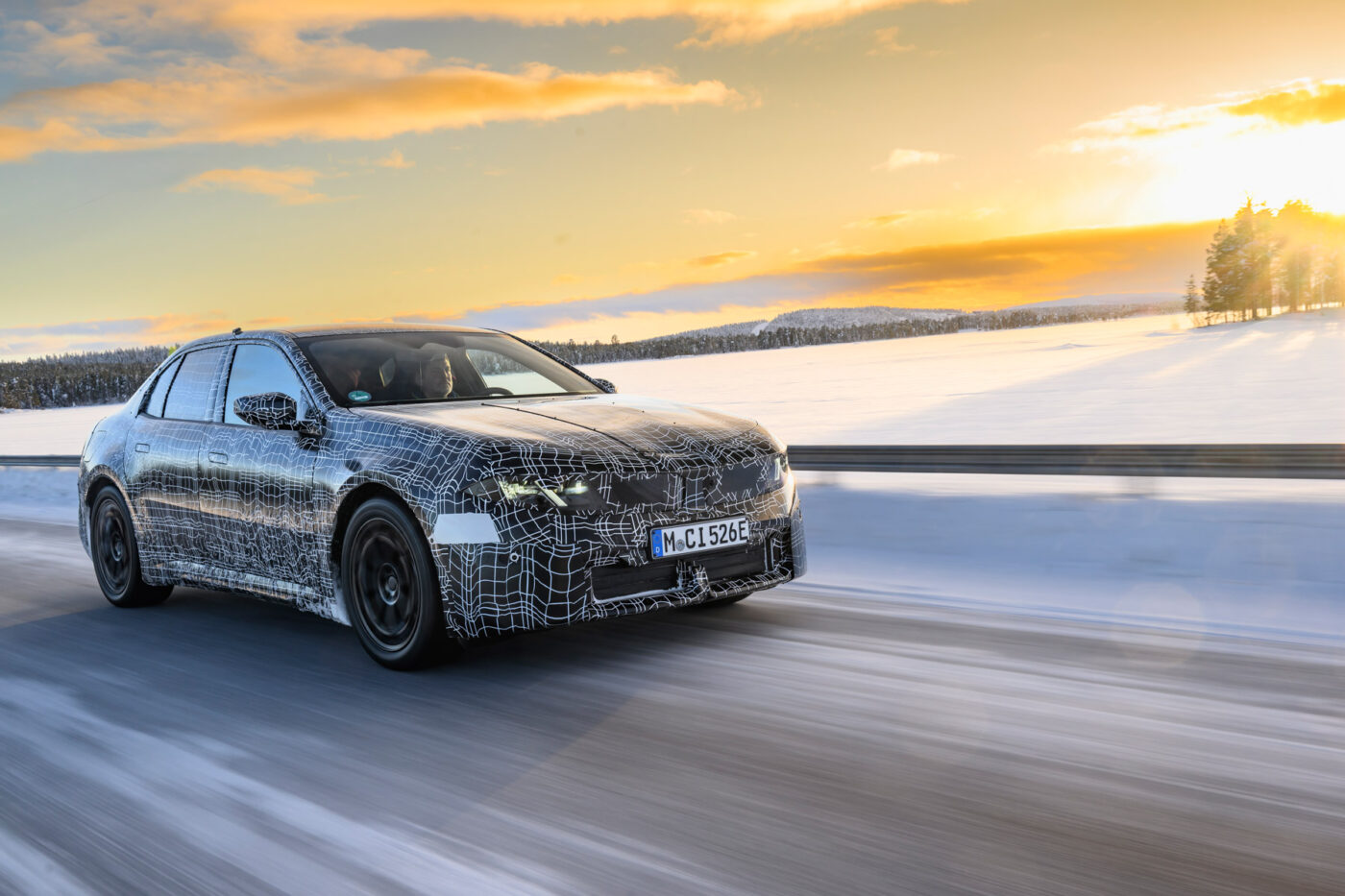
The i3 will debut initially as the i3 50 xDrive variant, featuring a 345 kW all-wheel-drive system with a separately excited synchronous motor on the rear axle and an asynchronous motor on the front axle. The vehicle will use an 800-volt architecture with peak charging capability of up to 400 kW.
BMW has not yet disclosed the battery capacity or driving range for the model. However, the sedan will use the flat-floor battery layout developed for Neue Klasse passenger cars, which differs from the battery configuration used in the SUV-based iX3.
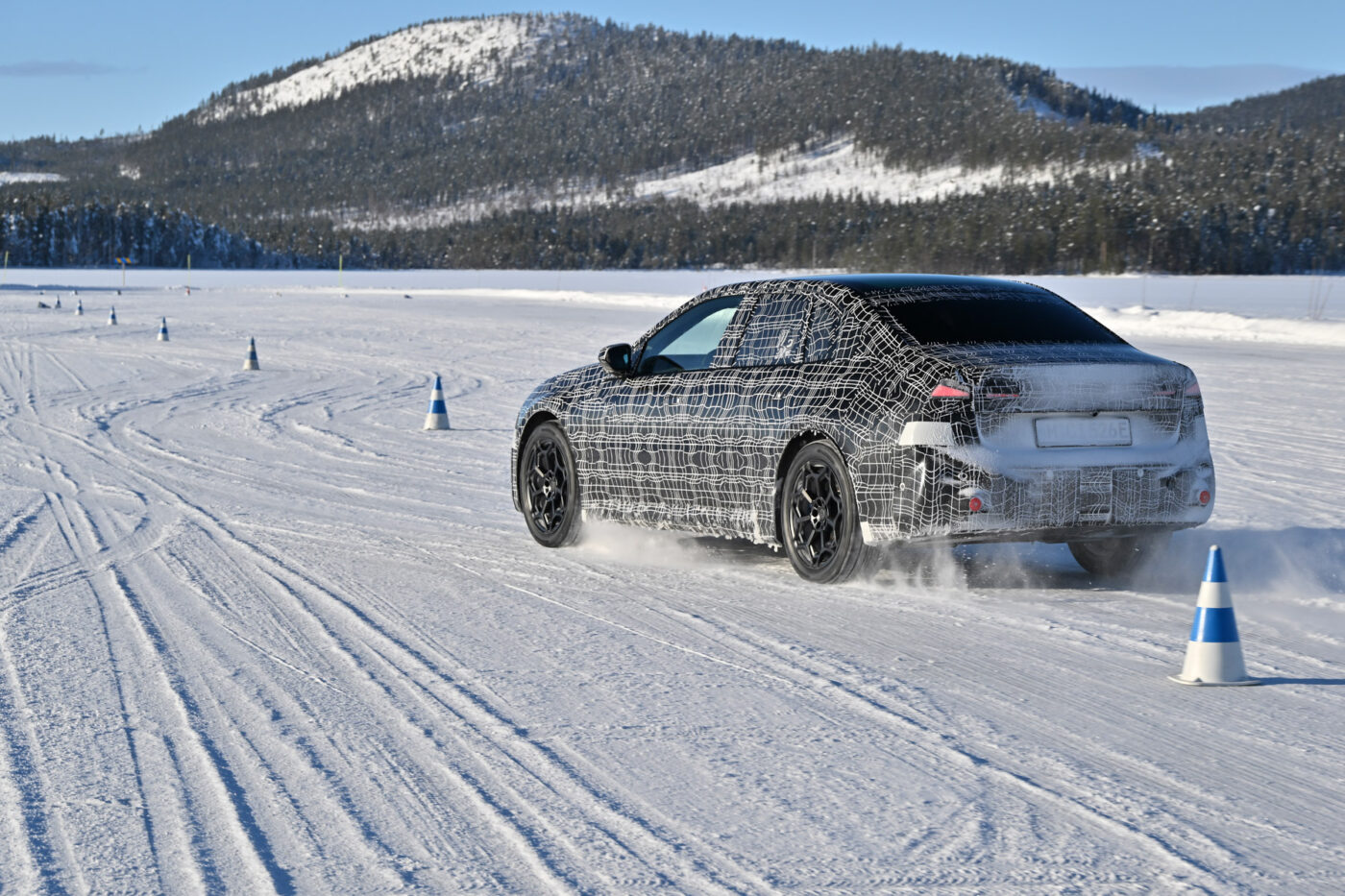
Pre-series production of the i3 is already underway at BMW’s Munich plant, with series production scheduled to begin in the second half of 2026.