

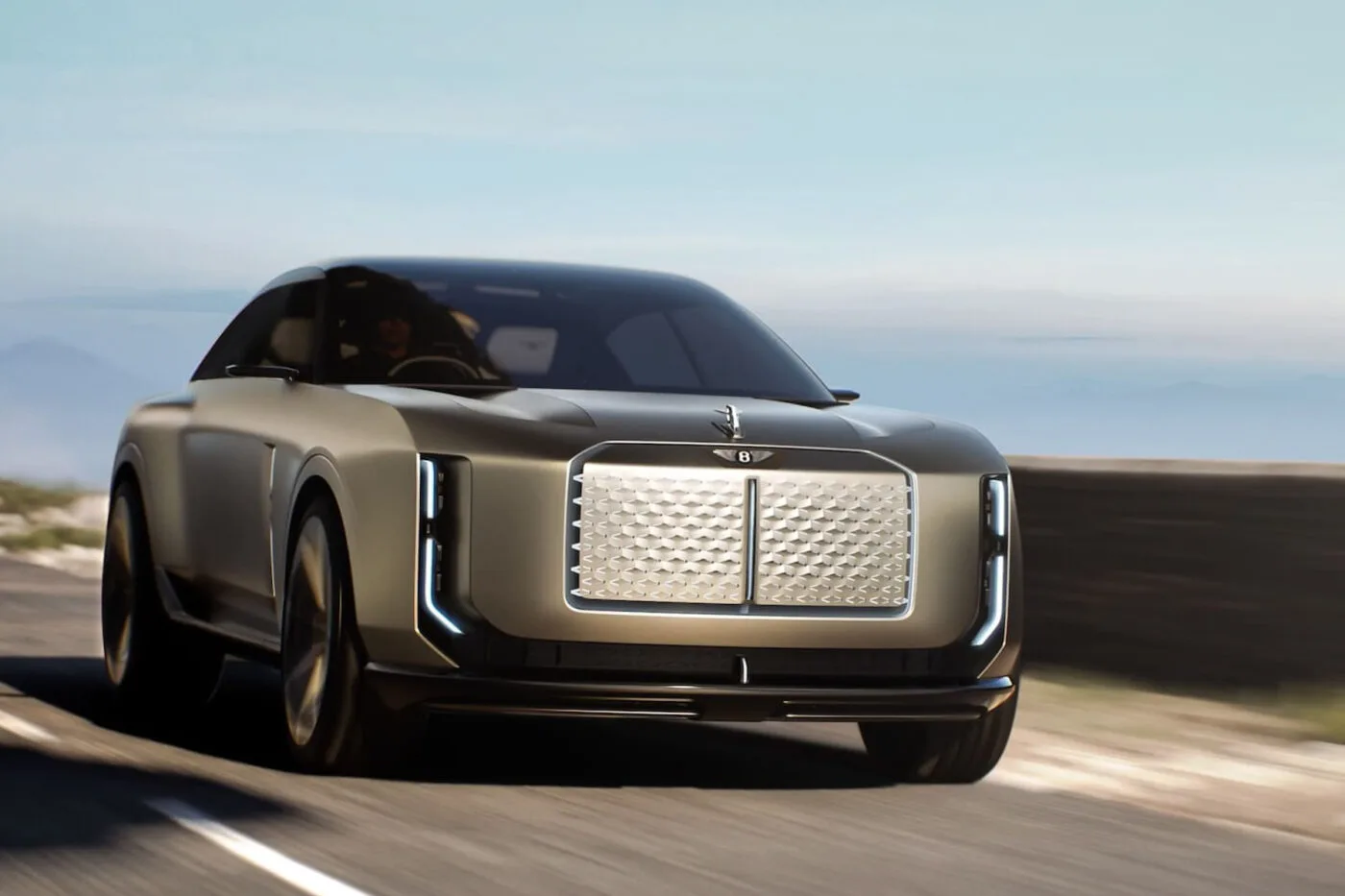
Bentley has announced a shift in its electrification strategy, delaying the complete transition to electric vehicles and placing greater emphasis on combustion engines in the medium term.
The British luxury automaker will continue offering petrol-powered and plug-in hybrid models, scrapping its previously fixed 2030 phase-out date for internal combustion technology.
The move follows similar adjustments by Porsche and Audi, which have also softened their electrification goals. Bentley CEO Frank-Steffen Walliser told Autocar that while electrification remains a long-term objective, customer demand for combustion engines—particularly in the U.S. and Middle East—is currently too strong to ignore.
“There is a dip in demand for luxury electric vehicles, and customer demand is not yet strong enough to support an all-electric strategy. The luxury market is a lot different today than when we announced Beyond100,” Walliser said.
Bentley will continue to introduce one electrified model per year from 2026, either as fully electric vehicles or plug-in hybrids, and its first fully electric urban SUV is scheduled to launch next year. The successors to the Bentayga, Flying Spur, and Continental GT series, originally planned as fully electric, will now also be offered with petrol engines. Walliser emphasized that while electrification remains a priority, the company must “take our customers with us.”
The strategic pivot allows Bentley to rebalance its model range in line with customer preferences, mirroring adjustments at Porsche in Zuffenhausen and Audi in Ingolstadt, both of which have extended the use of combustion engines alongside electric powertrains. Investments in extending the lifecycle of classic sports car series and platform-sharing with other VW Group brands support this medium-term strategy.