


Bangladesh has proposed a broad package of tax incentives aimed at accelerating electric vehicle adoption, reducing the tax burden on battery-electric and plug-in hybrid vehicles while encouraging domestic manufacturing and charging infrastructure development.
The measures are included in the government’s proposed 2026/27 national budget and form part of a broader strategy to increase electric vehicle adoption across the country.
Lower Taxes for Electric Vehicles
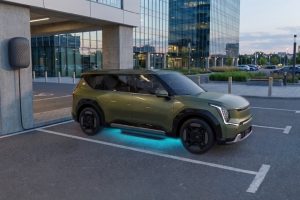
Under the proposal, import taxes on battery-electric vehicles priced below US$25,000 would be reduced from 93% to between 66% and 80%, depending on vehicle value.
Electric vehicles priced up to US$50,000 would face a total tax burden of 80%.
At the same time, Bangladesh plans to increase taxes on internal combustion engine (ICE) vehicles from 132.36% to 155.88%, while reducing tax rates for plug-in hybrid electric vehicles (PHEVs).
Support for Manufacturing and Charging Infrastructure
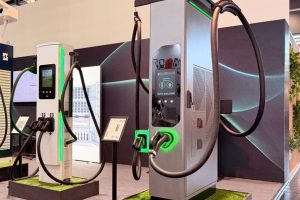
The proposed budget also removes duties and taxes on electric vehicle chargers and related charging infrastructure.
In addition, value-added tax (VAT) on locally assembled electric vehicles would be reduced to 5% through 2030. Nikkei Asia reported that VAT would be fully exempt for electric vehicles incorporating key components manufactured in Bangladesh, a measure aimed at encouraging greater localisation of the EV supply chain.
Government incentives supporting electric buses and electric trucks would also be extended until 2030.
Bangladesh has set a target for electric vehicles to account for 30% of the domestic vehicle market by 2030 and is increasingly using fiscal incentives to encourage both consumer adoption and local manufacturing.
Local Industry Investment
The policy comes as several companies expand investments in Bangladesh’s emerging electric vehicle industry.
According to Nikkei Asia, Chinese automaker BYD has continued expanding its presence in Bangladesh since entering the market in 2024. Earlier this year, the company signed a manufacturing and supply agreement with local distributor Runner Automobiles to support the development of a domestic EV manufacturing industry.
Runner currently distributes BYD electric vehicles and Yadea electric two-wheelers, and plans to establish an EV assembly facility in Bhaluka, north of Dhaka.
Runner Automobiles Chief Financial Officer Shanat Datta said:
“We expect EV sales to gain momentum following the government’s incentives. At a time when global fuel supply remains uncertain due to geopolitical tensions in the Middle East, consumers are increasingly looking for alternatives to conventional fuel-powered vehicles.”
He added:
“We plan to go for EV assembling by the middle of 2027, following the government incentives.”
Runner plans phased investments of approximately 2.6 billion taka to support local EV production in partnership with BYD, while Rancon Motors has also announced plans to invest around 3 billion taka in EV assembly operations.
Expanding Charging Network
The proposed tax exemptions are also expected to encourage investment in charging infrastructure.
According to Nikkei Asia, Bangladesh currently has just 32 public EV charging stations and around 250 home chargers, while more than 1,000 battery-electric and plug-in hybrid vehicles have been sold in the country since 2024.
The government hopes that expanding charging infrastructure alongside manufacturing incentives and lower vehicle taxes will help accelerate the country’s transition toward electric mobility.