




The rapid expansion of autonomous vehicle (AV) technology is compelling the insurance sector to reconsider how risk is calculated and covered, according to a recent research note from Goldman Sachs. As self-driving cars reduce the frequency of human-caused crashes, insurers are expected to face a structural transformation in underwriting and liability distribution.
“Autonomy has the potential to significantly reduce accident frequency longer-term and reshape the underlying claim cost distribution and legal liability for accidents,” Goldman Sachs analysts led by Mark Delaney wrote in a note to investors.
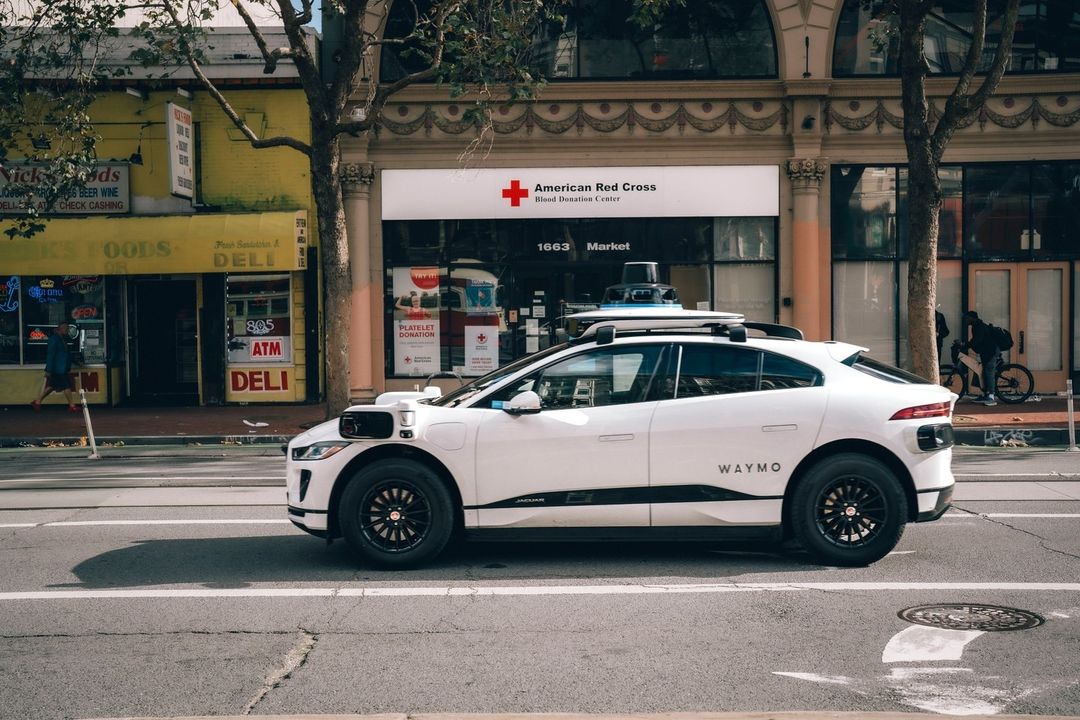
The $432 billion U.S. auto insurance industry is now preparing for broader AV adoption. Although full autonomy remains limited to specific markets and operational domains, companies such as Alphabet’s Waymo and Tesla are accelerating deployment. Tesla CEO Elon Musk said in May he expects the company’s robotaxi fleet to begin operating in Austin this month. Waymo, meanwhile, has raised $11 billion to date, with its latest funding round bringing in $5.6 billion in October 2024.
Goldman Sachs projects the ride-share segment of the autonomous vehicle market will reach $7 billion by 2030, while the autonomous trucking segment may grow to $5 billion. Despite the rising prevalence of autonomous fleets, analysts remain cautious about a near-term uptick in AV ownership at the individual level, citing high costs and technological limitations. However, they noted that costs are expected to decline, which could improve accessibility over time.
Evidence from early deployments suggests a marked improvement in safety. A December 2024 study conducted by Swiss Re and commissioned by Waymo reported a 92% drop in bodily injury claims and an 88% decrease in property damage claims compared to conventional vehicles. As a result, Goldman Sachs anticipates auto insurance premiums may fall by more than half by 2040—from approximately $0.50 per mile in 2025 to $0.23.
Still, experts caution that reduced insurance premiums will not necessarily translate into lower out-of-pocket costs for consumers. “While there could be lower cost on insurance products, this technology costs money, so there’s a shift in where you pay the money,” Scott Holeman, director of media relations at the Insurance Information Institute, told Fortune.
The emergence of AVs also shifts the conversation around liability. With human drivers removed from the equation, insurers are expected to place greater emphasis on product liability and cyber coverage. Rather than driver error, future accidents could result from software glitches or data breaches, creating new legal questions around fault.
“There’s more and more concern for cyber threats or security risks that someone could manipulate vehicles—bad actors,” Holeman added.
Although AVs demonstrate a strong safety profile, incidents tied to environmental factors remain a concern. In October 2024, the National Highway Traffic Safety Administration launched an investigation into Tesla’s Full Self-Driving system after four incidents involving visibility issues caused by sun glare, fog, and dust.
As regulatory oversight varies by state, efforts are underway to create unified federal standards. U.S. Transportation Secretary Sean Duffy said in April that the government aims to introduce national regulations for autonomous vehicles to ensure consistency and safety.
Waymo has already provided a glimpse into how insurance may evolve in an autonomous future. Tilia Gode, the company’s head of risk and insurance, told MarketWatch last year that insurance for its Level 4 autonomous vehicles resembles commercial fleet coverage, rather than individual auto policies. “Essentially, there’s a shift from human being drivers to the autonomous system being the driver—Waymo is the driver,” Gode said.
As technology and regulation continue to advance, the insurance industry faces a critical moment of transformation—redefining how coverage is structured in a world where humans are no longer behind the wheel.


