


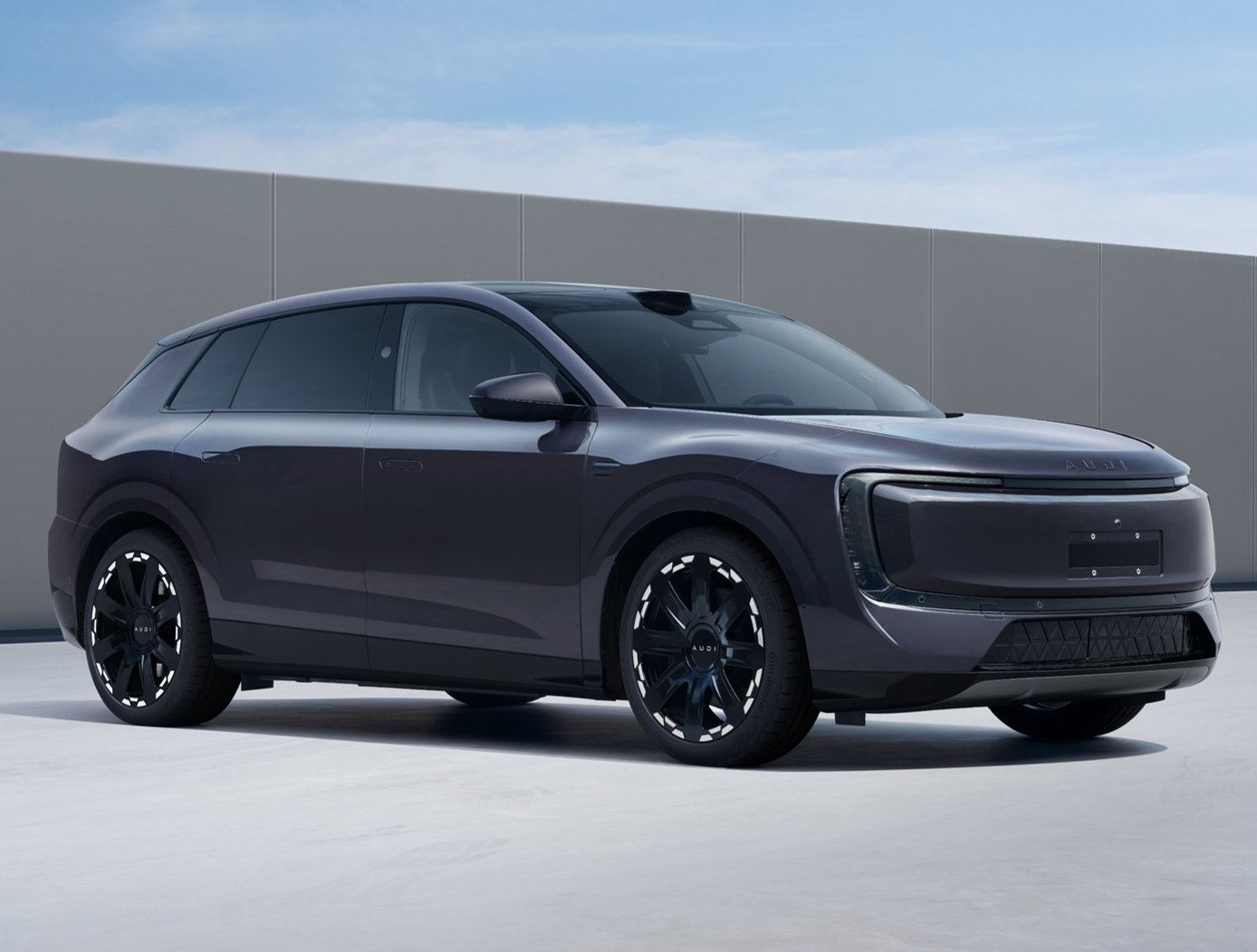
Audi and its Chinese partner SAIC Motor have taken a further step in expanding their new AUDI electric vehicle brand in China after the AUDI E7X electric sport utility vehicle appeared in the latest regulatory filing published by China’s Ministry of Industry and Information Technology (MIIT).
The vehicle is included in MIIT’s newly released catalogue of models approved for public consultation, a standard process that represents the final major regulatory milestone before commercial sales can begin in China. Public feedback on the listed vehicles is open from December 6 to December 12.

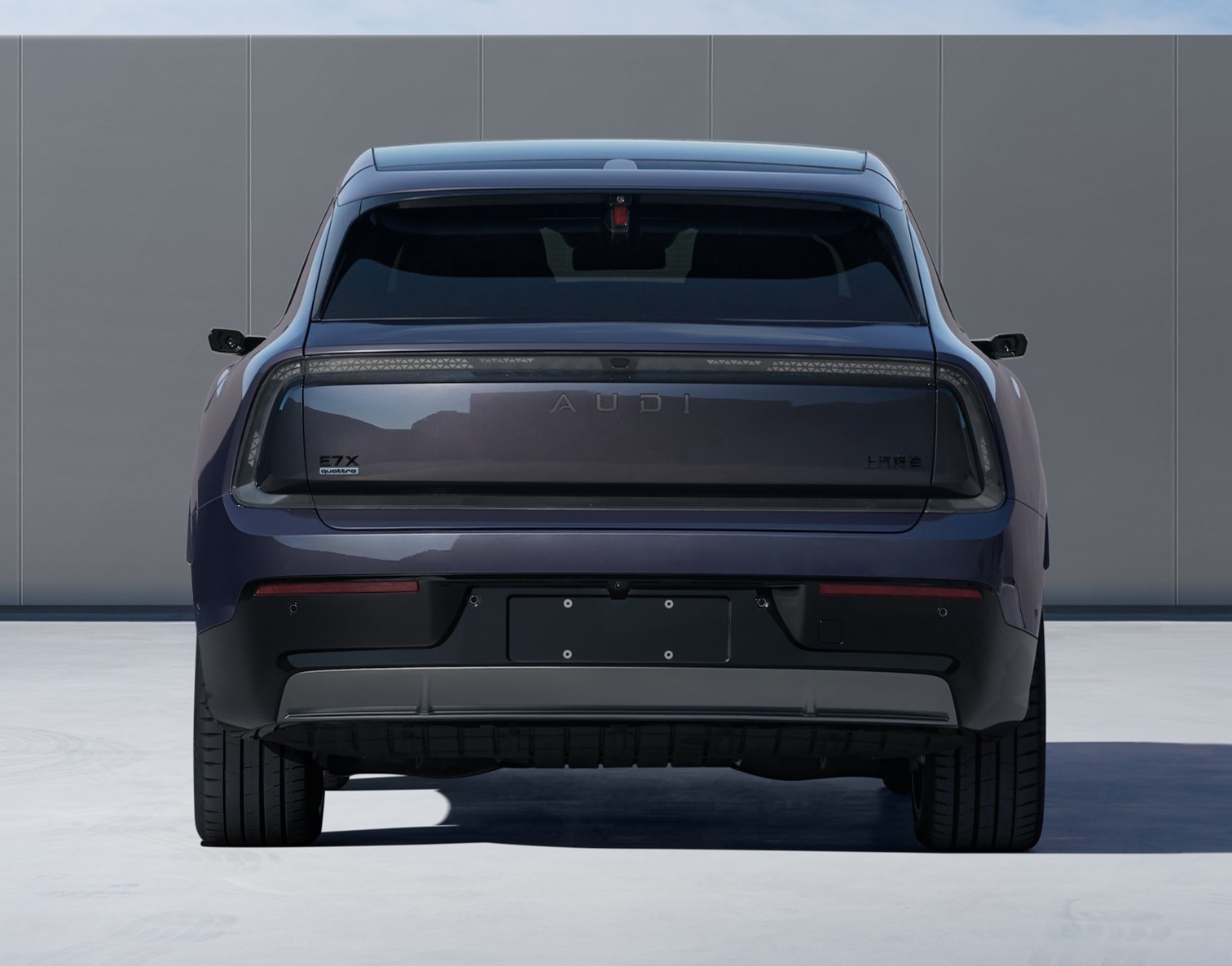
The E7X is the second production model to be filed under the AUDI brand, following the earlier launch of the E5 Sportback. The new SUV is widely viewed as the production version of the AUDI E SUV Concept that was showcased at the Guangzhou auto show last month, with a market debut expected in 2025.
According to the regulatory listing, the E7X will be offered in both single-motor and dual-motor configurations under four separate product codes. The single-motor versions produce peak output of 300 kilowatts, while the dual-motor variants add a 200-kilowatt front motor, delivering all-wheel-drive capability. Maximum listed speed is 230 kilometres per hour.

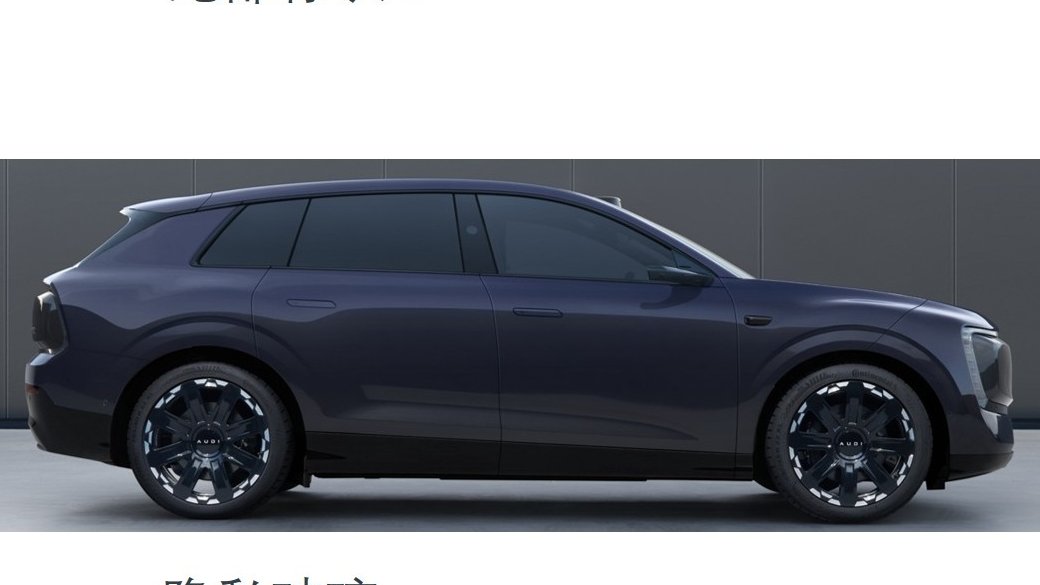
The E7X measures 5,049 mm in length, 1,997 mm in width and 1,710 mm in height, with a wheelbase of 3,060 mm, positioning it among larger premium electric SUVs in the Chinese market. Curb weight varies by configuration, ranging from about 2,457 kg to 2,673 kg.
Battery packs for the model will use ternary lithium cells supplied by China’s leading battery maker CATL, according to the filing.
Audi and SAIC officially launched the AUDI brand as a standalone electric sub-brand in China in November 2024, leveraging SAIC’s local manufacturing and software development capabilities. Unlike Audi’s global lineup, models under the AUDI marque use a stylised letter-based logo instead of the automaker’s traditional four-ring emblem.
The first production model under the joint brand, the E5 Sportback, went on sale in China in September, marking the commercial start of the partnership’s electric strategy in the world’s largest auto market.