

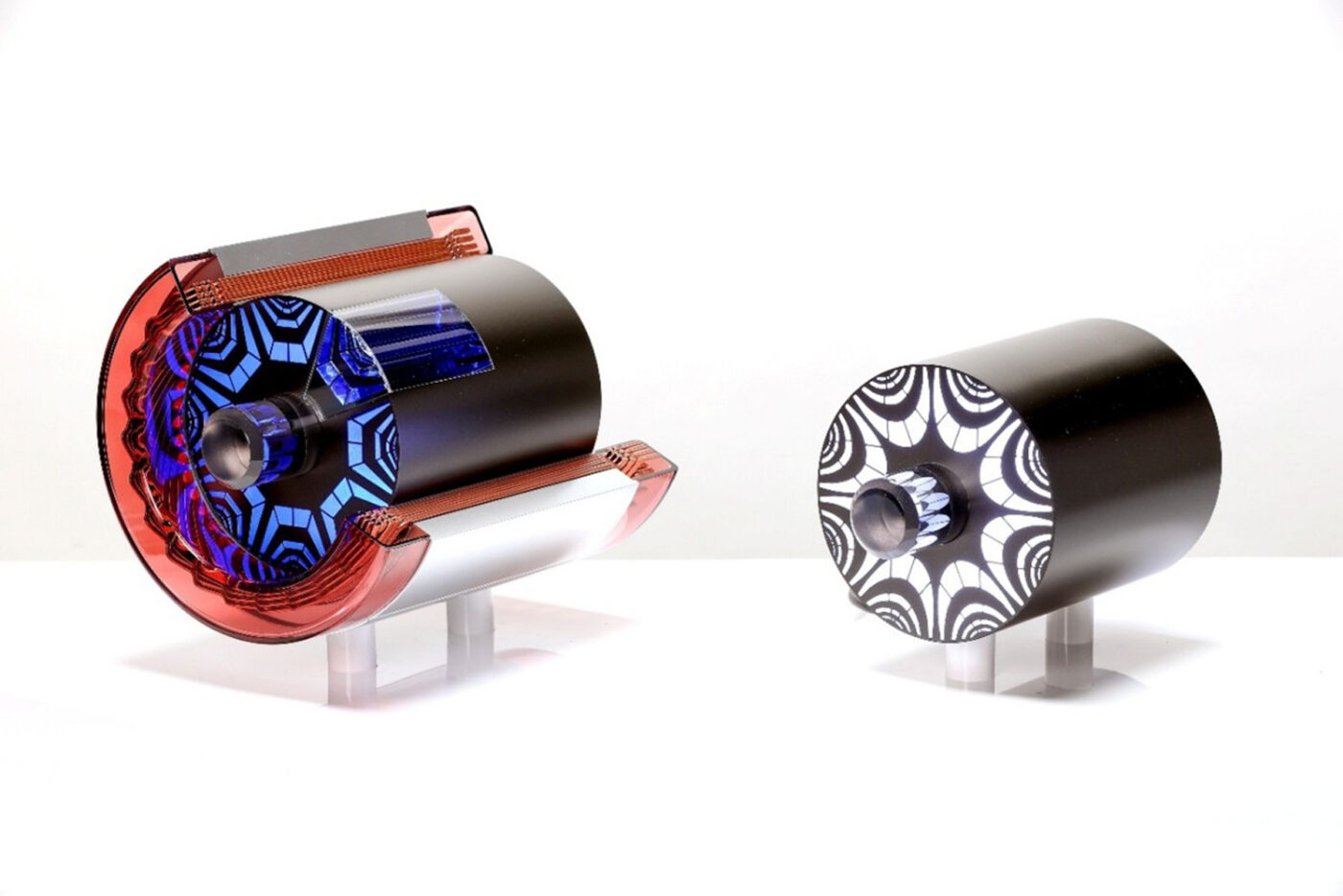
Astemo, the electric drivetrain joint venture between Hitachi and Honda, said it has developed a new motor for battery-electric vehicles that eliminates the use of rare earth materials, as automakers look to reduce exposure to concentrated supply chains.
The motor is based on synchronous reluctance technology, an alternative to the permanent magnet synchronous motors (PMSMs) widely used in electric vehicles today. Astemo said the design is still at a development stage and is not expected to reach series production before the end of the decade.
See also: Astemo Americas to Invest $95 Million in New Michigan Headquarters
PMSMs are currently the dominant motor type in electric vehicles due to their high power density and efficiency, which help reduce energy consumption and improve driving range. However, these motors rely on permanent magnets made from rare earth elements such as neodymium, materials that are largely supplied by China. Automakers and suppliers have increasingly sought alternatives to mitigate cost volatility and supply risks.
Astemo said its approach combines a rare-earth-free magnet system with a newly developed rotor design. The main drive motor delivers 180 kilowatts of output and uses ferrite magnets, which are more widely available but have significantly lower magnetic strength than neodymium-based magnets. As a result, such motors typically require a larger physical size to achieve comparable performance.
See also: Astemo to Build New Inverter Production Line in UK From 2027
According to Astemo, the new motor’s active length is about 30% greater than that of a conventional 180 kW permanent magnet motor. The company attributed this reduction in size penalty to a newly designed rotor core featuring a “multilayer flux structure,” which generates torque by exploiting differences in magnetic reluctance created by the rotor’s geometry rather than relying solely on magnetic strength.
Astemo said the design allows magnetic poles to be formed within the rotor core by precisely controlling current flow, partially compensating for the weaker magnetic field of ferrite magnets. However, this approach increases electrical current in the stator coils, leading to higher heat generation.
See also: Honda, Princeton NuEnergy Sign Battery Recycling Pact After Joint Cathode Tests
To address thermal challenges, Astemo has developed a cooling structure in which both the slots and ends of the stator coils are immersed in cooling oil, which the company said helps manage the additional heat load.
The company said it has developed two versions of the synchronous reluctance motor system. In addition to the 180 kW magnet-assisted motor for primary propulsion, Astemo has designed a magnet-free reluctance motor for use as a secondary drive in all-wheel-drive systems. This auxiliary motor delivers up to 135 kW, resulting in a combined system output of 315 kW.
Astemo said the auxiliary motor would operate only when additional traction or power is required, helping to reduce energy losses that can occur when magnets in secondary drives create resistance during coasting.
The company said it plans to apply synchronous reluctance motor technology in electric vehicles from around 2030. Astemo added that it did not pursue induction motors or externally excited synchronous motors as alternatives, citing potential supply risks related to copper usage in those designs amid rising demand from electric vehicles and renewable energy systems.