
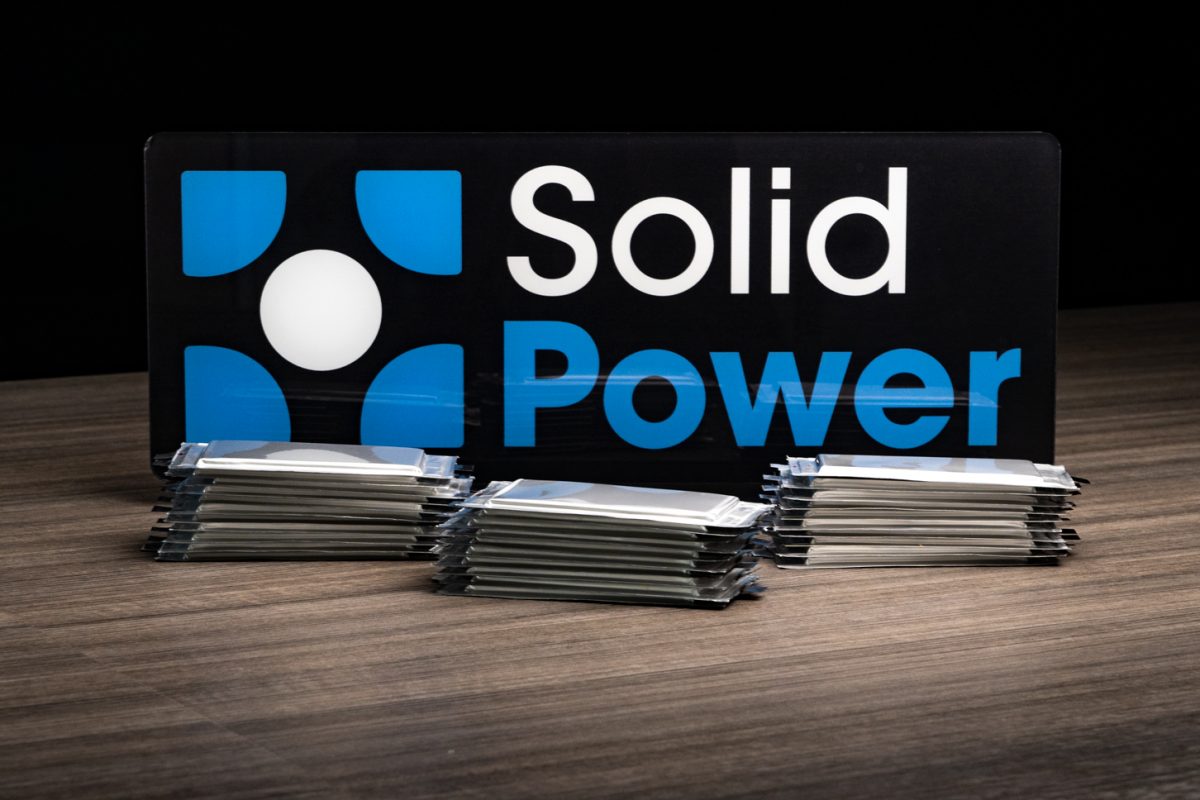
Solid Power, the US solid-state battery developer backed by BMW, has begun commissioning Mobius, a manufacturing line designed for continuous production of the sulfide-based solid electrolyte used in its battery technology.
The new line will add 45 tonnes of annual production capacity at Solid Power’s facility in Thornton, Colorado. Once operational, it will increase the site’s total annual electrolyte capacity by 150% to approximately 75 tonnes, supporting the company’s plans to supply automotive manufacturers and battery producers.
Construction of Mobius is substantially complete, and materials have begun entering the line. Solid Power has completed site acceptance testing for primary powder processing and expects full testing to be completed by the end of October. Plant validation and operational startup are planned for the fourth quarter of 2026.
Mobius will operate alongside the facility’s existing batch production lines. The project has received up to $50 million in support from the US Department of Energy.
Continuous Manufacturing Targets Production Consistency
Solid Power said the new line is intended to improve process control, repeatability and manufacturing scale as the company moves toward commercial electrolyte supply.
“The name MOBIUS reflects what sets this line apart: continuous production designed to deliver the process control, repeatability, and scale our partners expect from a commercial electrolyte supplier,” said John Van Scoter, president and chief executive of Solid Power.
Continuous manufacturing differs from batch processing by allowing materials to move through production in a more consistent, ongoing process. For solid-state battery materials, repeatability is important because variations in electrolyte quality can affect cell performance and manufacturing reliability.
Solid Power describes Mobius as the world’s first continuous manufacturing line for its sulfide-based solid electrolyte. The additional capacity is intended to help demonstrate that the material can be produced consistently at volumes suitable for industrial customers.
Supply Strategy Focuses on Materials and Licensing
Rather than building battery cells at large commercial scale itself, Solid Power plans to sell its solid electrolyte and license its cell designs to industry partners. This approach places manufacturing consistency and the ability to scale material production at the centre of its commercialization strategy.
The company’s existing and prospective partners include BMW and South Korean battery manufacturer SK On. The approximately 75-tonne annual capacity planned for the Thornton site remains modest compared with large-scale battery manufacturing operations, but it could support partner qualification and further development work.
Moving from batch production toward continuous manufacturing is also intended to establish a pathway to larger output volumes if demand grows and customers advance toward commercial deployment.
A Step Toward Commercial Solid-State Batteries
Solid-state batteries are being developed as an alternative to conventional lithium-ion cells that use liquid electrolytes. Sulfide-based solid electrolytes are one of several approaches under development, with manufacturers working to address challenges involving material processing, performance, durability and production costs.