
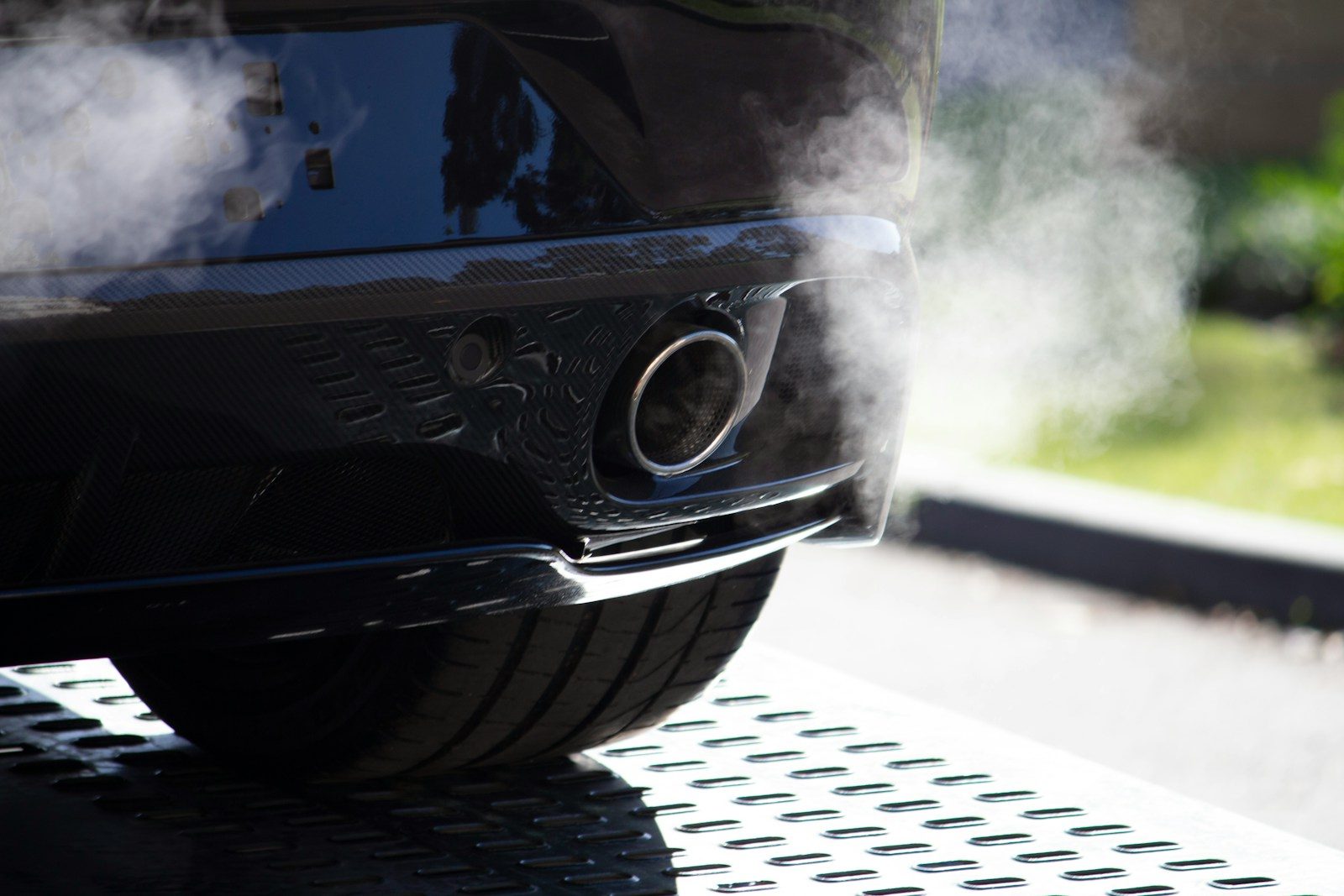
European lawmakers are reportedly moving toward a compromise that would relax the European Union’s planned restrictions on new combustion-engine cars from 2035. According to German media outlet Spiegel, the centre-right European People’s Party (EPP), the Socialists and Democrats (S&D), and the liberal Renew Europe group have agreed on a proposal requiring automakers to reduce new-car fleet CO₂ emissions by 87.5% from 2021 levels by 2035.
The proposed target would leave room for some new internal combustion engine and hybrid vehicles to remain on sale beyond 2035. The agreement has not yet completed the legislative process, and its stability will be tested in upcoming committee votes.
Parliamentary Vote to Test the Compromise
According to Spiegel, negotiators from the three political groups reached the agreement early on Tuesday. The reported compromise also includes incentives for using steel produced with lower climate impact.
The European Parliament’s Transport and Industry Committees are scheduled to vote on the reform on Thursday. A vote in the Environment Committee is expected in early November, followed by a potential plenary vote in December.
The proposal would need parliamentary approval before proceeding to the Council of the European Union, where member states would consider the legislation. The final outcome could change during negotiations between the institutions.
How the Proposal Differs From the Commission’s Plan
The European Commission presented its Auto Package at the end of 2025 in response to concerns about the competitiveness of Europe’s automotive industry. Its proposal would replace the previously planned 100% reduction in new-car fleet emissions by 2035 with a 90% reduction compared with 2021 levels.
Under the Commission’s approach, the remaining emissions would need to be compensated through measures including the use of climate-friendly steel and lower-carbon fuels. This would create a conditional route for continued sales of certain combustion-engine vehicles, plug-in hybrids and range-extender models.
The reported parliamentary compromise goes further in relaxing the target, proposing an 87.5% reduction. However, the precise conditions for compensating remaining emissions under the lawmakers’ version have not been fully established.
The Commission’s original proposal envisaged a credit system in which manufacturers could account for part of the required compensation through green steel produced in the EU and climate-friendly fuels, including biofuels and e-fuels. The availability and cost of these materials and fuels could affect how practical the system would be for automakers.
Germany and France Seek a Common Position
German Chancellor Friedrich Merz and French President Emmanuel Macron have also reportedly reached a common position calling for a 90% reduction in new-car CO₂ emissions by 2035, without the compensation mechanism proposed by the Commission.
According to Spiegel, the agreement between Germany and France could influence negotiations in the EU Council. France had previously opposed weakening the phase-out approach but is reportedly seeking concessions elsewhere, including German support for proposed “Buy European” requirements.
Germany and several other EU countries have argued for greater flexibility in the automotive transition, while disagreements remain over how to balance industrial competitiveness with climate objectives.
Small Electric Cars and Interim Targets
The Commission’s Auto Package also proposes incentives for smaller electric vehicles through a system known as “Super Credits.” Under the proposal, electric cars shorter than 4.20 metres would receive additional weighting in manufacturers’ fleet-emissions calculations.
For example, a qualifying small electric car such as Volkswagen’s ID. Polo could count as 1.3 vehicles for this calculation rather than one. The mechanism is intended to encourage manufacturers to introduce more affordable electric models.
The package would also make compliance with the 2030 emissions target more flexible. Instead of requiring manufacturers to meet fixed annual targets, the Commission proposes allowing them to meet interim requirements over the 2030–2032 period, providing more scope to compensate for underperformance in one year with stronger reductions in another.
For light commercial vehicles, the Commission has proposed reducing the 2030 CO₂ reduction target from 50% to 40%, reflecting the slower adoption of electric vans in the segment.
Company Cars, Batteries and Heavy-Duty Vehicles
The Auto Package extends beyond passenger-car emissions targets. From 2030, the Commission plans to introduce country-specific requirements for the electrification of company-car fleets, while leaving implementation to individual member states. Belgium’s company-car taxation system, which has helped increase electric-car uptake, is cited as a model.
The package also includes a proposed €1.5 billion Battery Booster initiative to support the development of an EU-based battery value chain. Measures could include interest-free loans for battery-cell manufacturers and other support for domestic production.
The Commission estimates that adjustments to administrative requirements across the automotive industry could save companies approximately €706 million annually.
For heavy-duty vehicles, it proposes making compliance with 2030 CO₂ standards more flexible by allowing manufacturers to accumulate emissions credits under revised conditions. The Commission has not provided specific figures for the resulting changes.
Automotive Competitiveness Remains Central
The proposed changes reflect pressure on Europe’s automotive sector as it faces electrification, competition from international manufacturers and the costs of meeting climate targets.
The Commission describes the Auto Package as an industrial strategy intended to support the industry’s competitiveness while continuing the transition toward cleaner transport. It argues that greater flexibility in emissions rules should help manufacturers adapt without abandoning investment in zero-emission vehicles.
The reported 87.5% target, however, remains a negotiating position rather than an adopted EU rule. Committee votes, a plenary decision and approval by member states will determine whether the compromise becomes part of the final legislation.