
U.S. electric vehicle manufacturer Rivian is expanding plans for its second U.S. production facility in Georgia, increasing the site’s planned annual production capacity to 300,000 vehicles from an earlier target of 200,000.
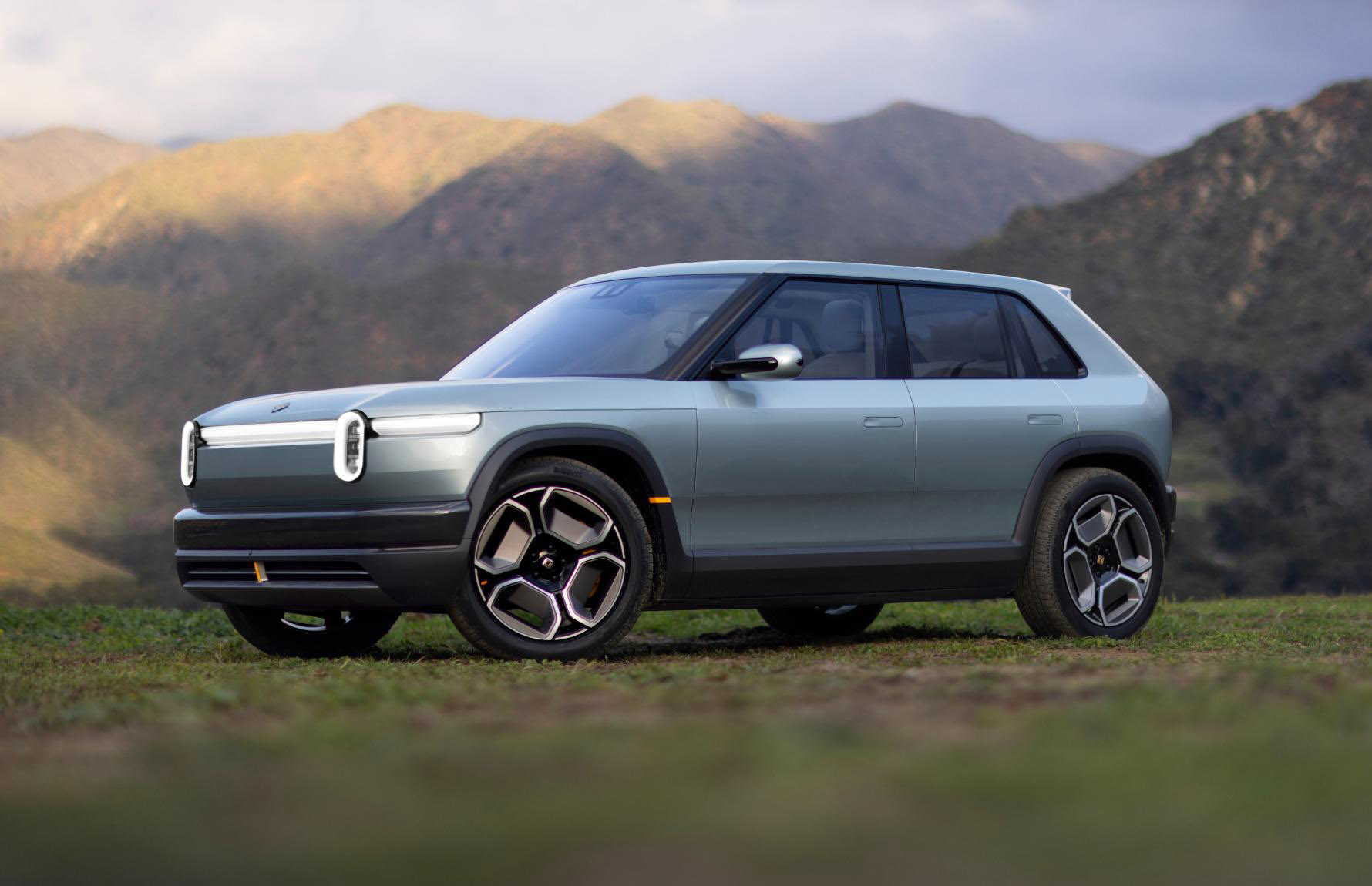
The California-based company, which partners with Volkswagen, currently operates a manufacturing plant in Normal, Illinois, producing the EDV electric delivery van, R1 models, and the recently introduced R2 midsized electric SUV. The Illinois facility has a total annual production capacity of 215,000 vehicles.
See also: Rivian Details Launch Package for R2 Performance as Production Begins
Rivian broke ground on the Georgia site near Atlanta in September, although work so far has focused on infrastructure and civil engineering rather than building construction. The delay enabled the automaker to redesign the project for larger-scale production.
The expansion is being supported by a $4.5 billion loan package from the United States Department of Energy, consisting of $4.006 billion in financing and $494 million in capitalized interest that will be repaid after construction.
See also: Rivian Begins Series Production of R2 Electric SUV in Illinois
“We’re very excited to partner with the U.S. Department of Energy to grow our manufacturing footprint in Georgia,” said RJ Scaringe, founder and chief executive of Rivian. “R2 dramatically expands our market opportunity. The thousands of dedicated people who will soon work in our Georgia plant will be instrumental to Rivian’s growth as we scale American manufacturing and work to ensure that the U.S. retains its leadership in innovation and technology.”
The Georgia facility is expected to produce the R2 and the upcoming R3 compact SUV, which Rivian has positioned as a more affordable offering. The company also plans to manufacture 50,000 robotaxis for ride-hailing partner Uber. Production at the site is scheduled to begin by the end of 2028.
See also: EPA Filings Detail 2027 Rivian R2 Battery and Range Specifications
Rivian also released first-quarter 2026 financial results, reporting revenue growth of 11% to $1.38 billion on production of 10,236 vehicles and 10,365 deliveries. Automotive revenue declined 2% to $908 million, which the company attributed to lower sales of regulatory credits and a larger share of commercial vehicle deliveries. Vehicle deliveries, however, rose 20% year-on-year.
The company’s software and services segment posted stronger growth, rising 49% to $473 million, driven largely by Rivian’s development partnership with Volkswagen. Following successful winter testing of a zonal vehicle architecture platform, Volkswagen invested an additional $1 billion in Rivian through equity, increasing its stake from 12.3% to around 16%.
See also: Uber and Rivian Partner to Deploy Robotaxis at Scale
The increased ownership likely makes Volkswagen Rivian’s largest shareholder, ahead of Amazon, another key strategic partner.
Rivian reported an operating loss of $881 million for the quarter, compared with $655 million a year earlier, citing lower gross margins and higher operating costs. Net loss narrowed 23% year-on-year to $416 million.