
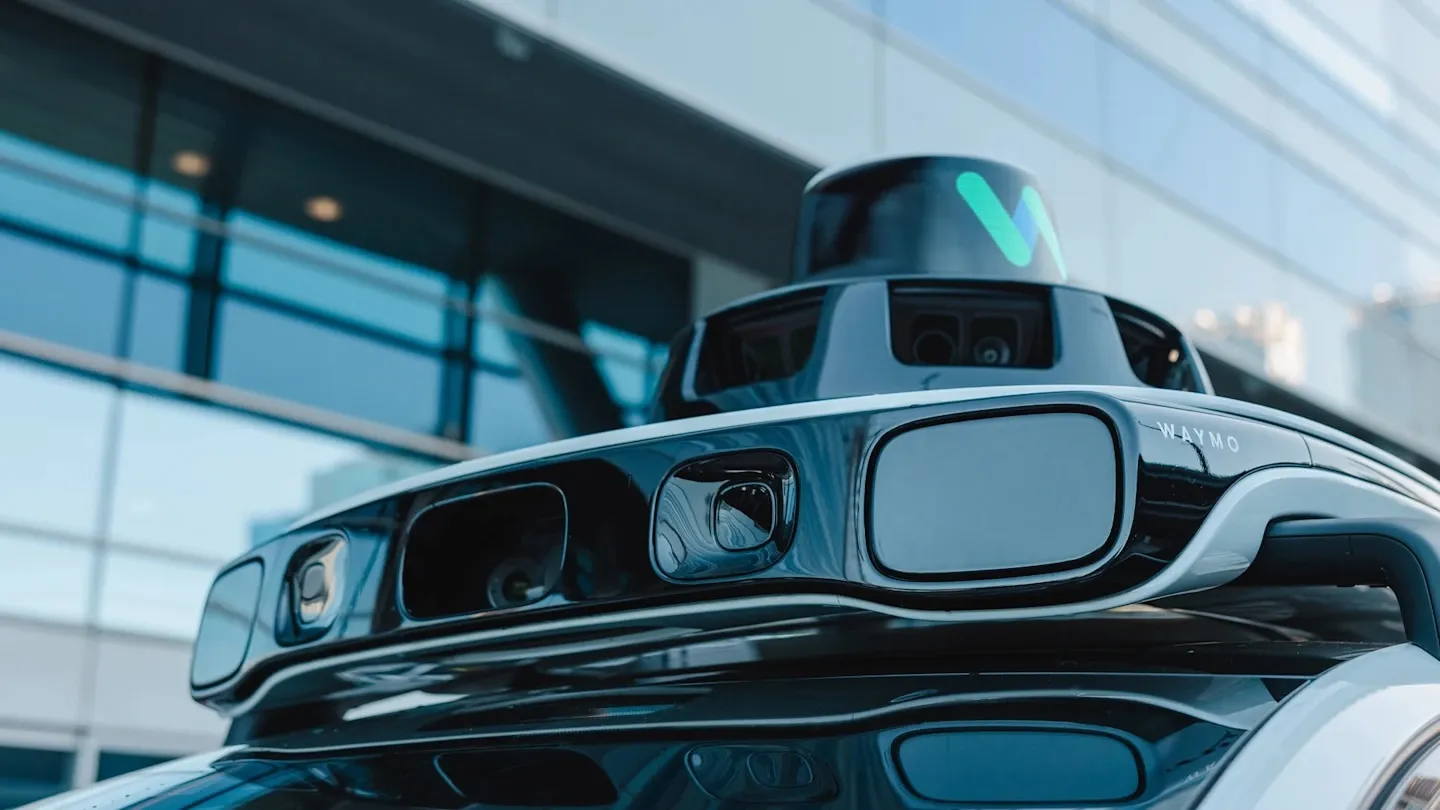
Waymo said it is now providing 500,000 paid robotaxi rides per week across 10 U.S. cities, marking a significant milestone in the company’s commercial expansion of autonomous ride-hailing services.
The company disclosed the figure in a social media post, highlighting a tenfold increase in weekly paid trips from around 50,000 in May 2024. The growth reflects both rising demand and an expanding operational footprint across the United States.
See also: Waymo Expands Robotaxi Service to Four Additional U.S. Cities
Over the past two years, Waymo has scaled beyond its initial markets of Phoenix, San Francisco and Los Angeles to include Austin, Atlanta, Miami, Dallas, Houston, San Antonio and Orlando—with most of the new markets added in the past year.
Fleet growth has been more measured. Data submitted to the National Highway Traffic Safety Administration in December 2025 showed Waymo operating 3,067 robotaxis equipped with its fifth-generation autonomous system, a figure the company continues to describe as “over 3,000.” The steady fleet size alongside rising trip volumes suggests improved vehicle utilisation.
See also: Waymo Begins Deployment of Sixth-Generation Robotaxi System
Waymo is preparing to deploy its sixth-generation system, which will be introduced on vehicles including the Zeekr Ojai and the Hyundai Ioniq 5.
Despite the growth, the company faces increasing scrutiny. The National Transportation Safety Board and NHTSA are investigating incidents involving Waymo vehicles and school buses. Local officials in San Francisco have also raised concerns about stalled robotaxis and the use of emergency services to manage them.
Waymo’s scale remains small compared with traditional ride-hailing platforms. Uber reported 13.5 billion trips in 2025, including ride-hailing and delivery, and previously disclosed completing more than one million mobility trips per hour during 2024, according to company filings.
See also: Waymo Turns to Generative AI Simulations to Prepare Robotaxis for Rare Road Scenarios
Competition in the robotaxi sector is intensifying. Chinese companies such as Pony.ai and WeRide operate paid services outside the United States. Meanwhile, Tesla has launched a paid robotaxi service in Austin, although it does not yet hold permits for fully autonomous operations in California. Other players, including Zoox and Motional, are working toward broader commercial rollouts.