
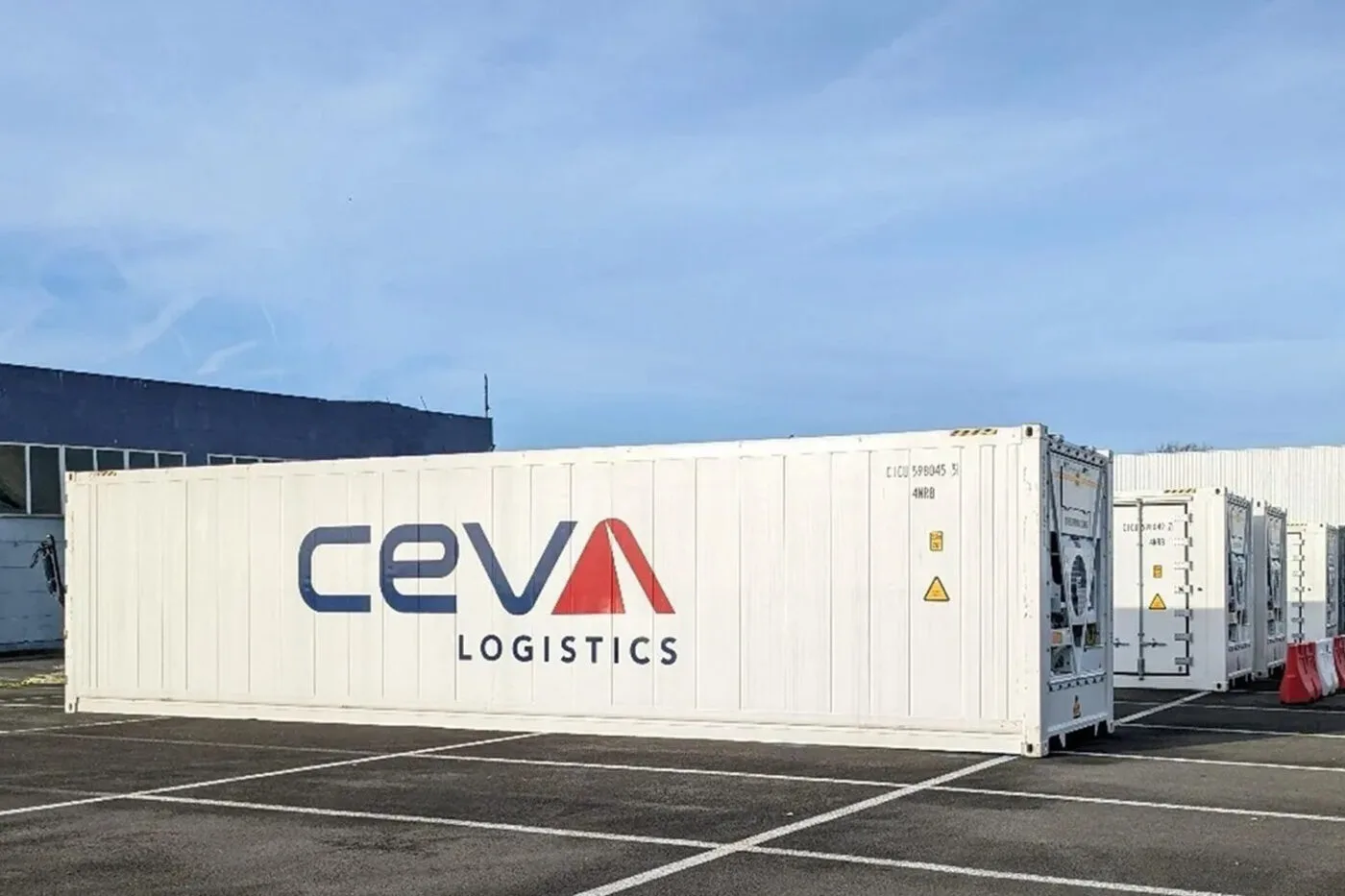
French logistics group Ceva Logistics has introduced a new maritime transport solution for used lithium-ion batteries, as it expands its role in reverse logistics for electric vehicle components across Europe.
The service, which will initially operate on shipping routes of CMA CGM, is designed to move end-of-life batteries from island regions to continental Europe. Ceva Logistics is part of the CMA CGM Group, aligning the initiative with its broader logistics network.
The system uses five specially adapted containers with a combined capacity of 30 tonnes. Batteries are first placed in secure vaults and then loaded into customised shipping containers to mitigate safety risks during transport.
“Each shipping container can hold four vaults, for a transport capacity of up to six tons each,” Ceva Logistics said. “This custom solution aims to neutralise any risks associated with the potential instability of used lithium-ion batteries during transit.”
The company said the new service complements its existing reverse logistics operations, which include collection, storage, diagnosis and dismantling of batteries at dedicated facilities.
Eric Dessupoiu said the initiative reflects growing demand for battery recycling solutions. “Lithium-ion battery recycling is a key issue for Europe, and we are committed to making the battery sector more circular,” he said. “We’ve leveraged our expertise as a logistics provider in the automotive sector with the launch of CEVA’s Reverse Logistics solution in 2025, and now we’re strengthening the offering with a dedicated maritime transport solution to support the disposition and transport of batteries for recycling purposes.”
Ceva Logistics is investing in a broader network of battery logistics centres across Europe, with up to 15 sites planned in ten countries, including Germany. These facilities are intended to handle storage, assessment and dismantling of used batteries before they are sent for recycling or second-life applications.
“The network is being deployed across Europe, before the transfer of batteries to a recycling or second-life centre,” the company said, adding that it manages collection from dealerships, traders and end-of-life vehicle centres using ADR-compliant transport systems.
The company’s expanded offering now includes “collection, handling, transport (by sea and/or road), temporary storage, diagnosis, and dismantling in one of its Battery Logistics Centers.”
The move comes as logistics providers prepare for increasing volumes of end-of-life EV batteries. DHL, for example, opened a Centre of Excellence for electromobility near Milan in 2024 as part of its own expansion in the sector.