
CALB has started mass production of aviation-grade batteries for Aridge, marking a step toward the planned commercial rollout of electric flying vehicles.
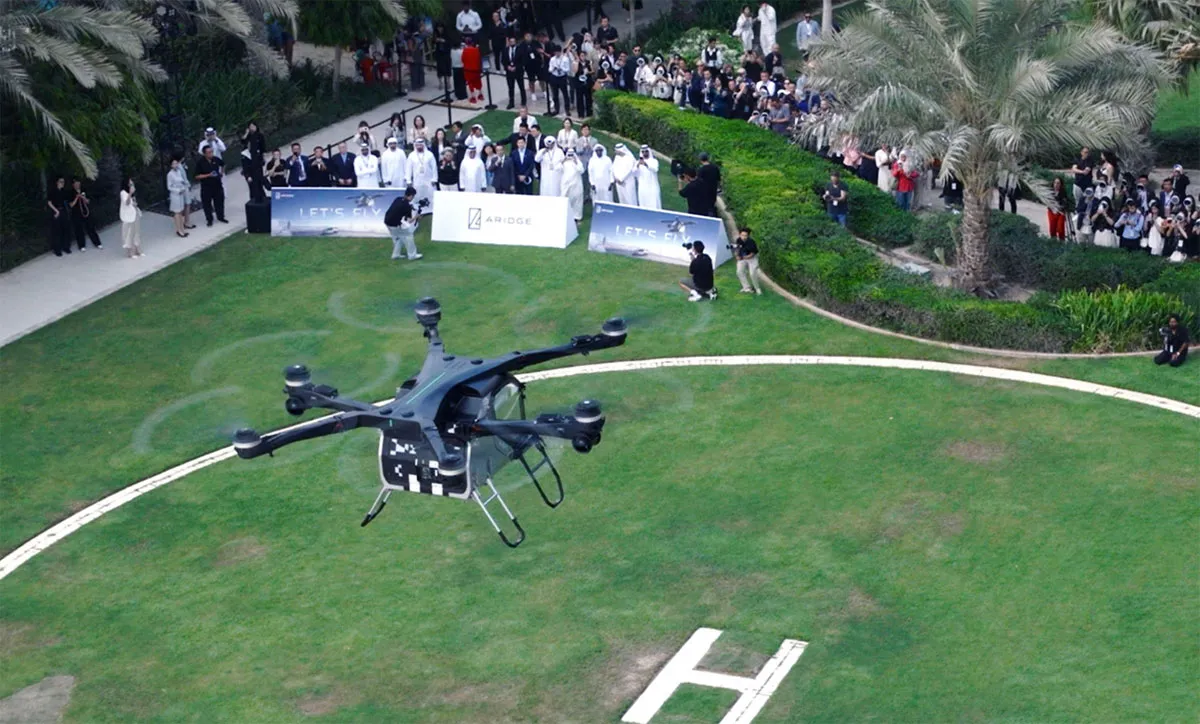
The company said the batteries have rolled off the production line at its Chengdu facility and will serve as the core power system for Aridge’s modular flying car, known as the Land Aircraft Carrier and codenamed X3-F.
The development supports the ambitions of Xpeng, which is backing Aridge and aims to begin mass production of its electric vertical takeoff and landing (eVTOL) vehicles later this year.
According to CALB, the aviation batteries use high-silicon and high-nickel cells with an energy density of up to 360 Wh/kg and a maximum discharge rate of 25C, designed to meet the demanding performance requirements of aerial mobility.
The company said the batteries have undergone extensive safety validation, including a 15.2-meter drop test in which they did not catch fire, explode, or leak. The thermal safety design is said to meet aviation airworthiness standards, with more than 100,000 cells verified to comply with both automotive and aviation certification requirements.
Aridge, established in 2020 and majority-owned by Xpeng and its chairman He Xiaopeng, is advancing plans to commercialize its modular flying car. The company has previously indicated that it aims to begin mass production and deliveries in 2026, with a target price below 2 million yuan ($290,000).
The move comes as battery manufacturers seek to expand beyond traditional electric vehicle applications into emerging sectors such as advanced air mobility. CALB ranked third in China’s power battery installations in February, with a market share of 6.0%, according to industry data.
The launch of aviation battery production highlights increasing competition in next-generation mobility technologies, as companies explore new use cases for high-performance battery systems.