
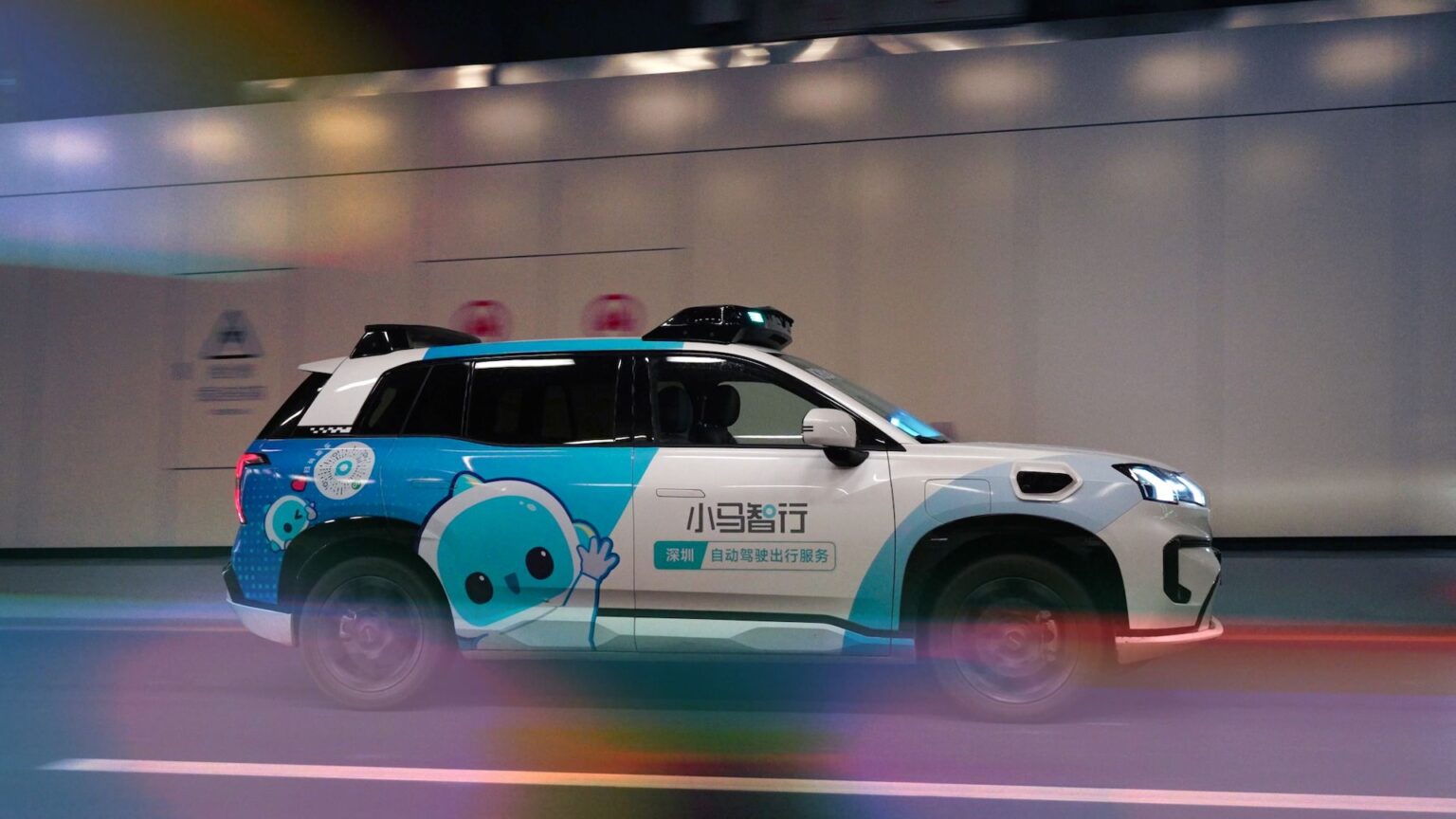
Ministry of Industry and Information Technology (MIIT) has released a draft of new national safety requirements for highly automated and autonomous driving systems, targeting vehicles operating at SAE Level 3 and Level 4 automation. The rules are scheduled to take effect on July 1, 2027, pending final approval.
The proposed regulation would replace earlier 2024 guidelines, which were voluntary for car manufacturers and robotaxi operators. Under the new framework, compliance would become mandatory, with companies able to submit feedback on the draft until April.
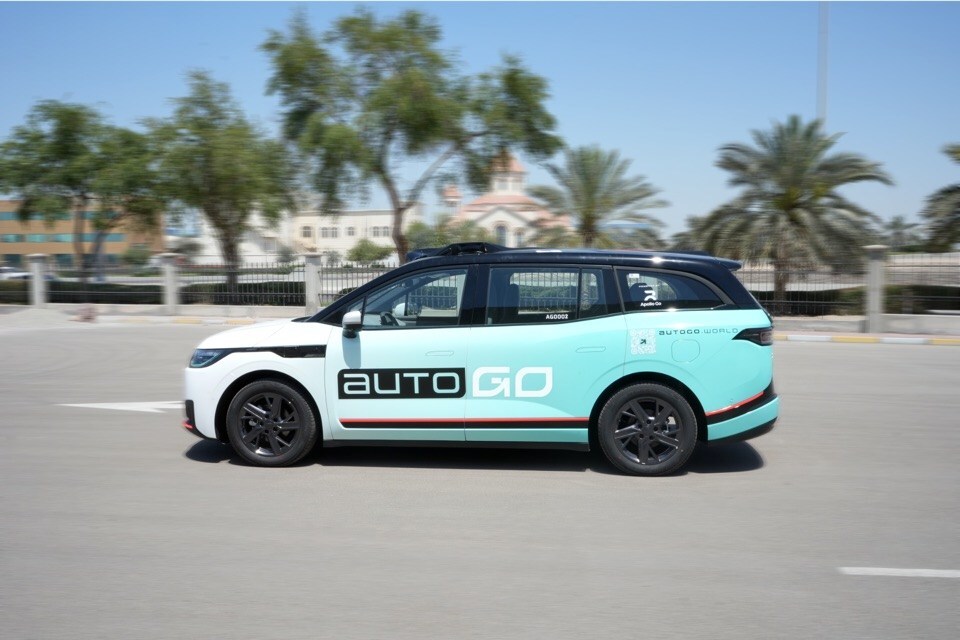
At the core of the new standard is the principle that a Level 3 or Level 4 vehicle must provide at least the same level of safety as a qualified and attentive human driver and must not pose unacceptable risks to occupants or other road users.
The draft places particular emphasis on Level 3 systems, often described as “hands-off, eyes-off,” where the vehicle can manage driving in defined scenarios but the human driver must be able to resume control when prompted. Examples of such systems include Drive Pilot from Mercedes-Benz and Personal Pilot 3 from BMW, although both services are currently on hold in China.
Under the proposed rules, Level 3 vehicles must incorporate strict monitoring of a driver’s takeover capability. Sensors and biometric systems would be required to ensure the driver is alert and present in the vehicle. Before first-time activation, manufacturers would also need to demonstrate that users have received appropriate training or instruction.
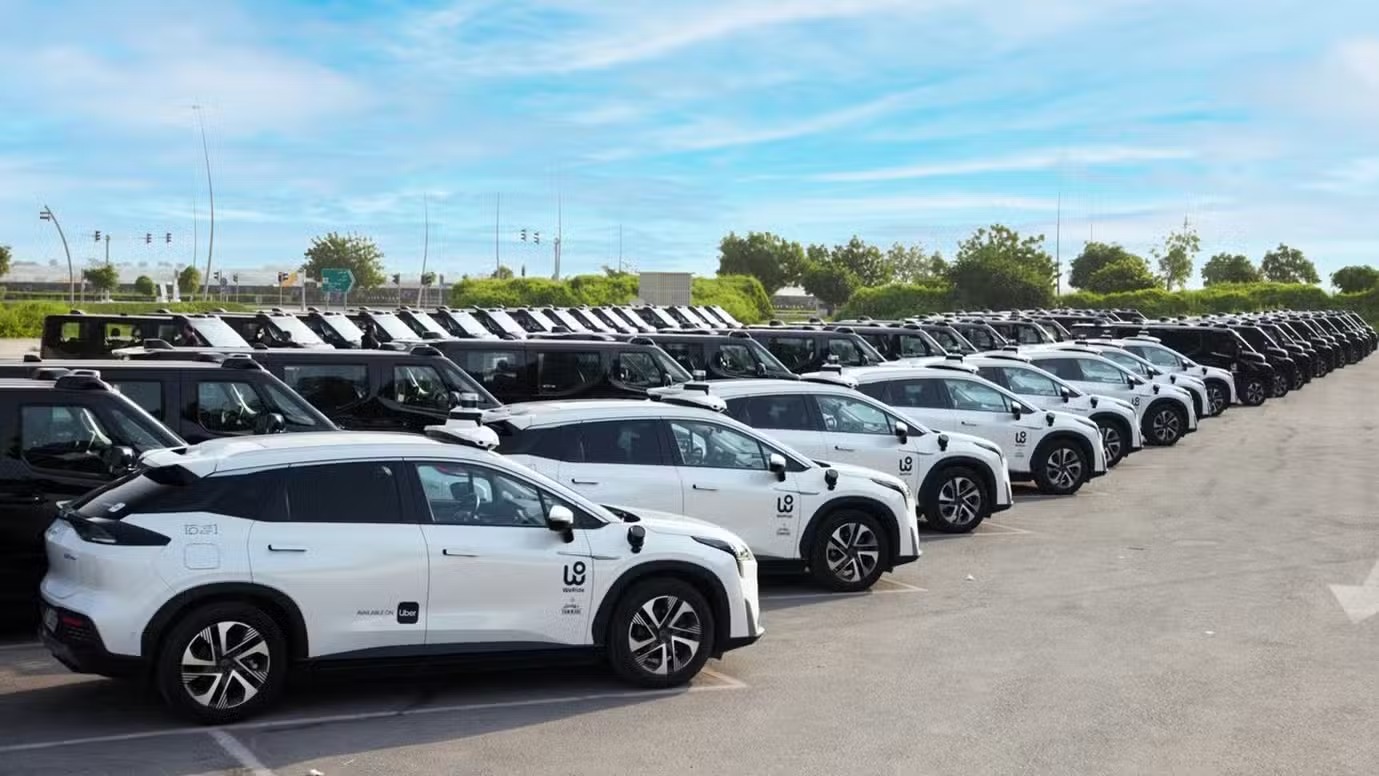
If a driver fails to respond within the required timeframe or is physically unable to take control, the vehicle must initiate a Minimal Risk Manoeuvre (MRM). This could include changing lanes and bringing the vehicle to a safe stop without obstructing traffic, while activating hazard warning lights and issuing acoustic, visual or haptic alerts until a safe state is reached.
For Level 4 systems, which are designed to operate without human intervention, the draft specifies that remote assistance—such as from a robotaxi control center—is permitted. Level 4 vehicles must also yield to police, fire and other emergency services, and must be capable of communication with law enforcement authorities.
The regulations would further require the installation of a Data Storage System for Automated Driving (DSSAD), similar in function to an aircraft black box. The system would record relevant data before and during incidents to support accident investigation and regulatory oversight.
In December 2025, China granted its first Level 3 approvals to the Deepal SL03 from the Changan Group and the Arcfox Alpha S from the BAIC Group, allowing test operations in designated areas of Beijing and Chongqing. Meanwhile, Level 4 robotaxi services are already operating in major cities including Beijing, Shanghai, Shenzhen and Wuhan, with providers such as Baidu’s Apollo Go, Pony.ai and WeRide active in the market.