
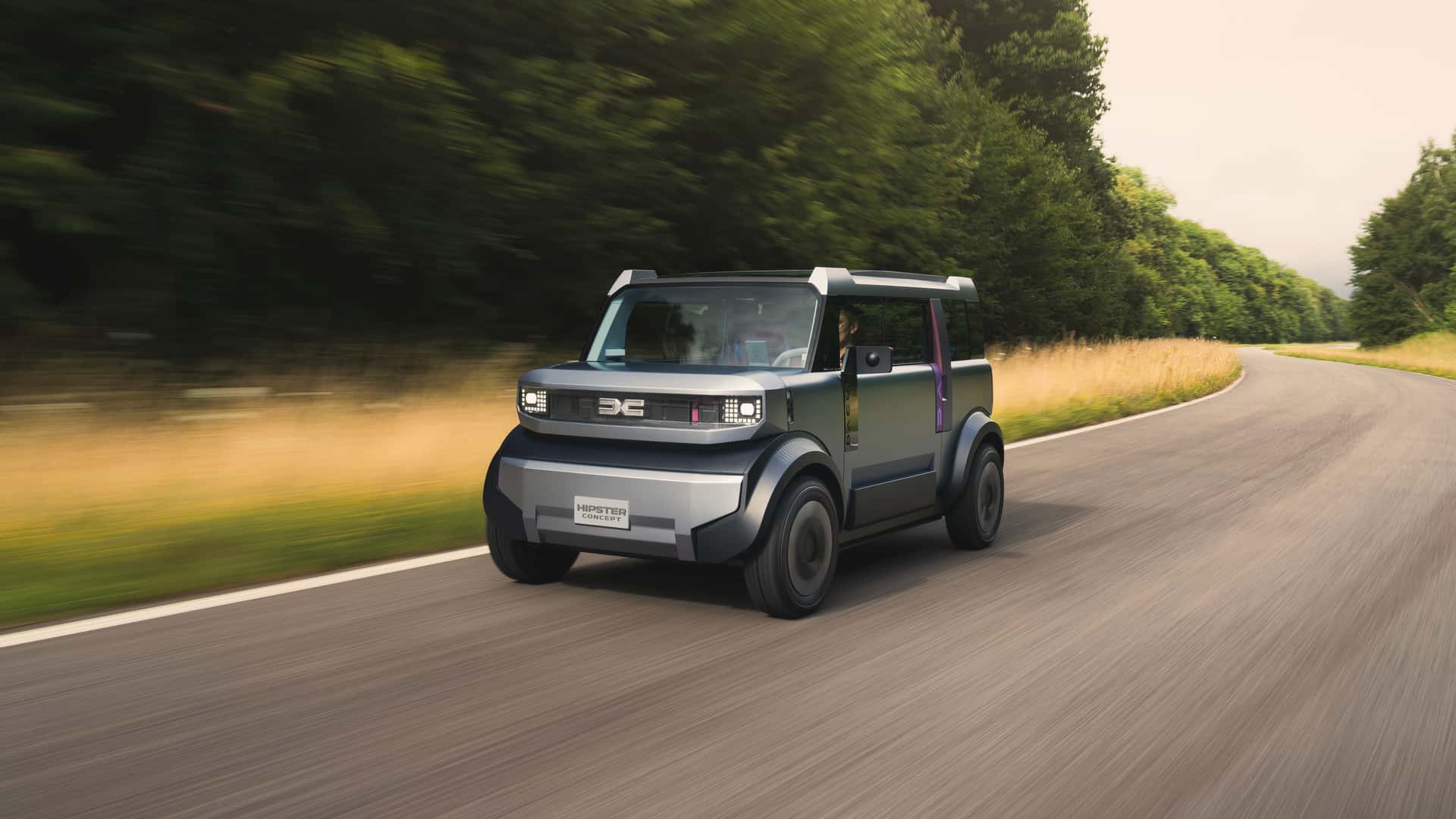
Dacia is likely to manufacture its ultra-compact Hipster electric car in China by the end of 2027, according to a French media report, as the Renault-controlled brand seeks to expand its portfolio of low-cost battery vehicles.
French outlet Auto Infos reported that while final approval for series production has not yet been granted, a decision is expected soon. Dacia CEO Katrin Adt indicated strong internal support for the project, saying, “We are highly motivated; now we just need to press the start button.” She added that “once the decision is made, development will take just eighteen months.”
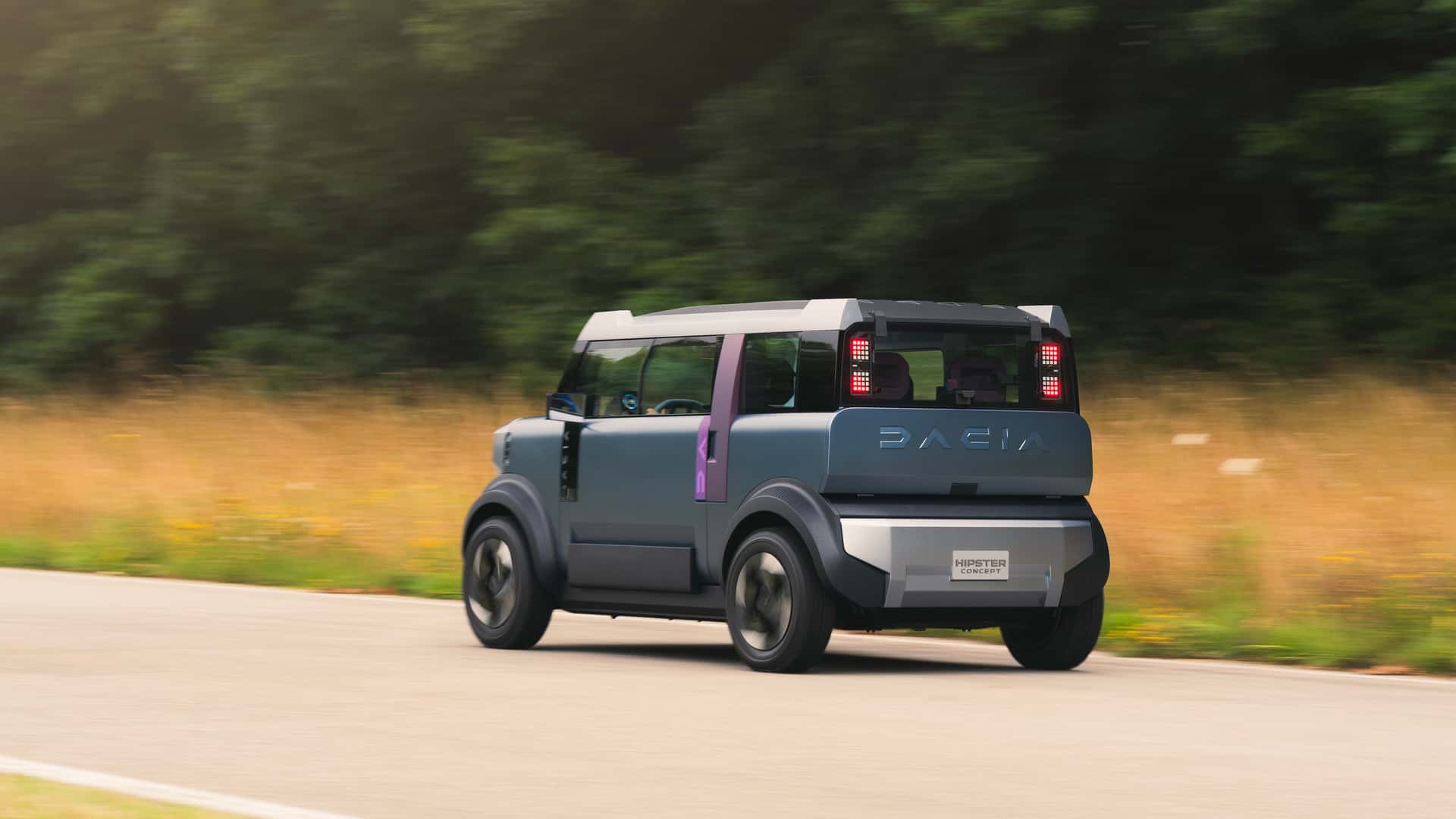
If production were to begin in late 2027, the go-ahead would likely need to be issued by the second quarter of 2026, according to the report. The Hipster concept was unveiled in October 2025 as an ultra-affordable urban electric vehicle positioned below existing models.
The production version is expected to be built at eGT New Energy Automotive, a joint venture between Renault, Nissan and China’s Dongfeng. The company previously produced the Renault K-ZE City in China, which was marketed in Europe as the Dacia Spring. The Hipster is expected to be priced below 15,000 euros, potentially making it Dacia’s most affordable electric offering.
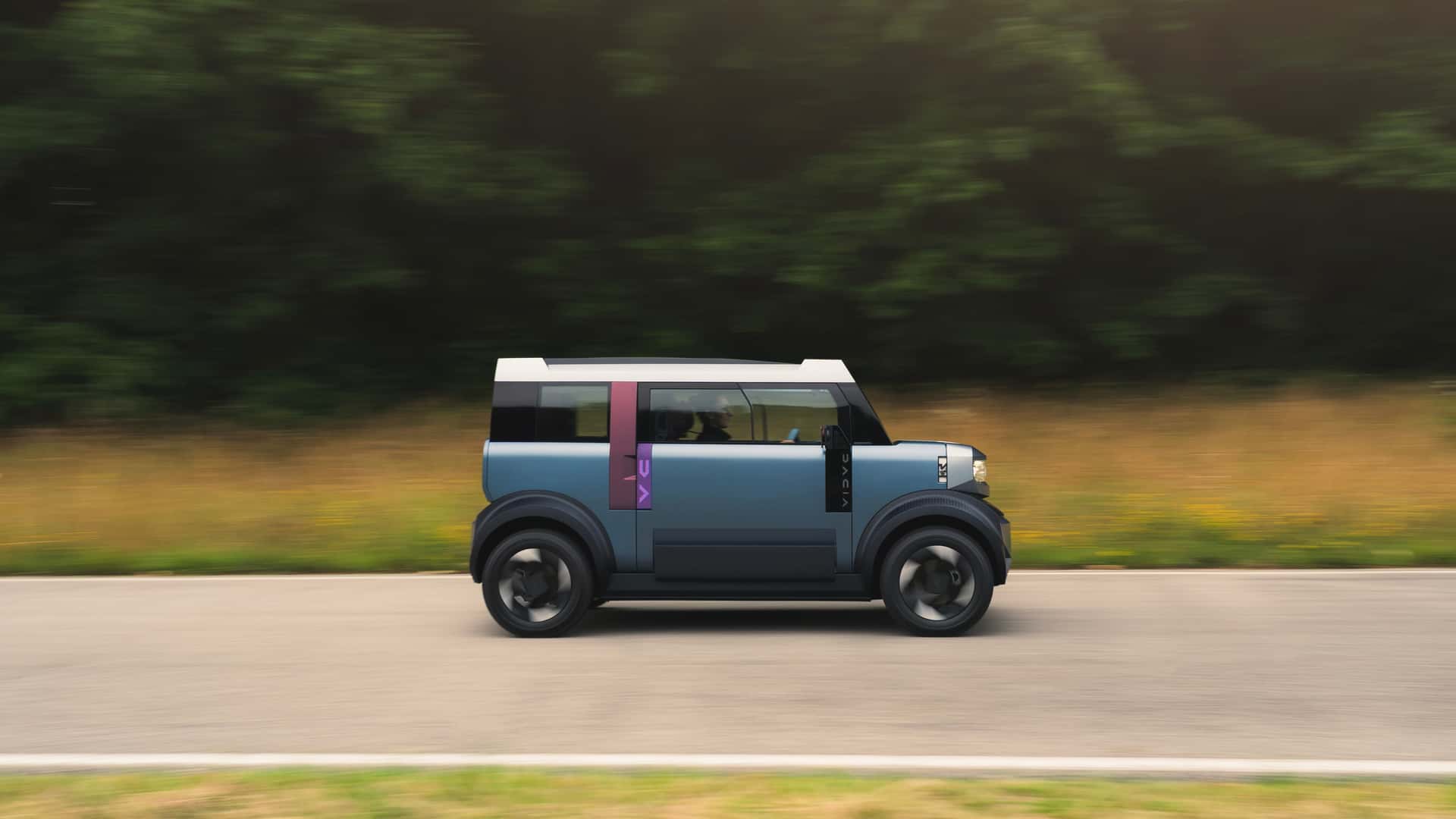
Renault CEO François Provost could announce the project during the presentation of the group’s strategy plan on March 10, the report said. Renault recently hinted at a new A-segment electric model for the Dacia brand during its 2025 financial results presentation, although that vehicle is expected to be a Dacia version of the Renault Twingo E-Tech rather than the Hipster.
While the Twingo-based model is anticipated to start at around 18,000 euros, the Hipster would target a lower price bracket and may be classified as an L7e light quadricycle rather than a full passenger car. Such classification could limit top speed to about 90 km/h but may also exempt the vehicle from additional European Union tariffs applied to China-built passenger EVs.
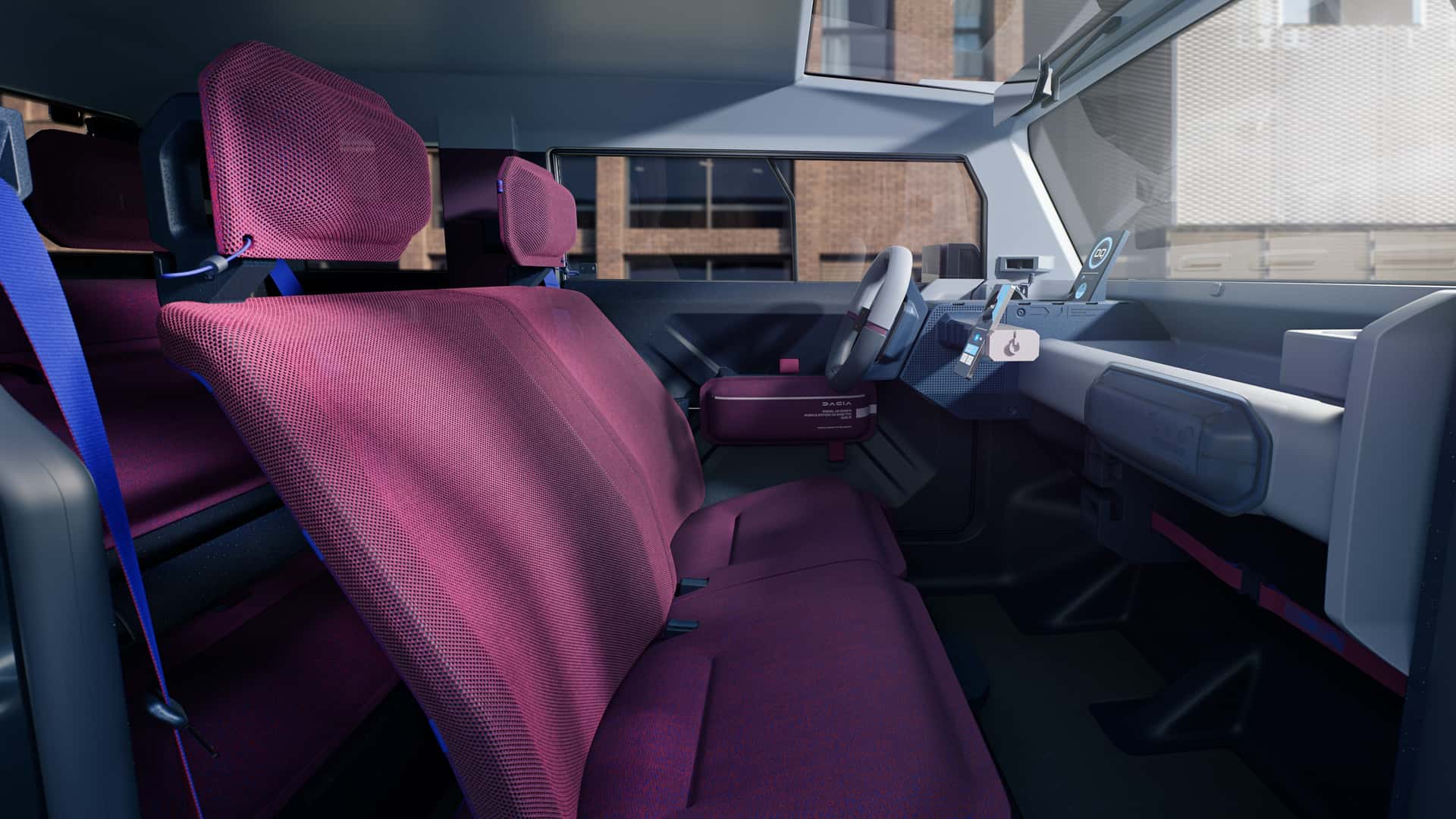
Technical details of the Hipster remain unclear, including battery specifications and range. However, if approved, the model would expand Dacia’s strategy of offering low-cost electric mobility, particularly for urban markets.