
Canada is exploring a deeper automotive cooperation agreement with South Korea that could pave the way for more vehicle and electric vehicle component production on Canadian soil, just weeks after Ottawa struck a deal with China to sharply cut tariffs on EV imports.
The two countries, which have had a free trade agreement in place since 2015, are now discussing a new memorandum of understanding (MoU) aimed at expanding industrial collaboration, particularly in the automotive and battery sectors. The talks come as both countries seek to diversify trade ties amid uncertainty over U.S. trade policy.
See also: Canada–China EV Tariff Deal Seen Benefiting Tesla, Volvo and BYD
Canada’s Industry Minister Mélanie Joly said the proposed cooperation could strengthen domestic manufacturing capacity. “This agreement will grow our auto sector, create good jobs and reinforce Canada’s position as a global leader in future-ready vehicle manufacturing,” Joly said in a statement on Thursday.
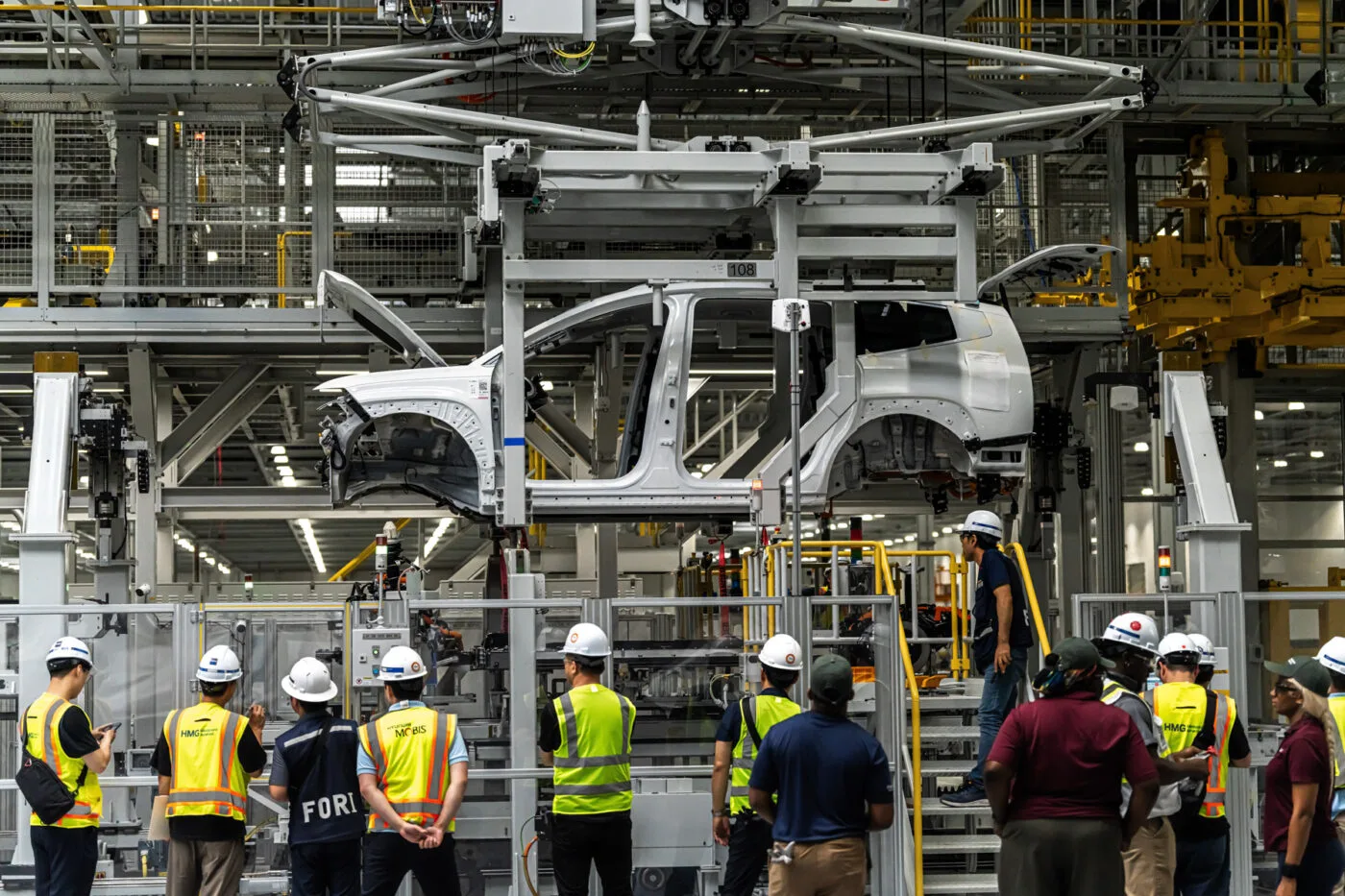
The focus is expected to be on expanding South Korean automakers’ footprint in Canada, potentially including local vehicle assembly as well as increased production of EV components and batteries. South Korean brands, including Hyundai, already account for a significant share of the Canadian market, with vehicles from the country making up about 12% of all cars sold in Canada in 2024, or 228,257 units.
See also: Ontario Premier Calls For Boycott Of Chinese EVs After Canada Slashes Import Tariffs
Trade discussions are unfolding alongside defence procurement talks. According to CTV News, South Korea is among the bidders seeking to replace Canada’s submarine fleet, a programme that could be worth up to C$100 billion ($74 billion) over 30 to 40 years. Defence contractor Hanwha has already signed several memoranda of understanding with Canadian firms, including a C$275 million commitment toward a new structural steel beam mill in Ontario.
Industry representatives say the overlap between defence spending and automotive manufacturing could strengthen the case for new EV investments. “Today the business case is there to build a plant here in Canada, perhaps making electric vehicles… and to build where they sell,” said Flavio Volpe, president of the Automotive Parts Manufacturers’ Association. “Canada is interested in buying submarines and there are two healthy bidders. And both of those healthy bidders have automakers that sell a lot of cars here and sell batteries here.”
See also: EU and India Agree Trade Deal Cutting Auto Tariffs, Opening Market to European Carmakers
The Canadian government has said any expanded cooperation with South Korea should support domestic battery manufacturing and processing, including refining and recycling of Canadian critical minerals.
While officials acknowledge that neither South Korea nor China can replace the United States as Canada’s primary trading partner, Ottawa views broader partnerships as a way to strengthen supply chains and reduce exposure to geopolitical risk.