
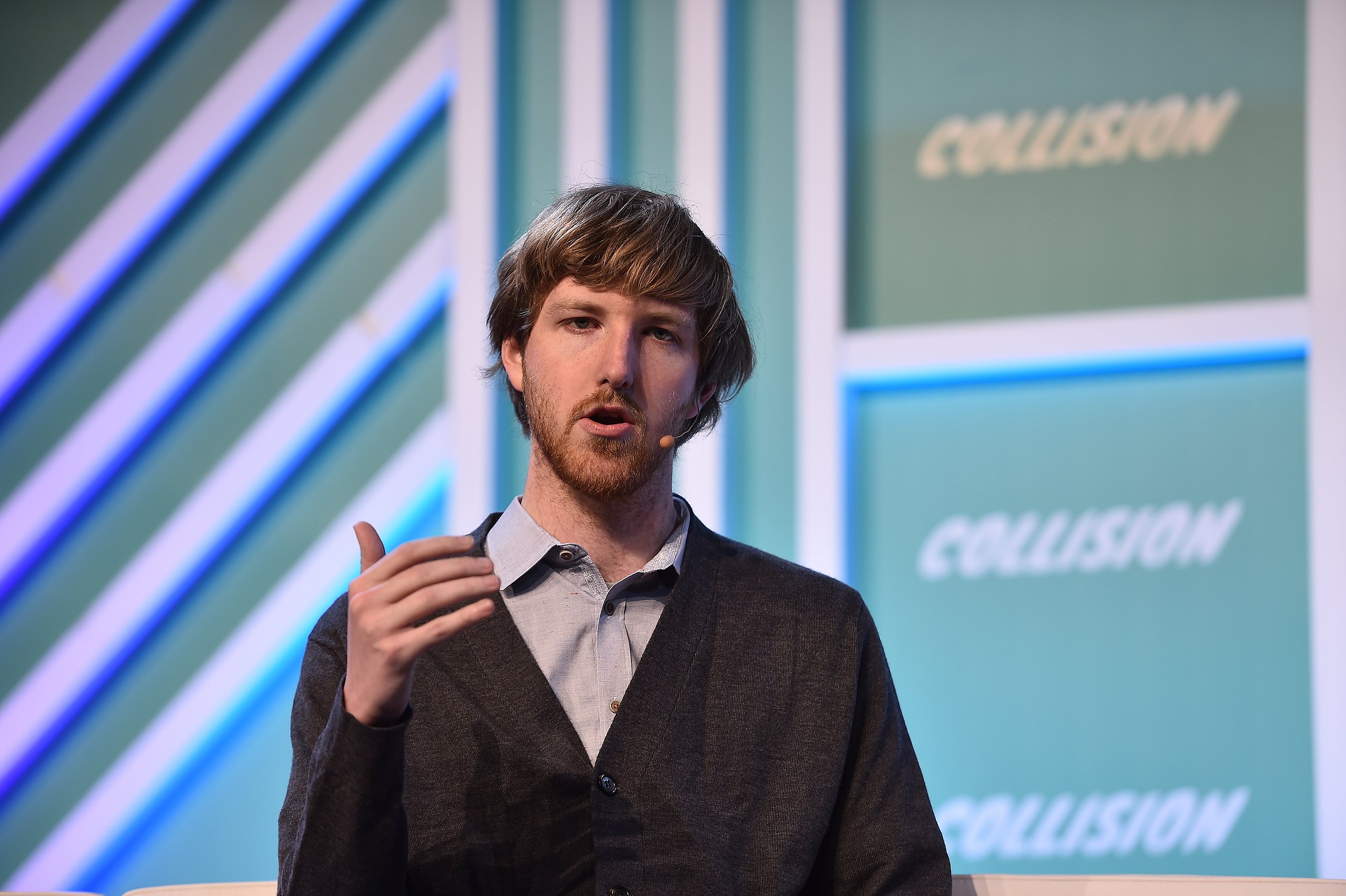
Luminar founder and former chief executive Austin Russell has agreed to accept an electronic subpoena seeking information stored on his mobile phone, according to a court filing on Tuesday in the company’s ongoing bankruptcy proceedings.
Under the agreement, Russell has seven days to file a motion to quash or formally object to the subpoena. If he does not do so, he will have 14 days to comply, the filing said.
The development follows a dispute earlier this month in which Luminar’s lawyers accused Russell of evading service of the subpoena by turning away process servers at the gate of his Florida residence. Russell had said he was unwilling to hand over his phone without assurances that his personal information would be protected. The latest filing indicates the two sides have now agreed on procedures governing how such information would be handled.
Luminar filed for Chapter 11 bankruptcy protection in December after losing major customer contracts, including with Volvo and Mercedes-Benz, and facing intensified competition from Chinese lidar manufacturers.
As part of its restructuring, Luminar last week agreed to sell its lidar assets to Quantum Computing Inc. for $22 million. The company is also seeking to sell its semiconductor division to the same buyer for $110 million. Luminar has scheduled an auction later this month in an effort to attract higher bids.
Russell attempted to acquire Luminar in October, months after stepping down as chief executive amid an ethics inquiry but before the bankruptcy filing. Representatives for his new venture, Russell AI Labs, have said he remains interested in bidding for Luminar’s lidar assets, although no formal offer has been submitted.
Luminar has been seeking information from Russell since his resignation as it considers potential legal action. Russell has already turned over multiple computers but retained his phone, citing privacy concerns. The company initially said it was seeking two phones—one company-issued and one personal—but Russell has stated in court filings that he only used a single phone during his time at Luminar.