
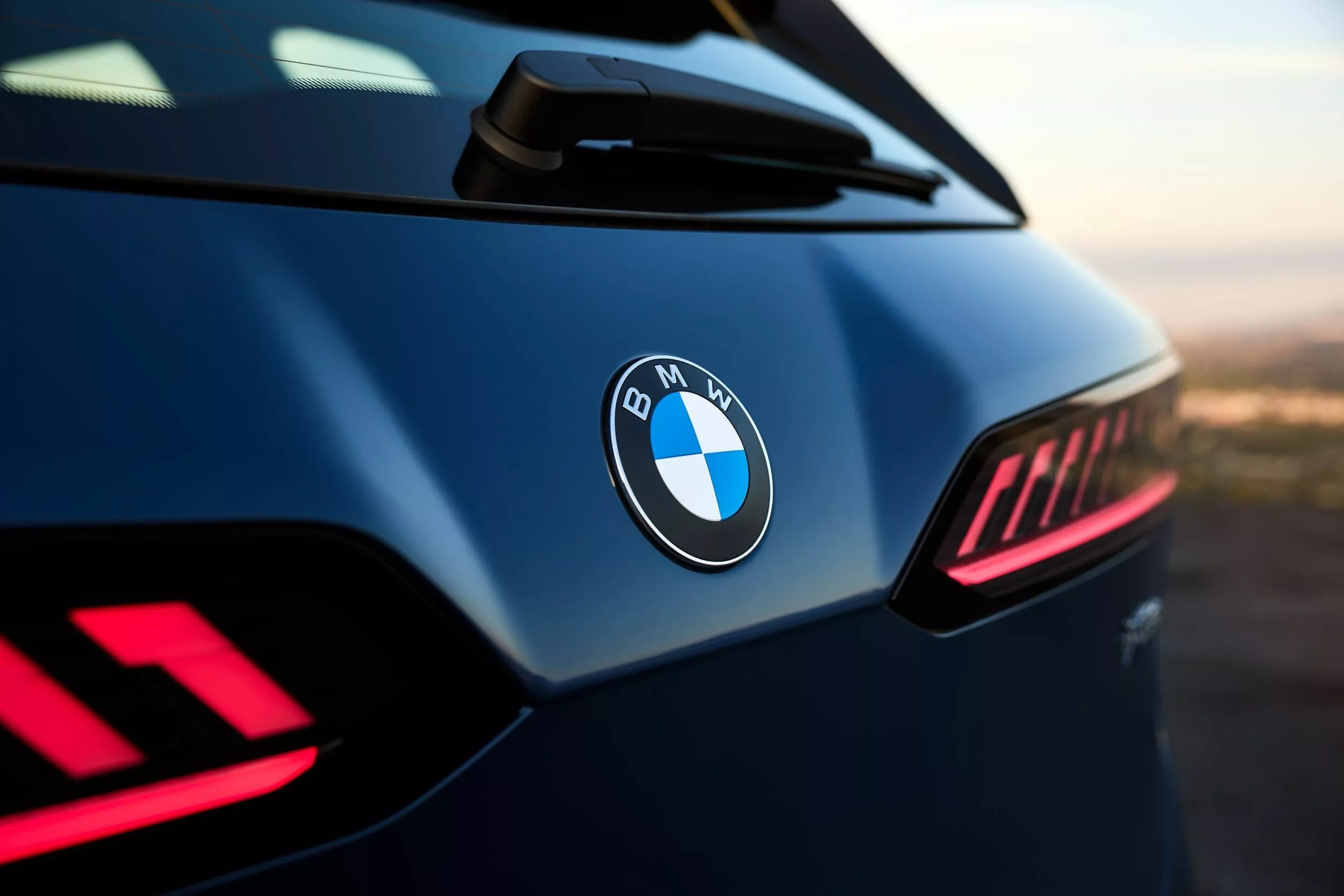
BMW has rolled out sweeping price cuts across 31 of its models in China, including sharp reductions on several electric vehicles, underscoring the growing pressure facing both foreign and domestic automakers in the world’s largest car market.
The most significant reduction in absolute terms applies to the BMW i7 M70L, the high-performance flagship of the all-electric 7-Series lineup. The dual-motor sedan, which produces 659 horsepower and 1,100 Nm of torque, has seen its list price reduced by 301,000 yuan, equivalent to about $42,000. The move brings the model closer to prevailing transaction prices in a market where discounts have become increasingly common.
See also: BMW’s Mini Launches 2026 Electric Cooper in China With Promotional Pricing
In percentage terms, the steepest cut was applied to the BMW iX1 eDrive25L, a long-wheelbase version of the compact electric SUV. BMW reduced the model’s price by about 24%, lowering its starting price to 228,000 yuan, or roughly $32,600.
BMW told Bloomberg that the adjustments are part of its “regular price management,” adding that final transaction prices are negotiated between dealers and customers. However, the timing of the cuts coincides with a period of softer demand. Data from the China Passenger Car Association show that November marked the second consecutive month of declining auto sales in China, prompting a wave of pricing adjustments across the industry.
See also: BMW Sees Path Back to Growth in China With Neue Klasse EV Series
Regulators have recently stepped in to curb excessive price competition, introducing measures that prohibit selling vehicles below production cost and banning dealer incentives that would push transaction prices under that threshold, Bloomberg reported. Industry observers say BMW’s latest moves largely formalise pricing that was already being achieved through dealer negotiations.
“The new prices aren’t any lower than typical dealer selling prices,” said Yale Zhang, managing director at consultancy Automotive Foresight, noting that the changes align official list prices more closely with market reality.
See also: BMW Weighs Range-Extender EV Options as It Targets China’s Premium Market
Further discounts may be on the horizon. With the Lunar New Year approaching in February, automakers are widely expected to launch additional incentives to stimulate early-year demand. Since the start of 2026, at least 14 car brands have already introduced some form of discount or promotional campaign, according to industry estimates.
Zhang said such measures are unlikely to be temporary. “Various kinds of promotional activities may ebb and flow in the market from time to time, but they are here to stay,” he said.
See also: BMW-GWM Joint Venture Spotlight Automotive Recalls Mini EVs in China Over Battery Risk
Chinese authorities are watching developments closely, concerned that prolonged discounting could fuel deflationary pressures, strain automotive supply chains and weigh on employment and wages. As competition intensifies, pricing strategies are becoming a central battleground for automakers seeking to defend market share in China’s increasingly crowded auto sector.