
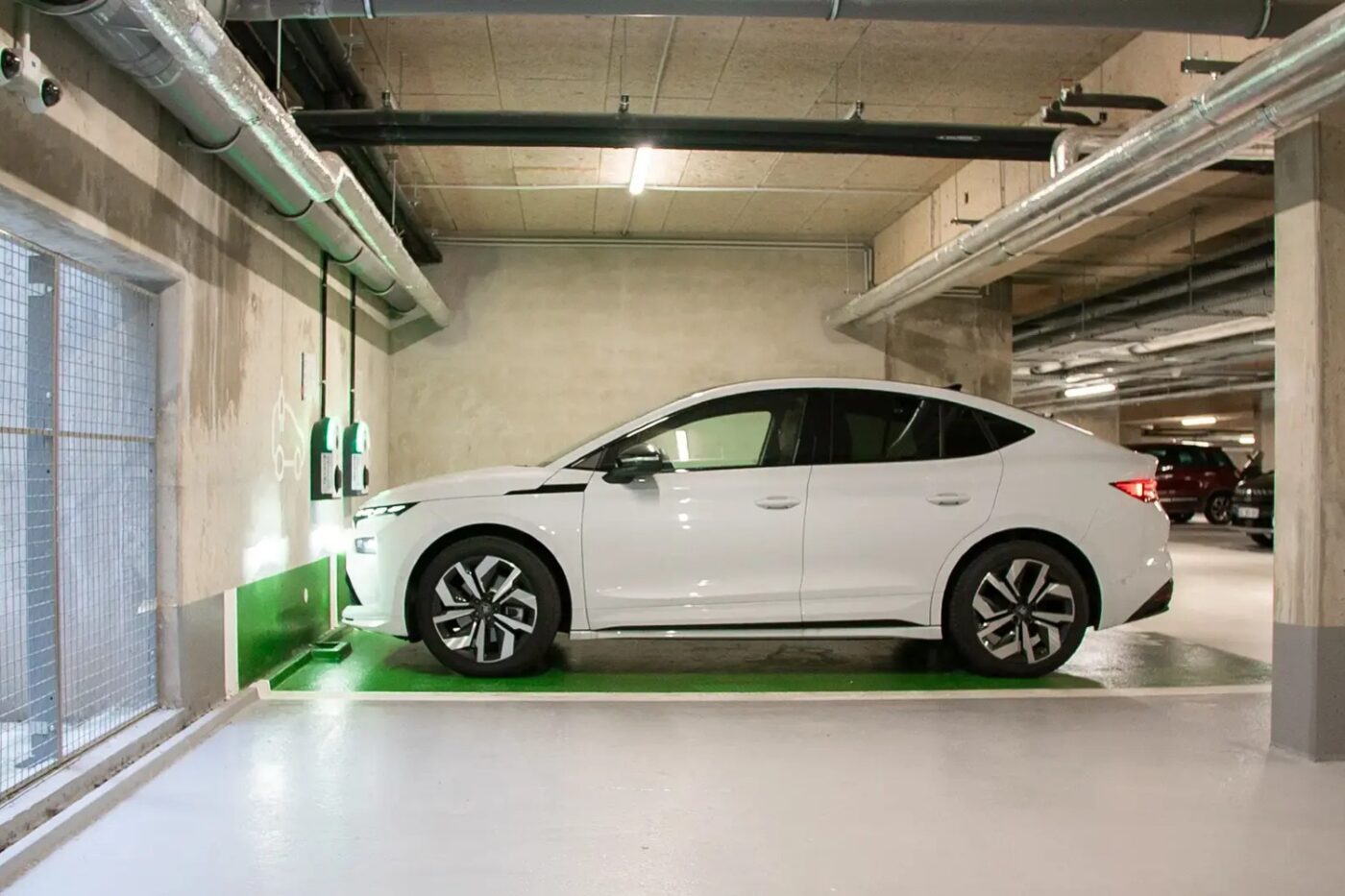
The French national railway company, SNCF, is undertaking a major initiative to install a total of 5,000 electric vehicle (EV) charging points across its various sites in France, aiming to facilitate the electrification of its service and pool vehicle fleet. SNCF has formalized a strategic cooperation agreement with technology partners Virta and Eiffage Énergie Systèmes to execute the rollout.
The partnership holds Eiffage and Virta responsible for the installation, operation, and maintenance of the charging infrastructure for a minimum of six years. The deployment has been underway for several months. To date, 105 charging points have been commissioned at SNCF’s administrative buildings and technical centers throughout France, with an additional 34 currently under construction.
Brendan Shepard, Sales Team Lead at Virta, confirmed the tailor-made nature of the service. “We designed a tailor-made solution with Eiffage Énergie Systèmes to offer a turnkey package including design, configuration, supply, installation, operation and maintenance of the charge points as well as management and support for end-customers,” said Shepard.
The project, managed by SNCF subsidiary SNCF Immobilier, primarily utilizes Alfen Double charger models. The charging infrastructure is also being integrated with existing stations, such as 20 Schneider units previously installed at a site in Saint-Denis. The launch contract includes fleet management, allowing drivers of company vehicles to charge for free. At selected sites, including those in north-western France and the Greater Paris area, SNCF employees can also charge their private vehicles at a discounted rate.
SNCF’s charging network expansion is designed to meet the requirements of France’s Mobility Orientation Law (Loi d’orientation des mobilités, or ‘LOM’), which promotes the expansion of EV infrastructure. The LOM Law requires companies with more than 20 parking spaces to equip five percent of those spaces with charging stations by January 1, 2025. Furthermore, the law mandates that companies with a fleet of over 100 vehicles transition 50% of their fleet to low-emission vehicles by 2030.