
The UK government will reclassify electric vans weighing between 3.5 and 4.25 tonnes, removing them from the heavy goods vehicle (HGV) category in a move aimed at lowering regulatory hurdles for fleet operators. The Department for Transport (DfT) said the change will place zero-emission vans into the Class 7 MOT regime, aligning them with internal combustion engine (ICE) vans of similar size.
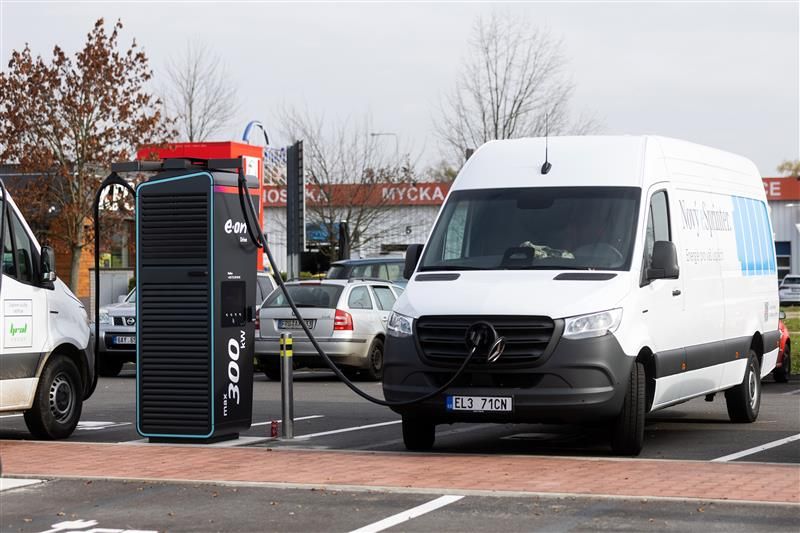
The decision addresses what industry groups have described as a longstanding regulatory loophole. Because larger battery packs increase vehicle weight, many electric vans—such as the Mercedes-Benz eSprinter and Ford E-Transit—have been treated like full HGVs despite offering payloads and dimensions comparable to 3.5-tonne diesel models. As a result, operators have faced stricter requirements on road-worthiness tests, driver hours and speed-limiting equipment.
Industry feedback submitted during a public consultation highlighted the issue as a significant barrier to electrification. One respondent said, “Some operators of fleets are reluctant to switch to zero-emission vans because they are subjected to the HGV testing scheme.” Another noted the “disproportionate financial and operational burdens” created by the rules.
Under the new classification, zero-emission vans will require an MOT after three years instead of one—reducing early operating costs—and will then follow standard annual testing cycles. The DfT has also proposed removing these vehicles from HGV driver-hours and tachograph rules and is reviewing whether speed-limiter requirements should continue to apply.
The changes are expected to make electric vans more attractive to logistics operators, particularly those managing mixed fleets. Toby Poston, chief executive of the BVRLA, welcomed the announcement. “Policymakers have listened to the fleet sector,” he said. “Operators of large vans are being given the chance to access cleaner, greener models, no longer hamstrung by illogical operational loopholes.”