
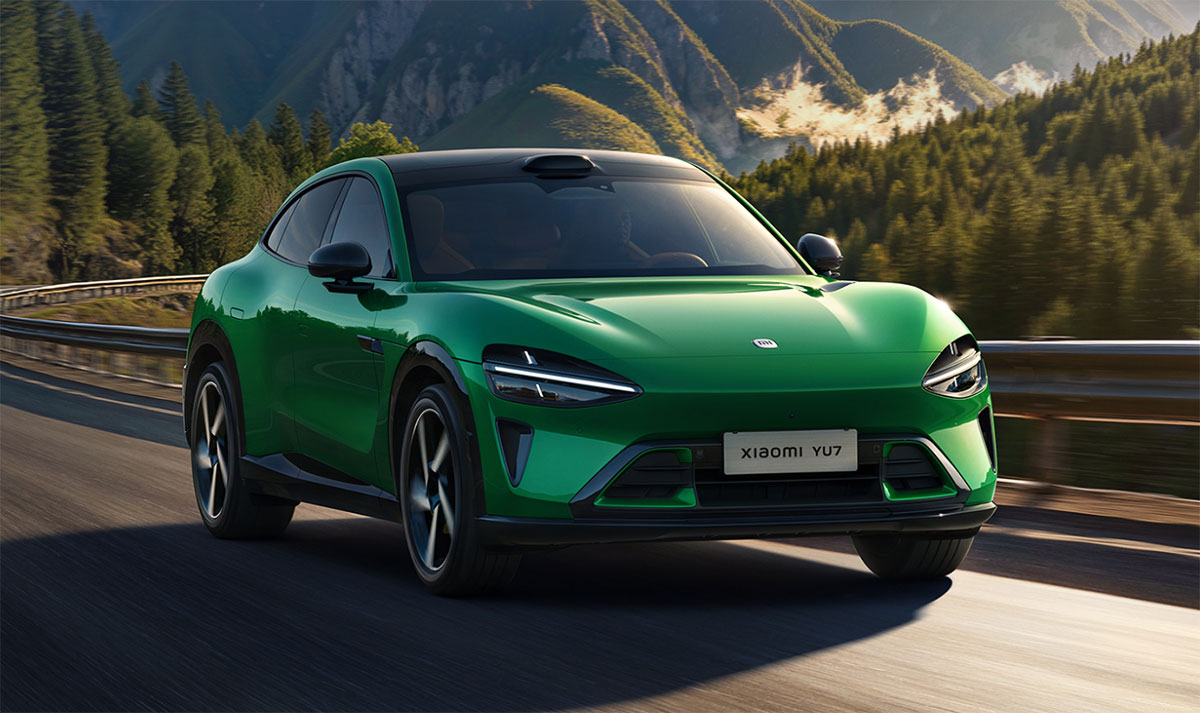
Xiaomi said on Tuesday its innovative business division, which includes electric vehicles and artificial intelligence, reported its first quarterly profit as continued strength in EV demand lifted overall revenue.
The segment posted net income of RMB 700 million ($98.4 million) in the third quarter, according to unaudited financial results released by the company.
Revenue from innovative businesses reached a record RMB 29 billion, with EVs contributing RMB 28.3 billion, or nearly 98 percent. The EV unit’s revenue grew 197.89 percent from a year earlier and rose 37.38 percent from the previous quarter.
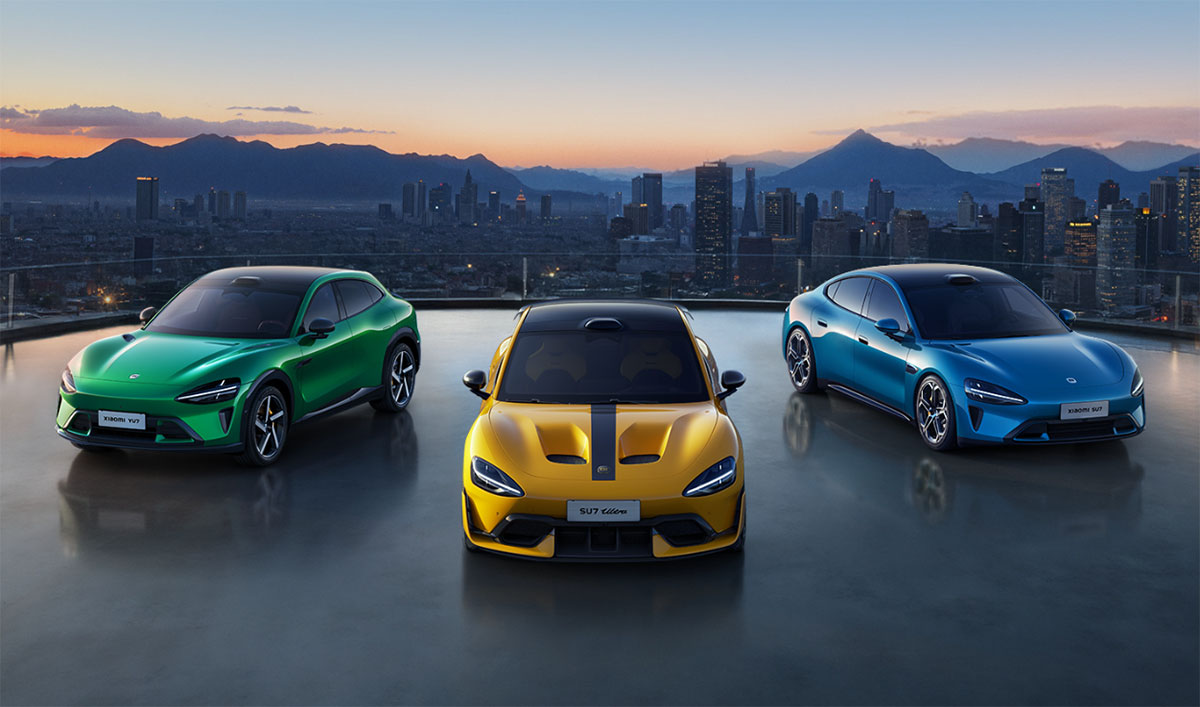
Xiaomi delivered 108,796 vehicles in the third quarter, up 173.43 percent year-on-year and 32.59 percent quarter-on-quarter. The gross margin for innovative businesses, including EVs and AI, increased to 25.50 percent from 17.10 percent a year earlier, though it remained slightly below the previous quarter’s 26.40 percent.
Xiaomi’s EV operations continued to expand, with 402 auto sales outlets across 119 Chinese cities and 209 service centers in 125 cities as of September 30. In October, Xiaomi EV delivered 48,654 vehicles, marking the second straight month with more than 40,000 units. The company said it expects to meet its annual delivery target of 350,000 vehicles, having reached 315,376 units between January and October.
The company is also preparing new technology launches. Xiaomi EV plans to unveil an upgraded version of its driver-assistance system at the 2025 Guangzhou auto show, following a major software update rolled out in July.
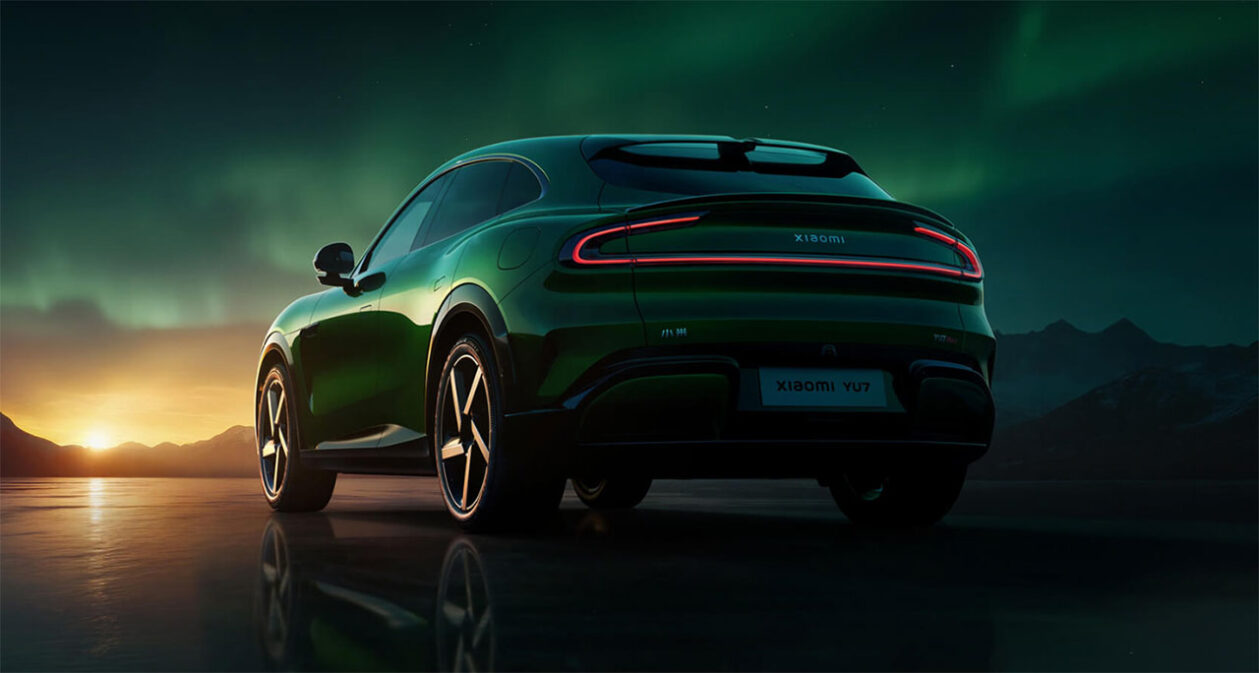
Analysts at Goldman Sachs said reduced wait times for the SU7 sedan reflect improvements in production output at Xiaomi’s EV facility. They noted that shorter delivery times for the SU7 Pro and Max variants align with expectations that recent tax subsidies indicate confidence in the company’s manufacturing ramp-up.
In late October, Xiaomi EV created a new Architecture Department to define the technology framework for its next generation of smart electric vehicles. The unit consolidates several research and development leaders and reports directly to Lei Jun, Xiaomi’s founder and chief executive.

According to internal adjustments, Cui Qiang, previously head of vehicle R&D, joined the new department, while Wang Zhensuo, formerly leading the powertrain division, has taken over Cui’s former responsibilities.